
Crepey skin can often be improved with the right treatments. Consider contacting us today to learn more about crepey skin.
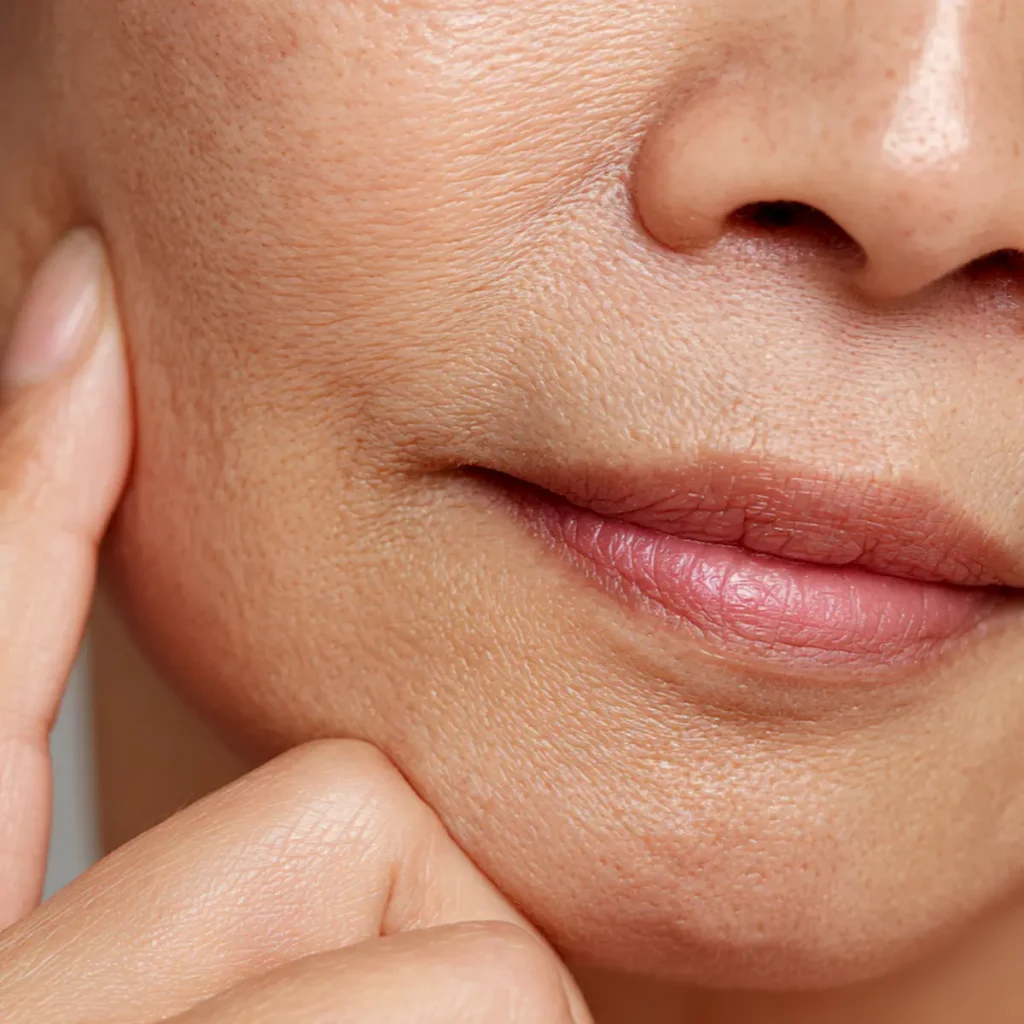
Crepey skin, that thin, finely wrinkled texture that resembles crepe paper, is one of the most common concerns patients bring to our Troy, MO practice. It often shows up on the neck, chest, upper arms, under the eyes, and above the knees. The honest answer to whether it can be reversed is: partially, yes. While no treatment can make skin brand new, several approaches may meaningfully improve its thickness, firmness, and texture, and a few popular remedies are mostly a waste of money.
What Causes Crepey Skin in the First Place
Crepey skin develops when the skin loses two of its key structural proteins: collagen, which gives skin its firmness, and elastin, which lets it snap back into place. Aging naturally slows production of both, but sun exposure is the biggest accelerator. Ultraviolet light breaks down collagen and elastin faster than the body can replace them, which is why crepiness often appears first on sun-exposed areas like the chest and forearms. Other contributors include significant weight loss, genetics, smoking, and chronic dryness, which make the texture look more pronounced.
Understanding the cause matters because it explains what treatment needs to accomplish: rebuilding collagen and elastin beneath the surface, not just moisturizing the surface.
What Works: Treatments That Rebuild the Skin
The most effective options for crepey skin share one thing. They trigger the skin’s own repair response, prompting it to produce new collagen over weeks to months.
- Microneedling uses fine needles to create controlled micro-injuries that stimulate collagen production. It can help improve texture and firmness over a series of sessions, particularly on the face and neck.
- Radiofrequency microneedling combines microneedling with heat energy delivered into the deeper layers of the skin, which may produce more noticeable tightening for skin with moderate laxity.
- Fractional laser resurfacing treats a fraction of the skin’s surface at a time, encouraging new collagen while keeping downtime manageable. It is often a good fit for crepey texture on the face, neck, and chest.
- Chemical peels can help improve the fine, papery surface texture and uneven tone that often accompany crepey skin, depending on the peel’s depth.
- In some cases, dermal fillers may be used to restore volume in areas where thinning skin and volume loss occur together, such as the backs of the hands or under the eyes.
None of these produces overnight change. Collagen remodeling takes time, results vary from person to person, and most patients need a series of treatments plus maintenance. A consultation is required to determine which option suits your skin, since the right choice depends on the area being treated, the degree of laxity, and your skin type.
What Helps at Home
Home care will not rebuild lost collagen the way in-office treatments can, but it plays a real supporting role. Prescription-strength retinoids (and over-the-counter retinol) have solid evidence for gradually improving skin thickness and texture with consistent use over months. Daily broad-spectrum sunscreen is arguably the single most important step, since it protects whatever collagen you have left and any new collagen a treatment produces. Rich moisturizers containing ingredients like hyaluronic acid, glycerin, or ceramides can temporarily plump the surface and soften the crepey appearance, even though the effect is cosmetic rather than structural.
What Doesn’t Work
A few things are worth skipping. Creams that promise to “rebuild collagen” with collagen as an ingredient cannot deliver on that claim, because collagen molecules are too large to penetrate the skin. Quick-fix “skin tightening” gadgets sold for home use rarely deliver energy at the depth needed to make a lasting difference. And no supplement has been shown to reverse crepey skin on its own. If a product promises dramatic results in days, it is treating the surface at best.
A Realistic Path Forward
The most effective plan usually combines daily protection (sunscreen and a retinoid), good hydration, and an in-office treatment matched to your skin’s needs. Dr. Brandon T. Beal, a double board-certified, fellowship-trained dermatologist, can evaluate your skin and recommend a plan built around your goals, whether that means a single treatment or a combination approach over time.
St. Louis Dermatology & Cosmetic Surgery welcomes patients from Troy, Warrenton, and the surrounding communities.
Call (314) 834-1400 or request a consultation online to discuss your options.