
Home / Cosmetic Surgery / Facelift
Facelift St. Louis
A facelift can restore definition to the jawline, soften jowls, and lift sagging facial tissue – performed by Dr. Brandon T. Beal, fellowship-trained in facial plastic & reconstructive surgery.
Double board-certified
Dermatology and Mohs micrographic surgery
Fellowship-trained
Facial plastic & reconstructive surgery — Zitelli & Brodland
Physician-owned
Independent practice — never corporate
Established 2020
Serving Troy, Lincoln County, and beyond
What is a Facelift?
A facelift (rhytidectomy) is a surgical procedure that lifts and repositions the deeper supporting tissue of the face — not just the skin — to address the changes that come with time and gravity. By working at that deeper layer, a facelift can produce results that look natural and rested rather than pulled, and that last in a way non-surgical treatments can’t match.
Two Surgical Approaches
Dr. Beal performs both SMAS facelifts — lifting and tightening the supporting muscular layer beneath the skin — and deep plane facelifts, which release and reposition that deeper layer more comprehensively for more advanced facial aging. Which approach fits you depends on your anatomy and the degree of change you’re looking for; both are discussed at your consultation, including what each involves and costs.
What a Facelift Can Address
- Jowls and loss of definition along the jawline
- Sagging in the cheeks and midface
- Deep folds between the nose and the corners of the mouth
- Loose, displaced facial tissue that creates a tired appearance
A facelift doesn’t change skin quality itself — sun damage, fine texture, and pigment are better addressed with laser resurfacing or other treatments, which can complement surgery. And loose skin and banding in the neck are often treated at the same time with a neck lift, since the face and neck age together.
Who is a Good Candidate?
Good candidates are healthy adults bothered by sagging in the lower face or jowling — typically people who feel their reflection looks more tired or older than they feel. Whether a facelift, a less invasive procedure, or a non-surgical approach fits you best depends on your anatomy and goals, and that’s exactly what a consultation determines.
The Facelift Process
1
Consultation & Planning
You meet privately with Dr. Beal to discuss what bothers you and what you hope to see. He examines your facial anatomy, walks you through what surgery can and can’t accomplish, and builds a plan — including whether combining procedures would serve your goals better. Anesthesia and the details of your surgical day are covered here too.
2
The Procedure
Incisions are placed discreetly along the natural creases around the ear and into the hairline. The deeper supporting layer of the face is lifted and repositioned, excess skin is removed without tension, and the incisions are closed with the same meticulous technique Dr. Beal uses in facial reconstructive surgery.
3
Recovery
Swelling and bruising are expected early on and settle over the first couple of weeks. Most patients plan one to two weeks away from work and social commitments, returning to light activity sooner than exercise. Your exact timeline depends on the extent of your procedure — you’ll have clear, written instructions and direct follow-up with our team.
4
Results
Results emerge as swelling resolves — noticeably within weeks, refining over several months. A facelift can’t stop the aging process, but its results are long-lasting: the clock keeps running, just from an earlier point. Results vary by individual.
Individualized careEvery surgical plan is individualized, and results vary. A consultation is required to determine whether a facelift is right for you.
Often Combined With
Facial aging rarely happens in just one place, and procedures are often combined in a single surgical plan. A neck lift addresses loose skin and banding below the jaw. Lower eyelid blepharoplasty treats under-eye bags that a facelift doesn’t reach. And fat grafting restores volume that faces lose with age, complementing the lift itself. Dr. Beal will tell you honestly whether combining procedures makes sense for you — or whether it doesn’t.
Not Ready for Surgery?
A liquid facelift uses dermal fillers and wrinkle relaxers to restore volume and soften lines without incisions or downtime. It can’t lift sagging tissue the way surgery does, and its results are temporary — but for the right patient, it’s a meaningful refresh. A consultation will help you understand which approach actually fits your goals.
Why a Facial Reconstructive Surgeon for Your Facelift
Dr. Beal’s fellowship at Zitelli & Brodland — one of the nation’s leading programs — trained him in facial plastic & reconstructive surgery alongside Mohs micrographic surgery. His daily surgical work is rebuilding faces with precision: respecting facial nerves, blood supply, and the natural lines of the face, and closing incisions so they heal as discreetly as possible. A facelift draws on exactly that skill set — deep knowledge of facial anatomy, applied with a conservative, natural-result philosophy.
Schedule a Facelift Consultation
A private consultation is the right first step — an honest conversation about your goals and the approaches that fit them. We welcome patients from across the St. Louis region, including Lake St. Louis and St. Charles, at our Troy office — and our second location in Chesterfield. Call (314) 834-1400 or request a consultation online.
Facelift Before and After Photos
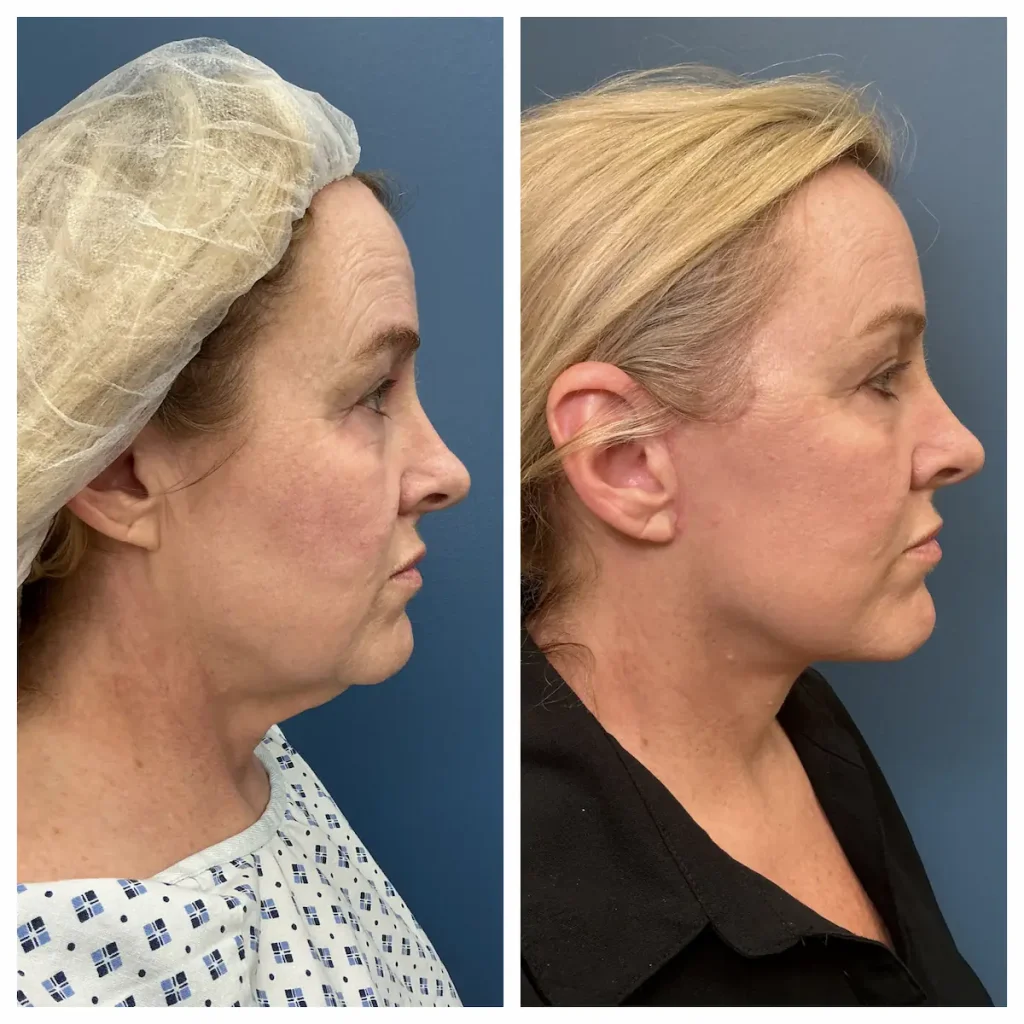
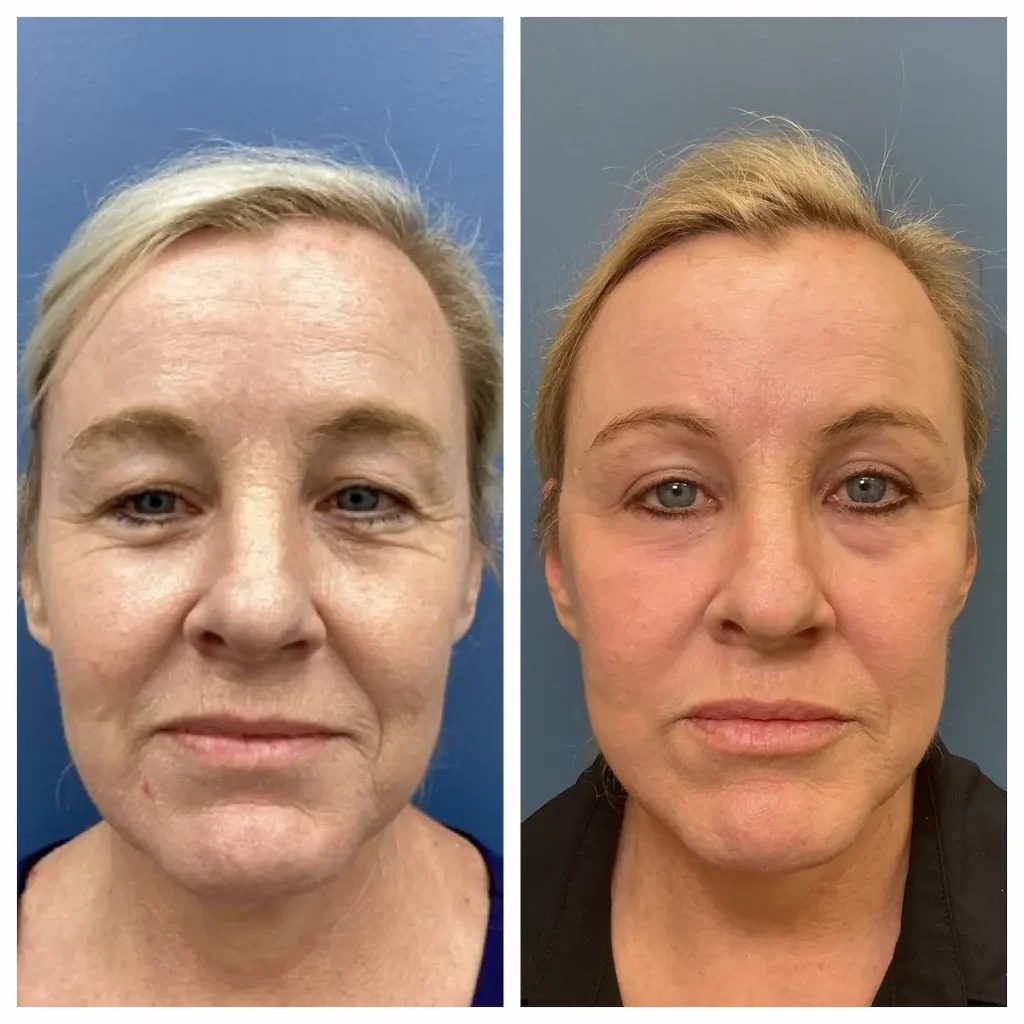
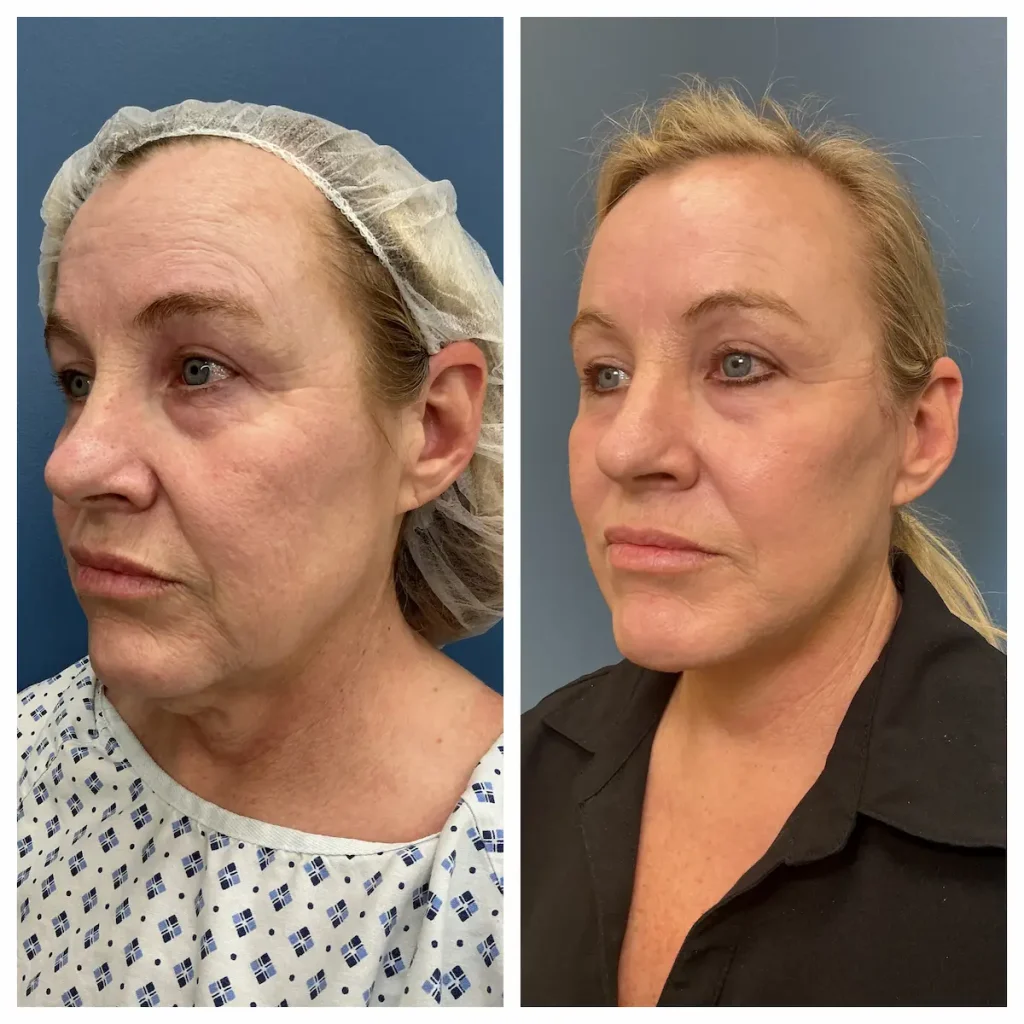
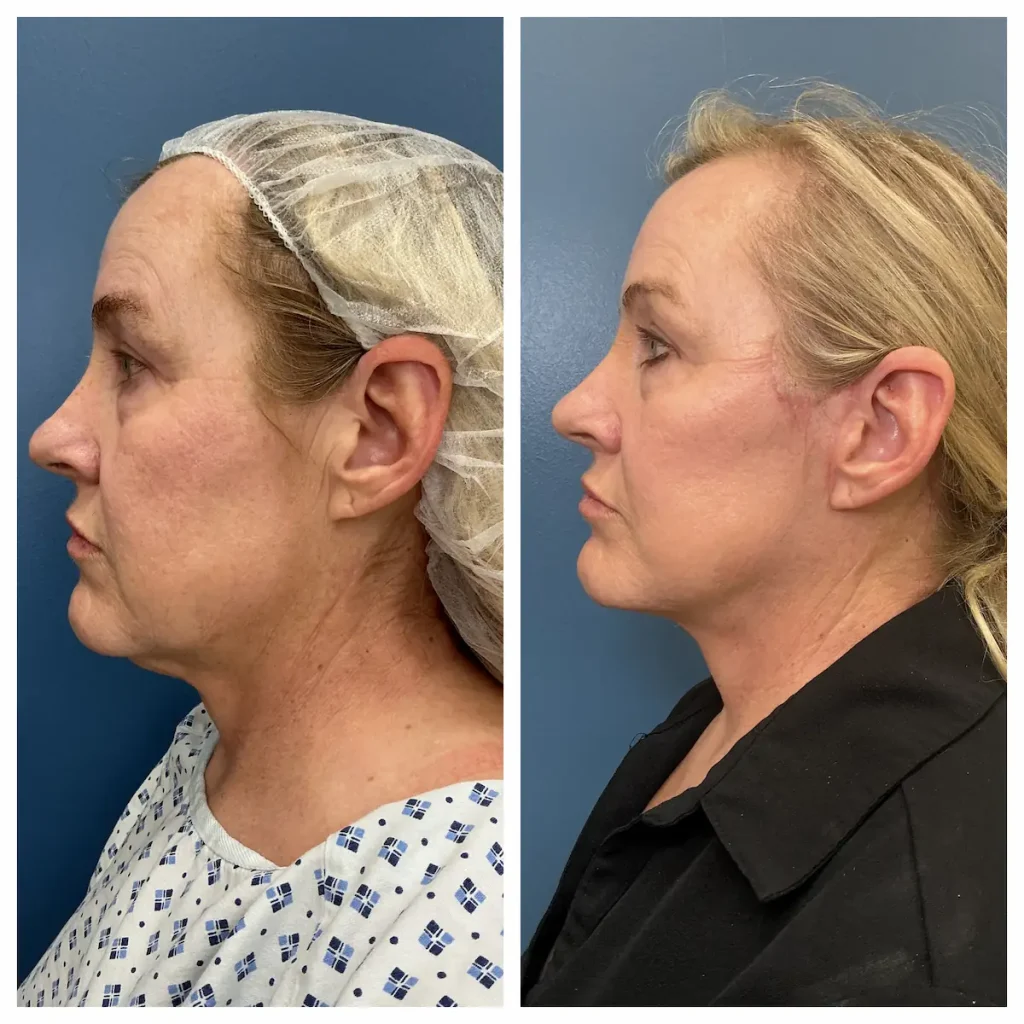
This patient had a combined face and neck lift performed by Dr. Beal, shown from three angles. Results vary.
Common questions
Facelift FAQs.
How long do facelift results last?
A facelift doesn’t stop aging, but it resets where you’re aging from. Results are long-lasting — typically measured in years — and many patients feel they look refreshed for a decade or more, though this varies with skin quality, genetics, sun habits, and lifestyle.
Will I have visible scars?
Incisions are placed in the natural creases around the ear and within the hairline, where they’re least noticeable. Dr. Beal’s reconstructive background centers on closing incisions so they heal as discreetly as possible. Scars typically fade significantly as they mature; healing varies by individual.
What’s the difference between a facelift and a liquid facelift?
A surgical facelift lifts and repositions the deeper tissue of the face — it physically corrects sagging, and results last for years. A liquid facelift uses injectables to restore volume and soften lines without surgery — no downtime, but it can’t lift loose tissue, and results are temporary. They solve different problems; a consultation sorts out which one matches yours.
Will I look “pulled” or unnatural?
The pulled look comes from tightening skin alone. Modern facelift technique — and Dr. Beal’s approach — repositions the deeper supporting layer and removes excess skin without tension, with the goal of looking like a rested, natural version of yourself, not a different person.
Is a facelift covered by insurance? What does it cost?
A facelift is a cosmetic procedure and isn’t covered by insurance. Cost depends on the surgical approach, the extent of your procedure, and whether it’s combined with others, so it’s quoted individually at your consultation — you’ll have clear numbers before making any decision.
Considering a facelift?
Start with an honest, private consultation with a fellowship-trained facial plastic surgeon. Troy, MO — and Chesterfield now open.