
Home / Laser Treatments / Laser Resurfacing
Laser Resurfacing St. Louis
Laser resurfacing renews the surface of the skin and stimulates new collagen to soften wrinkles, acne scars, sun damage, and uneven texture. At St. Louis Dermatology & Cosmetic Surgery in Troy, MO, treatment is matched to your skin and your goals, from gentle non-ablative sessions to deeper ablative CO2 resurfacing, under the direction of a double board-certified dermatologist.
Double board-certified
Dermatology and Mohs micrographic surgery
Fellowship-trained
Advanced cosmetic and reconstructive training
Physician-owned
Independent practice, never corporate
Troy & Chesterfield
Second location now open
What Is Laser Resurfacing?
Laser resurfacing uses focused beams of light to renew the skin’s surface and prompt the body to build new collagen, which can lead to smoother texture and more even tone over time. Because it works on the structure of the skin itself, a single approach can often improve several concerns at once.
There are two broad approaches. Ablative resurfacing removes the outer layer of skin for deeper correction, while non-ablative resurfacing heats the deeper layers without removing the surface, for more gradual change with less downtime. The right choice depends on your skin, your concerns, and how much recovery time fits your life. Our ResurFx fractional laser is one of the non-ablative options we offer; you can also see the full range on our laser treatments page.
What Laser Resurfacing Can Treat
Laser resurfacing may help with a range of surface and texture concerns. Whether it’s the right tool for any of them is decided together at your consultation.
- Fine lines and wrinkles
- Acne scars and other scars
- Sun damage and age spots
- Uneven tone and pigmentation
- Enlarged-looking pores
- Rough or uneven texture
- Crepey, thinning skin on the face, neck, and chest
Crepey skin is one of the more common reasons patients ask about resurfacing. Because CO2 energy reaches the dermis, it can thicken and tighten thin, finely wrinkled skin in a way that lotions cannot. Our crepey skin treatment page explains when CO2, CoolPeel, or ResurFx is the right choice by area, including arms and legs.
Ablative vs. Non-Ablative Resurfacing
Ablative resurfacing
Ablative resurfacing is the more intensive approach. It removes the outer layers of damaged skin while heating the layers beneath to stimulate collagen, which can address deeper wrinkles, more pronounced scars, and significant sun damage. The carbon dioxide (CO2) laser is the most powerful of these. Because it works deeper, it involves more recovery, often around one to two weeks of visible healing, and the change tends to be more noticeable.
Non-ablative resurfacing
Non-ablative resurfacing is gentler. Instead of removing the surface, it heats the deeper skin to build collagen gradually, so improvement develops over a series of sessions with little to no downtime. Fractional devices such as our ResurFx laser fall into this category, and non-ablative treatment is often suitable for a wider range of skin tones. For redness, broken capillaries, and brown spots specifically, we may also recommend M22 IPL, and for texture with mild laxity, RF microneedling is another collagen-building option.
| Feature | Non-Ablative | Ablative |
|---|---|---|
| Invasiveness | Less invasive | More invasive |
| Downtime | Little to none | About 1–2 weeks of visible healing |
| Sessions | A series, often 3–6 | Often a single treatment |
| Results | Gradual, builds over time | More noticeable; develops as skin heals |
| Best-suited concerns | Fine lines, mild scarring, pigmentation | Deeper wrinkles, pronounced scars, sun damage |
| Comfort | Mild; managed with numbing | Managed with numbing; more recovery |
Your Resurfacing Visit
1
Consultation
We assess your skin type and the concerns you’d like to address, talk through downtime, and recommend an ablative or non-ablative approach, often starting conservatively.
2
Treatment
Numbing is applied for your comfort, then the laser is passed over the treatment area. The time it takes depends on the area and the depth of treatment.
3
Recovery & results
Downtime depends on the approach, from little to none with non-ablative to about one to two weeks with ablative. Results continue to develop over the following weeks as new collagen forms.
Results You Can Expect
With non-ablative resurfacing, improvement is gradual and builds across a series of sessions. With ablative resurfacing, the change is often more noticeable after a single treatment and continues to develop as the skin heals over the following weeks to months. How much any concern improves depends on its depth and on your individual skin.
Results vary. A consultation is required to determine whether laser resurfacing is appropriate for you, and treatment plans are individualized. Laser resurfacing can improve the appearance of the skin; it does not stop or reverse aging, and outcomes differ from person to person.
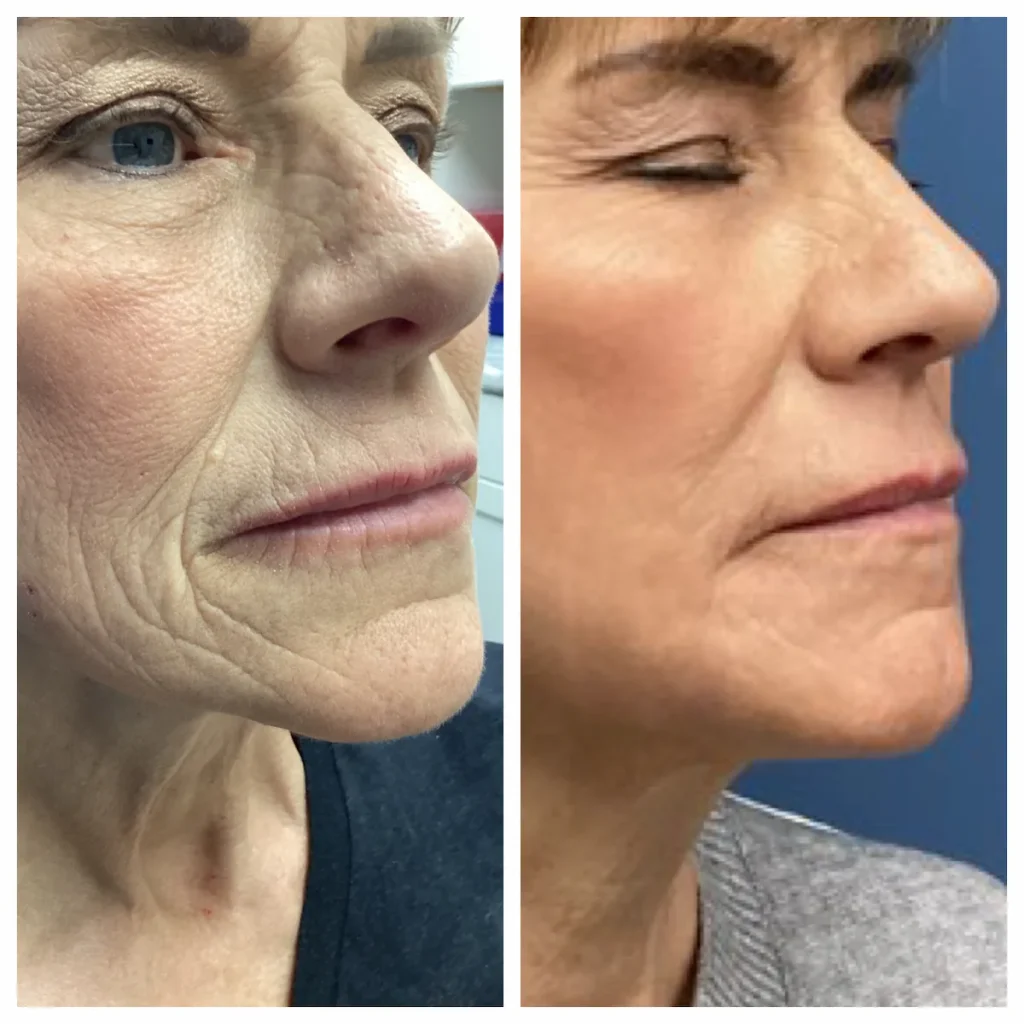
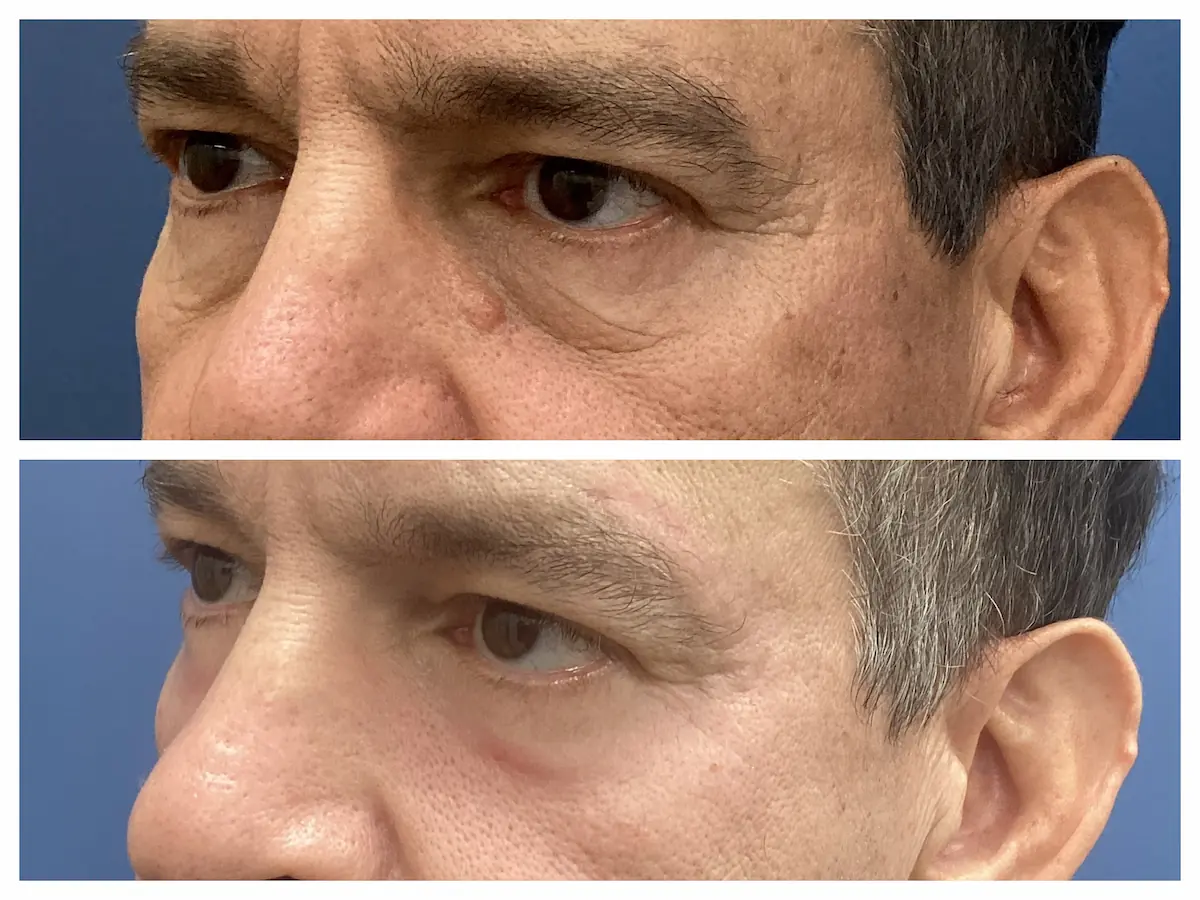
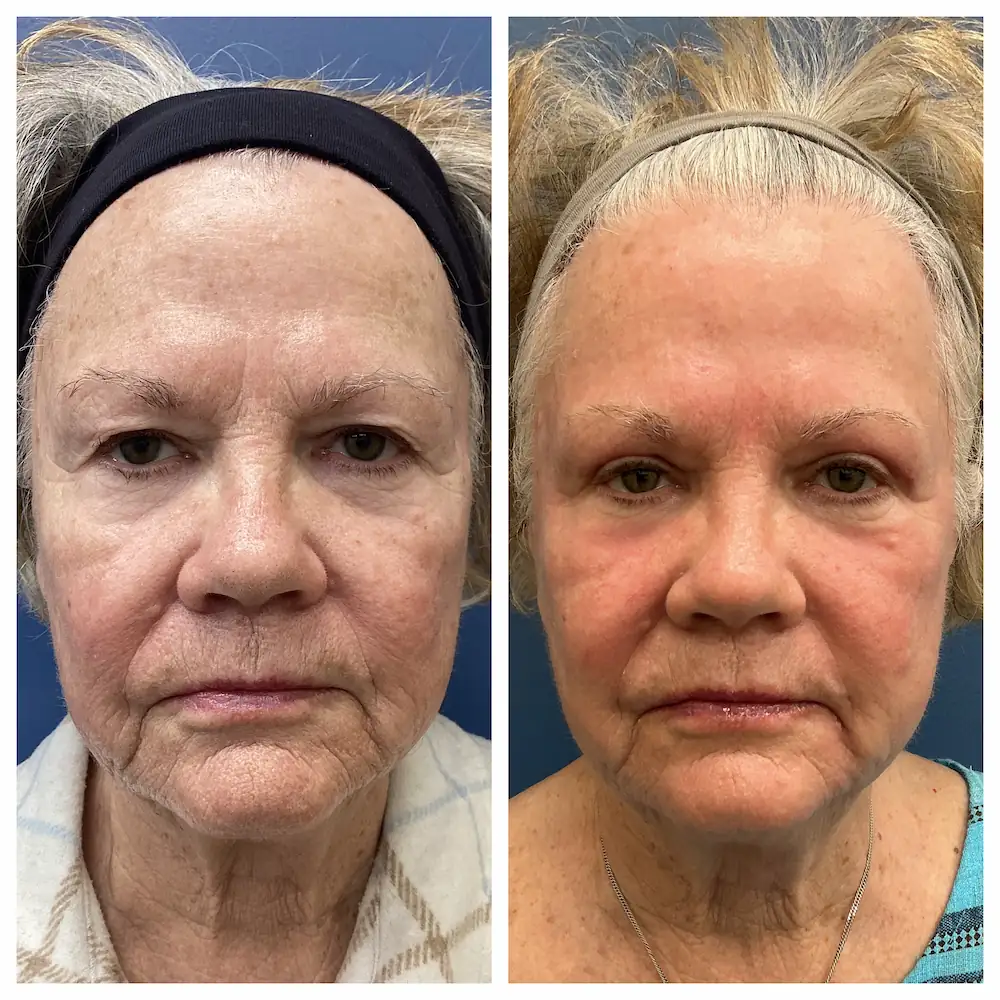
Laser Resurfacing Before and After Photos
Every photo is from one of Dr. Beal’s patients. Results vary.

Who Is a Good Candidate?
Ablative resurfacing may suit you if you have
- Deeper wrinkles or fine lines
- More pronounced acne scars
- Significant sun damage or uneven texture
- The ability to plan for a recovery period
Non-ablative resurfacing may suit you if you have
- Mild to moderate concerns or early signs of aging
- Fine lines or pigmentation you’d like to soften gradually
- A busy schedule with little time for downtime
- A preference for subtle, gradual improvement
Schedule a Laser Resurfacing Consultation in Troy, MO
The first step is a conversation about what you’d like to improve and an honest assessment of which approach fits your skin. We welcome patients from across the region, including Wentzville and Lake St. Louis, at our Troy office, and our second location in Chesterfield. Call (314) 834-1400 or request a consultation online.
Common questions
Laser Resurfacing FAQs.
What’s the difference between ablative and non-ablative laser resurfacing?
Ablative resurfacing removes the outer layer of skin while heating the layers beneath, which allows deeper correction of wrinkles, scars, and sun damage but involves more recovery. Non-ablative resurfacing heats the deeper skin without removing the surface, so improvement is more gradual and downtime is minimal. Which one fits you depends on your skin and your goals, and is decided together at your consultation.
How much downtime should I expect?
It depends on the approach. Non-ablative treatments often have little to no downtime, with mild redness that settles within hours to a few days. Ablative resurfacing typically involves about one to two weeks of visible healing, during which the skin is red and tender. Your provider will explain what to expect for your specific plan.
How many treatments will I need?
Non-ablative resurfacing is usually done as a series, often around three to six sessions, to build results gradually. Ablative resurfacing may reach its goal in a single treatment, depending on the depth used. The plan is set together at your consultation.
Does laser resurfacing hurt?
Comfort is managed with numbing before treatment. Many patients describe a warm or prickling sensation during the procedure, and deeper ablative treatments may use additional numbing. Any discomfort afterward is usually mild and temporary.
Is laser resurfacing safe for darker skin tones?
Some lasers carry a higher risk of pigment changes in deeper skin tones, particularly more aggressive ablative treatments. This is exactly why a consultation matters: your provider assesses your skin type and recommends an approach and settings, or a gentler option, intended to treat you safely.
Smoother, renewed skin.
Laser resurfacing matched to your skin and goals, under the direction of a double board-certified dermatologist. Troy, MO, and Chesterfield now open.