
Home / Medical Dermatology / Acne Treatment
Acne Treatment St. Louis
Explore effective acne treatments to achieve clear, healthy skin. Learn about various methods, their benefits, and the path to a blemish-free complexion.
Double board-certified
Dermatology and Mohs micrographic surgery
Residency & Fellowship
Cleveland Clinic · Zitelli & Brodland
Physician-owned
Independent practice — never corporate
Established 2020
Serving Troy, Lincoln County, and beyond
What is Acne?
Acne is a common skin condition. Most people will have acne at some point in their lives. While acne is often associated with adolescence, many adults also experience it.
Acne occurs when pores in the skin become blocked. Typically, pores become blocked by overproduction of sebum from the sebaceous glands. Blocked pores cause whiteheads or blackheads to form. If the blocked pore becomes inflamed, pimples, deeper nodules, and cysts can also form.
Acne ranges from mild (only a few pimples) to severe (painful nodules and cysts). In cases of moderate to severe acne, scarring can occur. It is important to treat acne early to prevent potential scarring.
What Causes Acne?
- Hormonal changes cause the body to produce more sebum, oil, and fatty acids in the skin’s hair follicles. Common causes of hormonal fluctuations include puberty, use of hormonal birth control, anabolic steroid use, or stress.
- Bacteria can grow in blocked hair follicles, causing inflammation. Inflamed glands can form pustules, nodules, and cysts.
- Irritants, such as picking at existing acne or wearing headgear, hats, or helmets, can irritate the skin, causing further inflammation and worsening acne.
- Environmental factors, such as high humidity or air pollution, can contribute to acne.
- Products: Glycemic/oily lotions or certain hair products, such as pomades or waxes, can block pores and cause acne.
What are the Treatment Options for Acne?
Below are some of the common treatment options for acne. Your doctor may suggest combining these treatments to help achieve the best outcome.
1
Topical Medications
Topical medications are often the first step in treating mild to moderate acne. Options include topical retinoids, which help keep pores from becoming blocked; benzoyl peroxide, which reduces acne-causing bacteria; topical antibiotics; and azelaic acid. Many patients use a combination of topical treatments, and prescription-strength formulations are often more effective than over-the-counter versions of the same ingredients. Your provider can also help you build a daily skincare routine — gentle cleanser, non-comedogenic moisturizer, and sunscreen — that supports treatment instead of working against it.
2
Oral Medications
For moderate to severe acne, or acne that has not responded to topical treatment, oral medication may be recommended. Oral antibiotics such as doxycycline can reduce bacteria and inflammation. For women with hormonal acne, spironolactone or certain birth control pills can help regulate the fluctuations that drive breakouts along the jawline and lower face. For severe or scarring acne, isotretinoin (formerly known by the brand name Accutane) may be considered — it is the most effective option for severe nodulocystic acne and requires regular monitoring throughout the course of treatment.
3
In-Office Procedures
Procedures performed in our office can complement medical therapy. Chemical peels exfoliate the skin, help unclog pores, and can improve the discoloration left behind by previous breakouts. Acne extractions remove stubborn blackheads and whiteheads safely — without the scarring risk that comes with picking at home. Laser and light-based treatments can target acne-causing bacteria, reduce inflammation, and improve redness. Your provider will recommend procedures based on your skin type and the kind of acne you have.
4
Treating Acne Scars
If previous breakouts have left scarring, treatment can address both texture and discoloration. Options include microneedling, subcision, chemical peels, and laser resurfacing — often used in combination. You can learn more on our acne scar treatment page. Getting active acne under control comes first: it prevents new scars from forming while existing ones are treated.
| Benzoyl Peroxide | Salicylic Acid | Retinoids | Antibiotics | Antiandrogen / Hormone Therapy | |
|---|---|---|---|---|---|
| Available | Over the counter | Over the counter | Over the counter or prescription | Prescription only | Prescription only |
| Form | Multiple (wash, gel, cream, lotion, etc.) | Multiple (wash, gel, cream, lotion, etc.) | Oral pill or applied to skin (gel, cream, lotion) | Oral pill or applied to skin (cream, lotion) | Oral pill |
| How does it work? | Targets acne-causing bacteria | Helps unclog pores to prevent acne | Increases turnover of skin cells to unclog pores | Helps control acne-causing bacteria | Manages hormonal fluctuations that can cause acne |
| Notes on use | Needs to be used continuously to be effective. May cause dry skin and may bleach fabrics. | Needs to be used continuously to be effective. | Sometimes causes acne to get worse before it gets better. | — | — |
Individualized careTreatment plans are individualized, and results vary. A consultation is required to determine which approach is right for your skin.
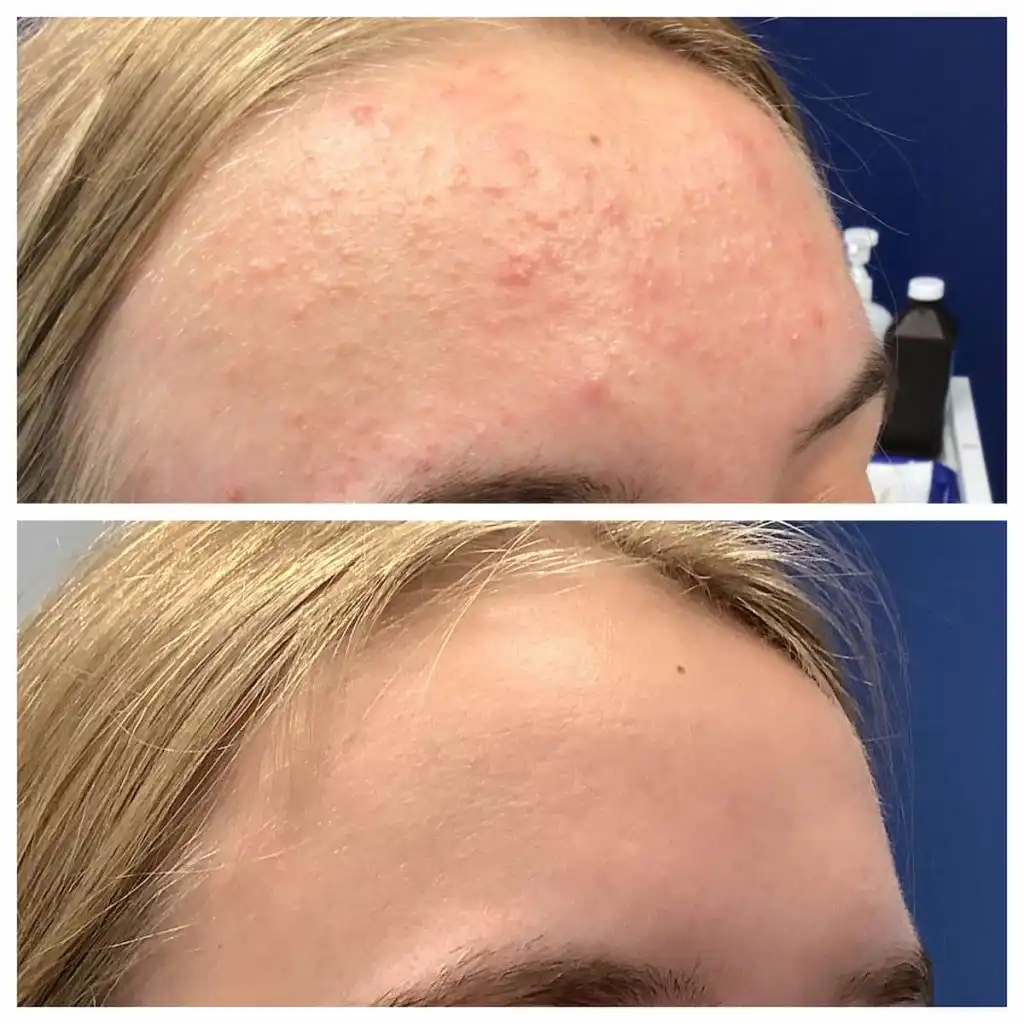
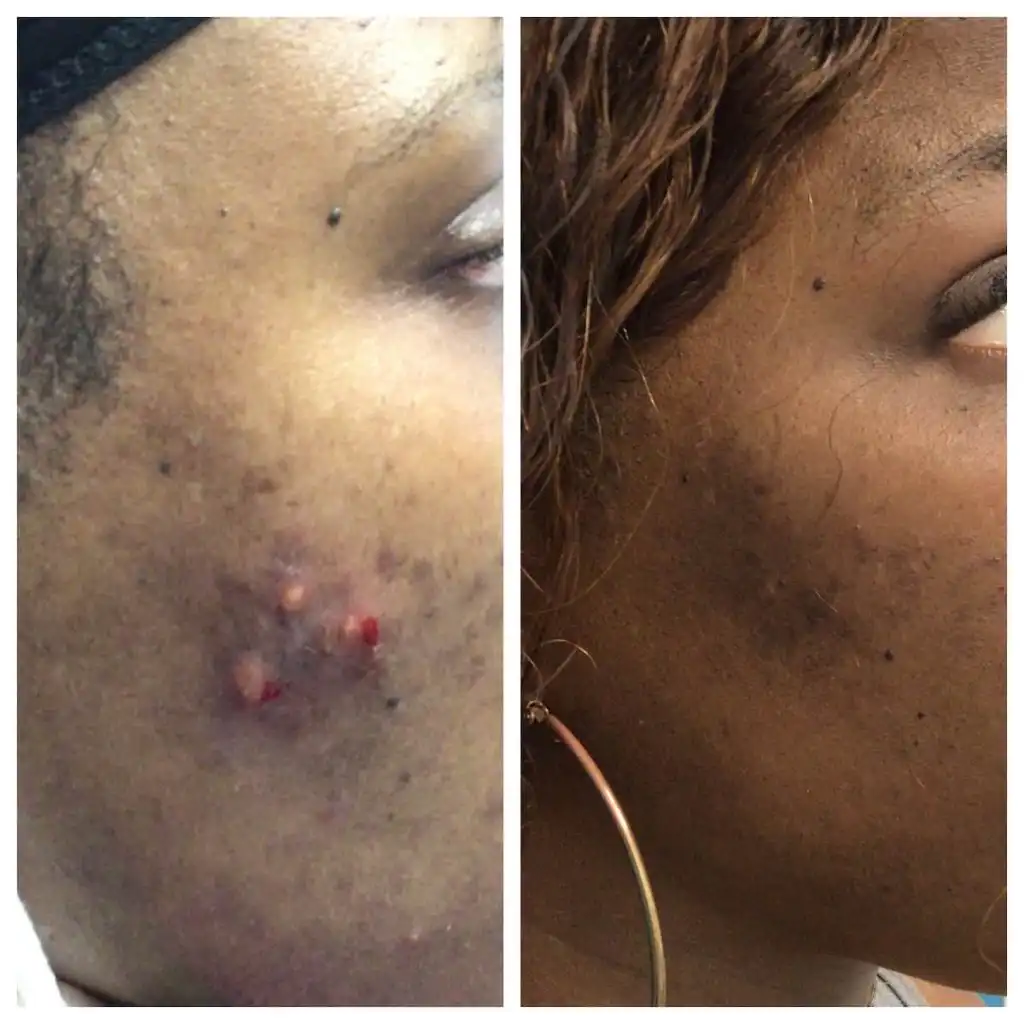
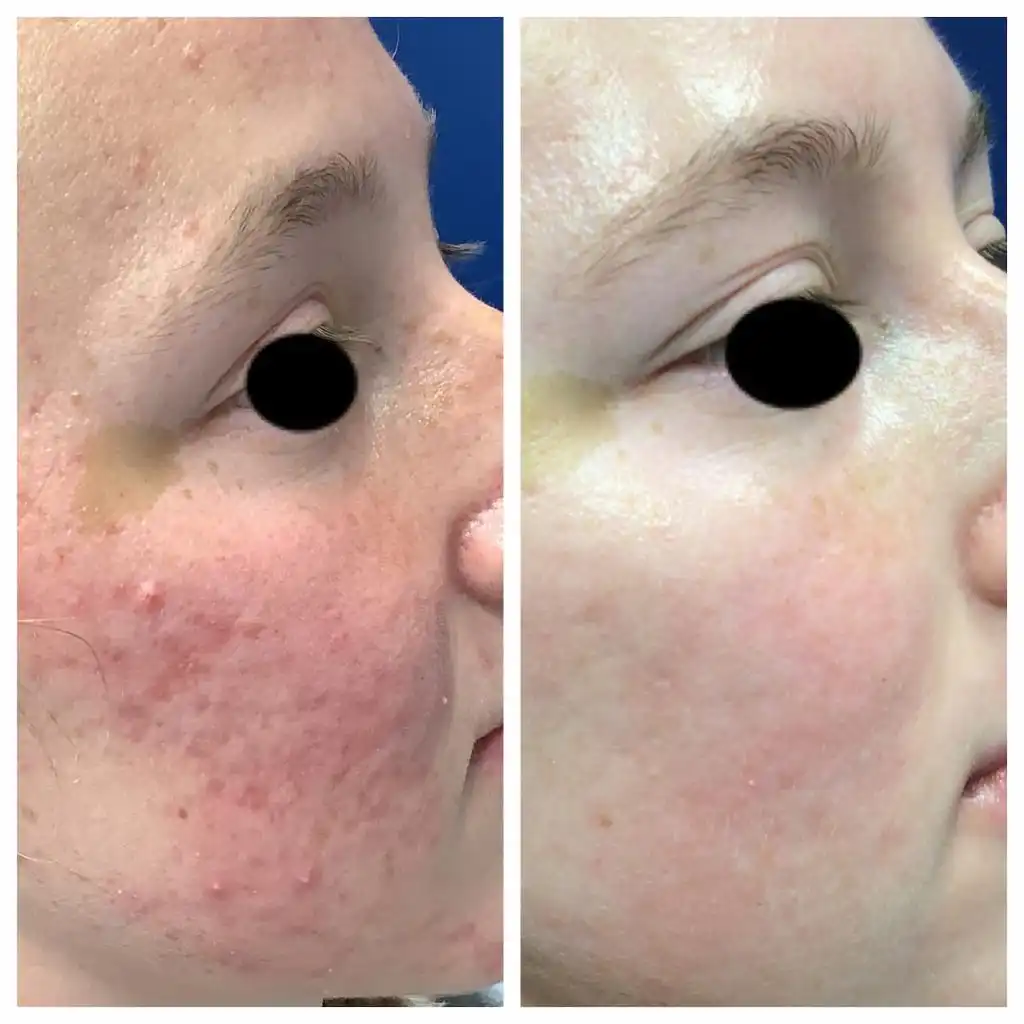
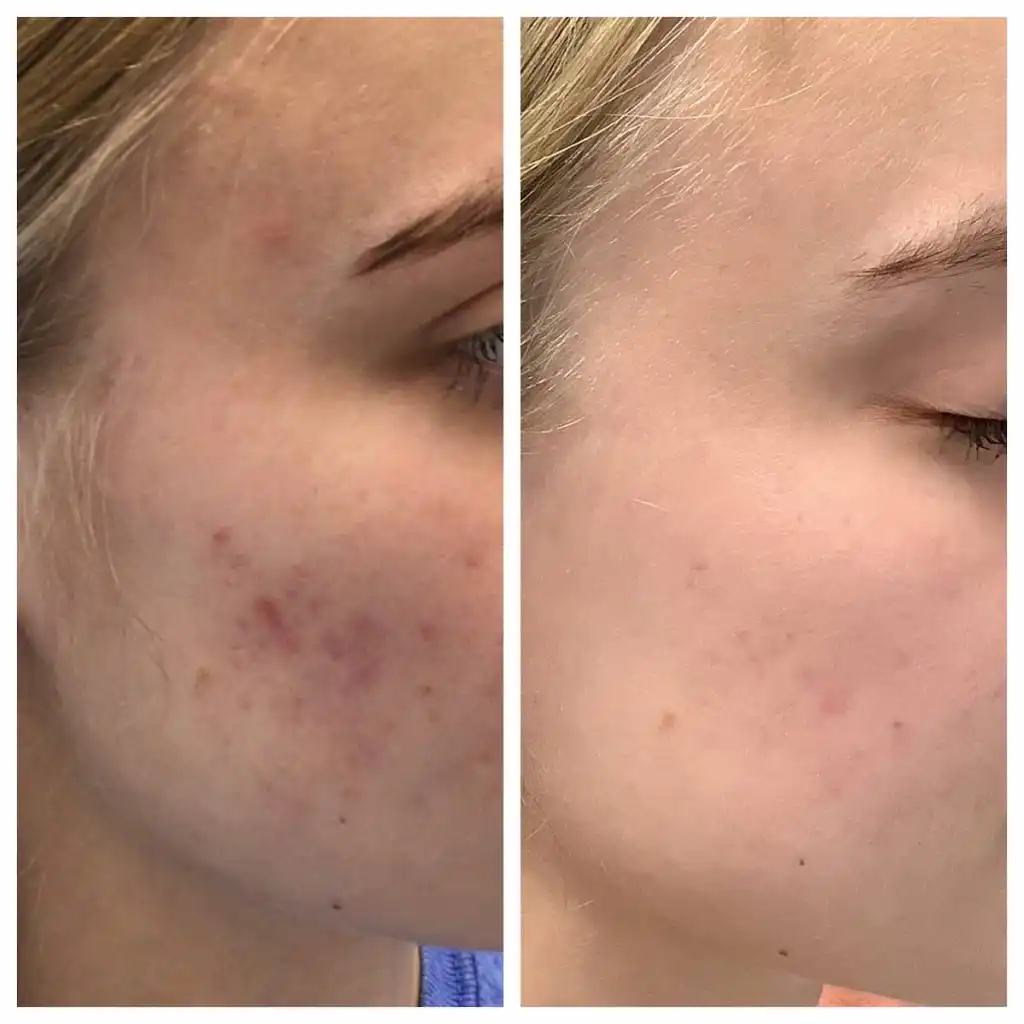
Acne Treatment Before and After Photos
Every photo is from a patient of this practice.
What Can You Expect?
You will consult with our board-certified dermatology team. The physician will listen to you, perform a thorough evaluation, and provide an individualized treatment plan to address your needs and concerns.
Choose St. Louis Dermatology & Cosmetic Surgery
Our Dermatologists can help you explore options to rejuvenate or refine your appearance and help you look and feel your best. We can help you improve your complexion and confidence and achieve younger, healthier-looking skin!
We deliver remarkable patient experiences through quality, compassion, and innovation. We are a team that cares deeply about our neighbors and is a positive resource to the community.
Schedule an Acne Consultation in Troy, MO
From our office in Troy, we provide acne treatment for patients across Lincoln County and the surrounding area, including Moscow Mills and Wentzville — and our second location in Chesterfield. Call (314) 834-1400 or request an appointment online to get started.
Common questions
Acne treatment FAQs.
How long does acne treatment take to work?
Most acne treatments take time. Topical and oral medications often need six to eight weeks of consistent use before clear improvement appears, and full results can take three months or longer. Isotretinoin courses typically run four to six months. Your provider will set expectations at your visit and adjust the plan if your skin isn’t responding.
Can adults get acne?
Yes. While acne is most common during adolescence, many adults — particularly women — experience breakouts well into their 30s, 40s, and beyond. Adult acne is often hormonal and tends to appear along the jawline and lower face. It frequently responds to different treatments than teenage acne, which is one reason an individualized evaluation matters.
When should I see a dermatologist about acne?
Consider scheduling a visit if over-the-counter products haven’t helped after two to three months, if your acne is painful or cystic, if breakouts are leaving dark marks or scars, or if acne is affecting your confidence. Early treatment is the best way to reduce the risk of permanent scarring.
Is acne treatment covered by insurance?
Medical acne treatment is typically covered. We accept Medicare and most major private insurance plans for medical dermatology services. Cosmetic procedures, such as treatments aimed at improving the appearance of old scars, are usually paid directly. Call our Troy office at (314) 834-1400 with specific coverage questions.
Do I need a referral to see a dermatologist?
In most cases, no — you can schedule directly with our office. Some insurance plans require a referral from a primary care physician, so it’s worth checking your plan. Most new patients are seen within the same week.
Ready to get your acne under control?
Same-week appointments. Medicare accepted. Troy, MO — and Chesterfield now open.