
Home / Cosmetic Surgery / Upper Eyelid Blepharoplasty
Upper Eyelid Blepharoplasty St. Louis
Upper eyelid blepharoplasty removes the heavy, hooded skin that makes eyes look tired or smaller — a 45-to-60-minute procedure with about a week of recovery, performed by Dr. Brandon T. Beal, fellowship-trained in facial plastic & reconstructive surgery.
Double board-certified
Dermatology and Mohs micrographic surgery
Fellowship-trained
Facial plastic & reconstructive surgery — Zitelli & Brodland
Physician-owned
Independent practice — never corporate
Established 2020
Serving Troy, Lincoln County, and beyond
What is Upper Eyelid Blepharoplasty?
Upper eyelid blepharoplasty is a surgical procedure that improves the appearance of the upper eyelids. With age, the upper lid skin stretches and folds over itself, fat can create puffiness, and the natural contour of the lid disappears — leaving eyes that look heavy, hooded, or tired no matter how rested you are. Blepharoplasty removes the excess skin and, depending on your anatomy, repositions or removes fat to restore a clean, defined eyelid.
What Upper Blepharoplasty Can Address
- Loose or sagging skin that creates folds over the upper eyelid
- Fat deposits that appear as puffiness in the lids
- A hooded look that makes eyes appear smaller or tired
- In more advanced cases, excess skin that begins to interfere with vision
Concerns below the eye are a different procedure: lower eyelid blepharoplasty addresses under-eye bags and puffiness, and tear trough hollowing has its own treatment options. The two surgeries are frequently combined when both areas bother you.
Heavy Lids or Heavy Brows?
Sometimes what reads as excess eyelid skin is actually a brow that has descended with age, pushing skin down onto the lid. The distinction matters, because the right fix differs — a brow lift addresses the brow, blepharoplasty addresses the lid, and occasionally the best plan involves both. Dr. Beal will tell you plainly which is driving what you see.
The Upper Blepharoplasty Process
1
Consultation & Planning
You meet privately with Dr. Beal to discuss what bothers you about your eyes. He evaluates your lid skin, fat, and brow position, distinguishes cosmetic from functional concerns, and recommends a plan — including whether fat repositioning, a combined procedure, or laser resurfacing belongs in it.
2
The Procedure
Upper blepharoplasty is usually done under local anesthesia combined with “twilight sleep” and takes about 45 to 60 minutes. The incision is made within the natural crease of the eyelid, so the scar is easily concealed. Excess skin is removed, and fat is repositioned or removed when your plan calls for it.
3
Recovery
Most people experience minimal pain and recover in about a week. Minor swelling and bruising may last a few days, and early healing can include irritation or dry eyes — managed with cold compresses, ointment, and medication as needed. Diligent sun protection and darkly tinted sunglasses are important until healing is complete.
4
Results
Results appear gradually as swelling goes down: a better-defined eyelid and an alert, rejuvenated appearance. Because the excess skin is removed rather than tightened, results are typically long-lasting. Results vary by individual.
Individualized careEvery surgical plan is individualized, and results vary. A consultation is required to determine whether upper eyelid blepharoplasty is right for you.
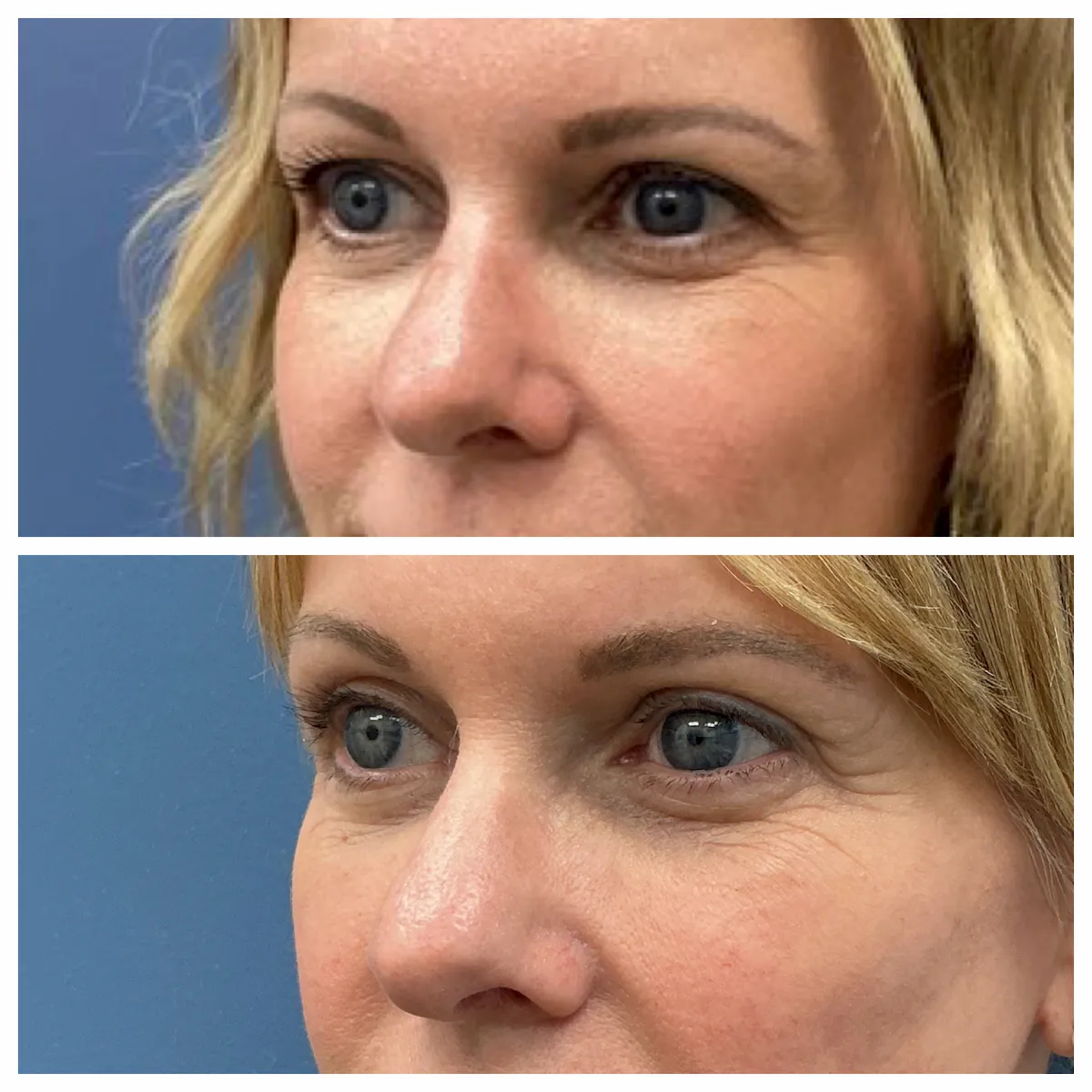
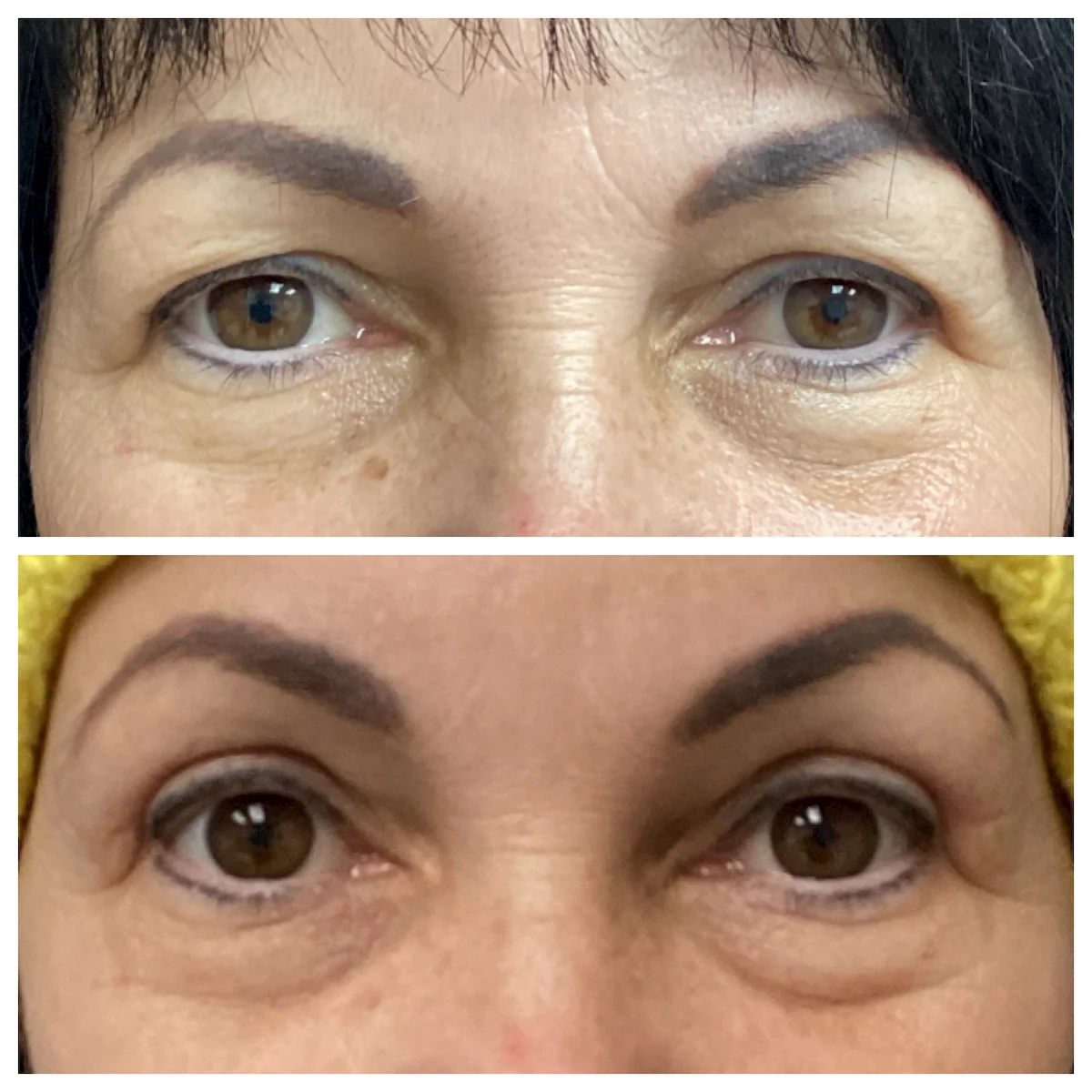
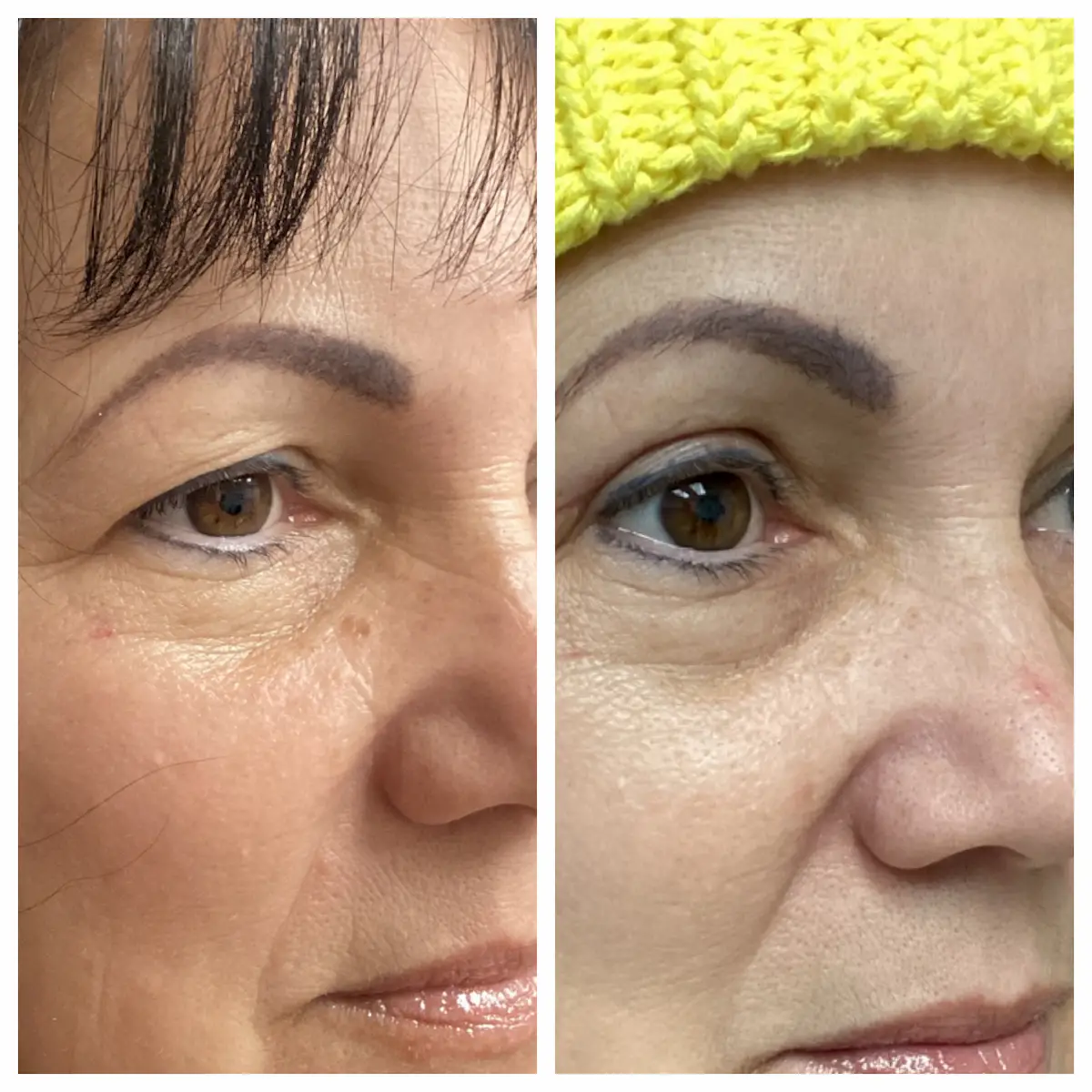
Eyelid Surgery Before and After Photos
Every photo is from a patient of this practice, treated by Dr. Beal.

Often Combined With
Lower eyelid blepharoplasty is the most frequent pairing — one session, one recovery, and the eyes rejuvenate as a unit. A brow lift joins the plan when brow descent contributes to the hooding, and CO2 laser resurfacing can refine the fine lines and skin texture around the eyes that surgery alone doesn’t change — a combination Dr. Beal performs regularly. For broader facial aging, a facelift addresses what’s happening below.
Why a Facial Reconstructive Surgeon for Your Eyelids
The eyelids are unforgiving territory — function and appearance live millimeters apart. Dr. Beal’s fellowship at Zitelli & Brodland trained him in facial plastic & reconstructive surgery, including reconstruction of eyelids after skin cancer removal, where preserving lid function while restoring appearance is the entire job. That’s the skill set cosmetic blepharoplasty draws on, applied with a conservative, natural-result philosophy.
Schedule a Blepharoplasty Consultation
A private consultation is the right first step — an honest assessment of your lids, your brows, and what would actually change the look that bothers you. We welcome patients from across the St. Louis region, including Wentzville and O’Fallon, at our Troy office — and our second location in Chesterfield. Call (314) 834-1400 or request a consultation online.
Common questions
Upper blepharoplasty FAQs.
Will insurance cover my upper eyelid surgery?
Cosmetic blepharoplasty isn’t covered. However, when drooping upper lid skin is severe enough to obstruct your field of vision, the procedure may be considered functional, and some plans may cover it — typically requiring documentation such as visual field testing. Dr. Beal will tell you honestly which category your case falls into, and we’ll help you understand what your plan requires.
Will the scar be visible?
The incision is made within the natural crease of the eyelid, so the scar is concealed in the fold whenever your eyes are open. Eyelid skin also heals remarkably well. Scars typically fade significantly as they mature; healing varies by individual.
How long is recovery, really?
Most people experience minimal pain and recover in about a week, with minor swelling and bruising lasting a few days. Plan for cold compresses early on, sunglasses outdoors, and diligent sun protection until healing is complete. Many patients are comfortable in social settings within a week or two.
How long do results last?
Upper blepharoplasty results are typically long-lasting — the removed skin doesn’t return, though skin continues to age naturally. Many patients enjoy their results for many years; longevity varies with skin quality, genetics, and sun habits.
Should I do upper and lower eyelids at the same time?
If both bother you, combining upper and lower blepharoplasty means one session and one recovery, and the result reads as a whole. If only the upper lids bother you, treating only them is the right call — Dr. Beal won’t recommend more surgery than your goals require.
Open up your eyes again.
A 45-to-60-minute procedure, about a week of recovery, and a private consultation to start. Troy, MO — and Chesterfield now open.