
Home / Acne Scar Treatment
Acne Scar Treatment St. Louis
Acne scars come in different forms, rolling, boxcar, and ice-pick, and the right treatment depends on which type you have. At St. Louis Dermatology & Cosmetic Surgery in Troy, MO, acne scar treatment is built around your specific scars, often combining subcision, TCA CROSS, resurfacing, and microneedling, under the direction of Dr. Brandon T. Beal, a double board-certified dermatologist whose reconstructive training informs every plan.
Double board-certified
Dermatology and Mohs micrographic surgery
Fellowship-trained
Advanced cosmetic and reconstructive training
Physician-owned
Independent practice, never corporate
Troy & Chesterfield
Second location now open
Our Acne Scar Treatments
These treatments are most effective in combination, layered to address the scar types you have. Your plan is built at your consultation.
Subcision
Releases the fibrous bands that tether rolling and boxcar scars, letting the skin lift and collagen rebuild.
Laser Resurfacing
Smooths the skin’s surface and blends texture, often the finishing layer over subcision and TCA CROSS.
Filler
Adds volume beneath depressed scars to lift them, often paired with subcision for rolling and boxcar scars.
Acne Scars Aren’t All the Same
Effective treatment starts with identifying the type of scar, because each responds to different techniques. Most people have a mix, which is why a combination approach usually works best. One important note: acne scars are treated once active acne is under control, so if you’re still breaking out, our acne treatment comes first.
Rolling scars
Shallow, wave-like depressions caused by fibrous bands tethering the skin from beneath. These respond well to subcision, often combined with resurfacing.
Boxcar scars
Wider depressions with sharply defined edges, like shallow craters. Subcision, resurfacing, and microneedling can each play a part in softening them.
Ice-pick scars
Narrow, deep, and steep, resembling enlarged pores. These are best treated with TCA CROSS, a precise spot technique, rather than subcision.
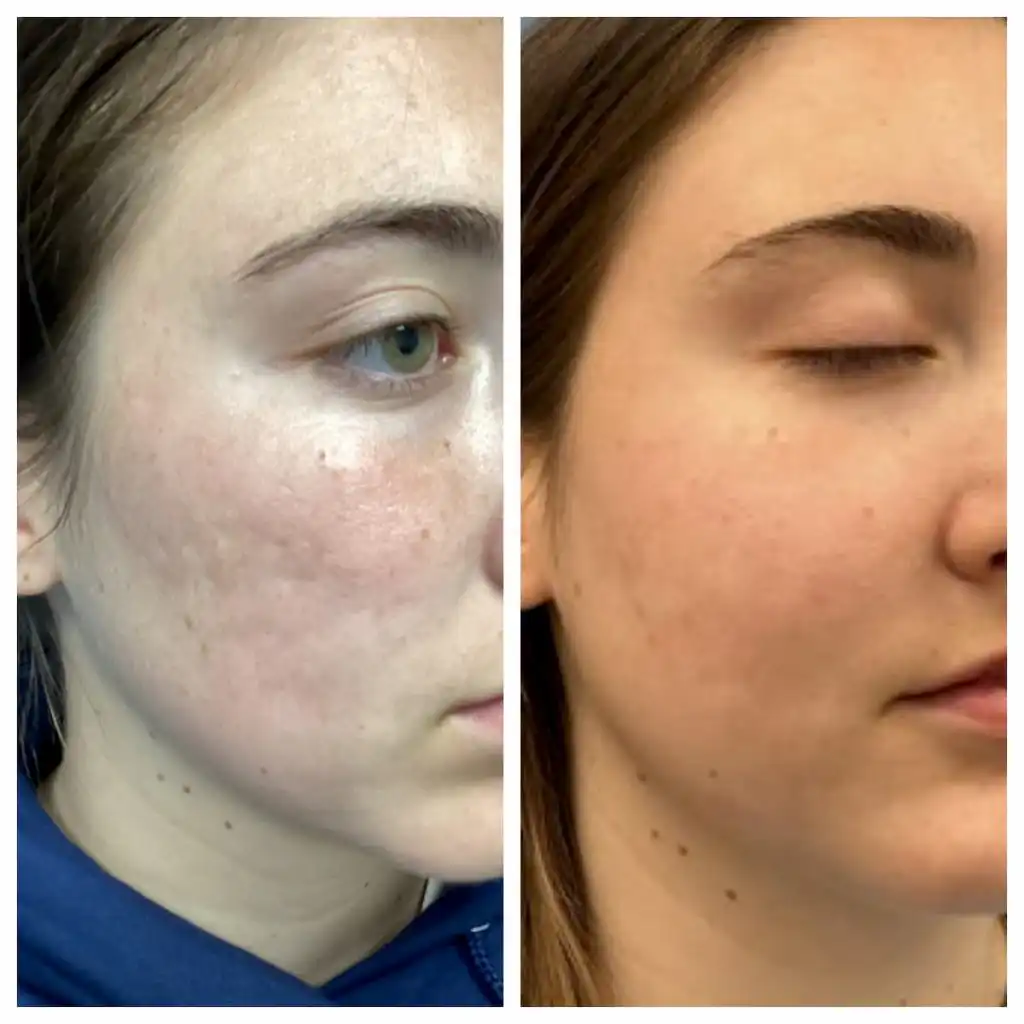
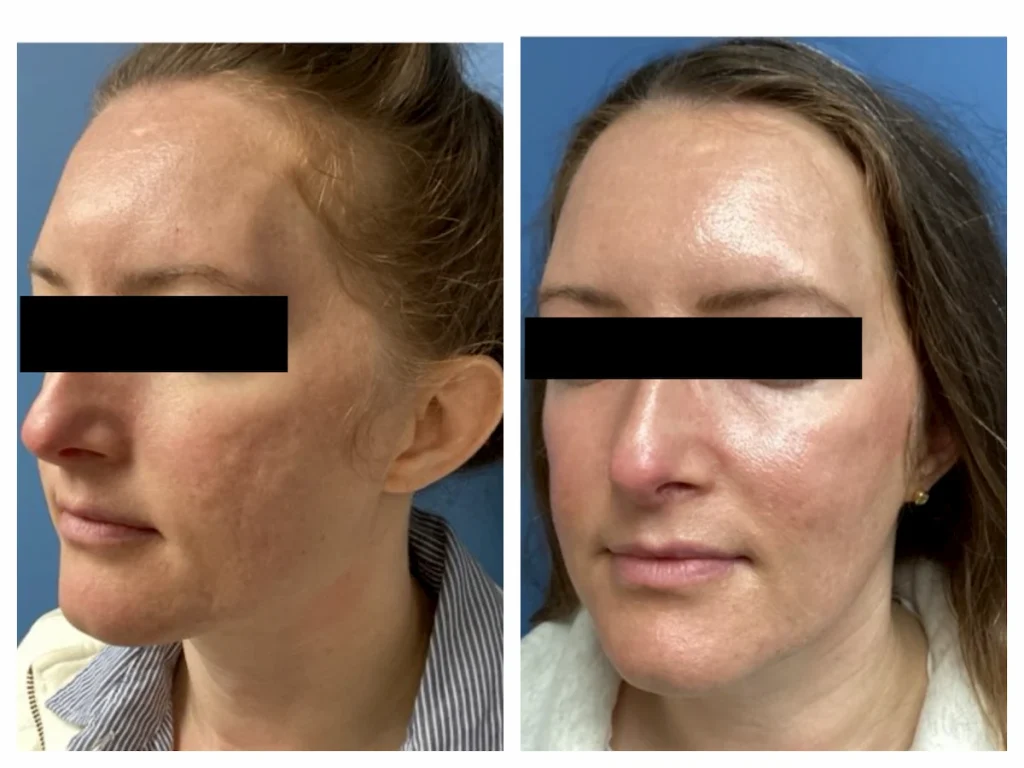
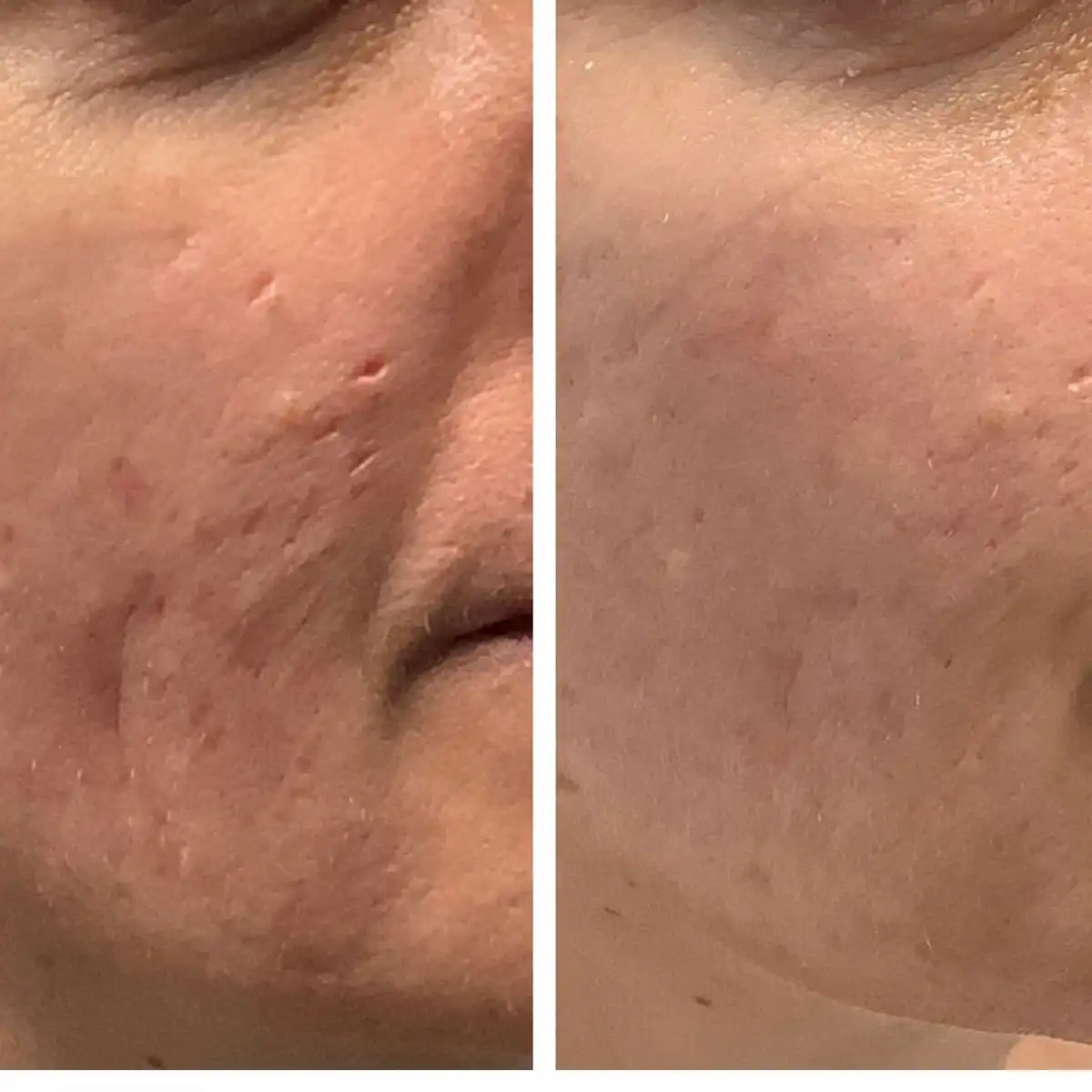
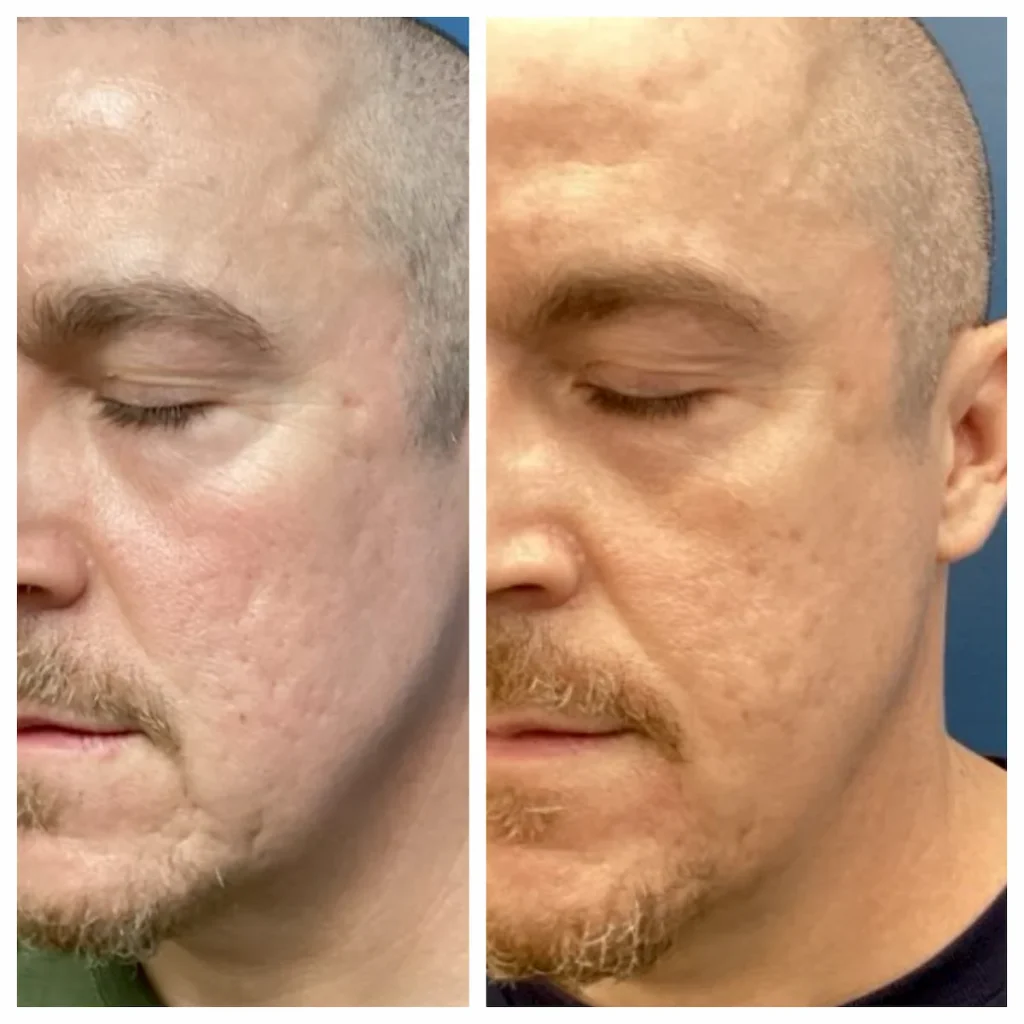
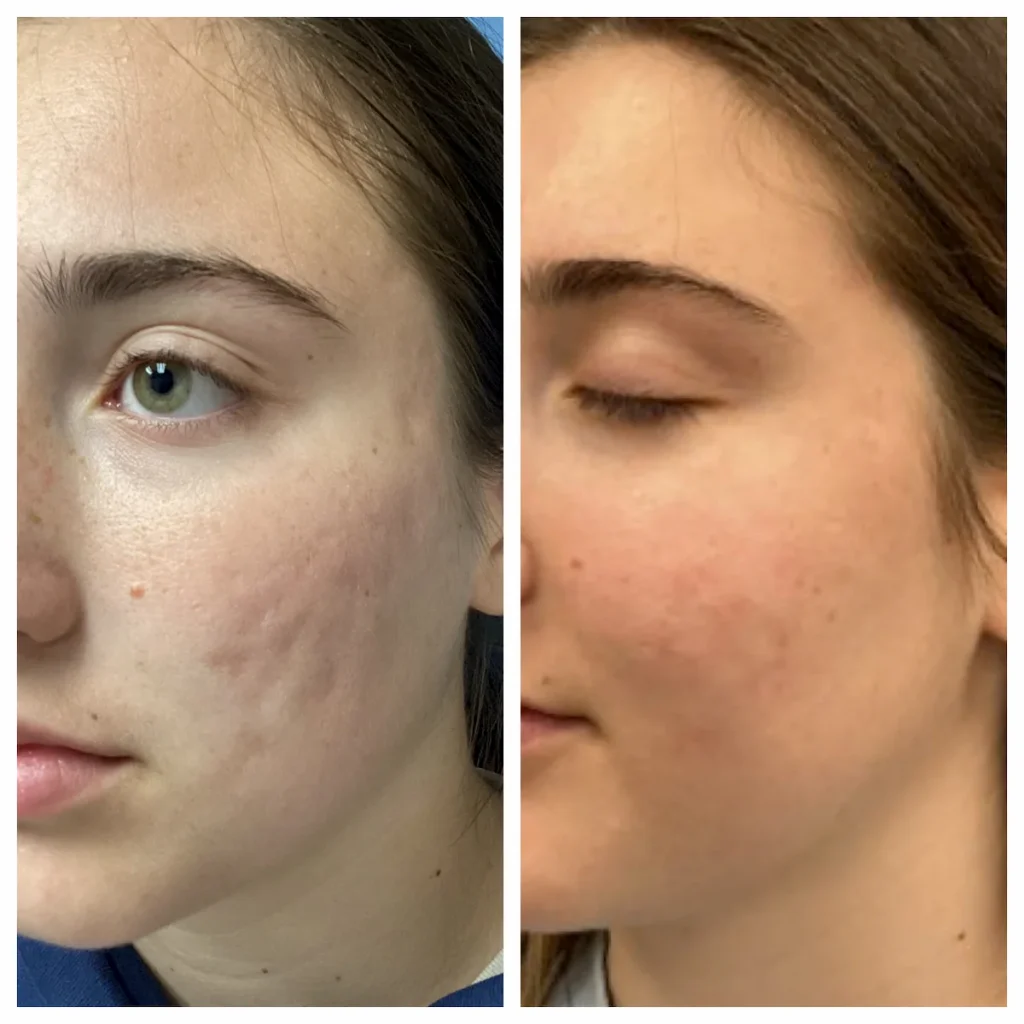
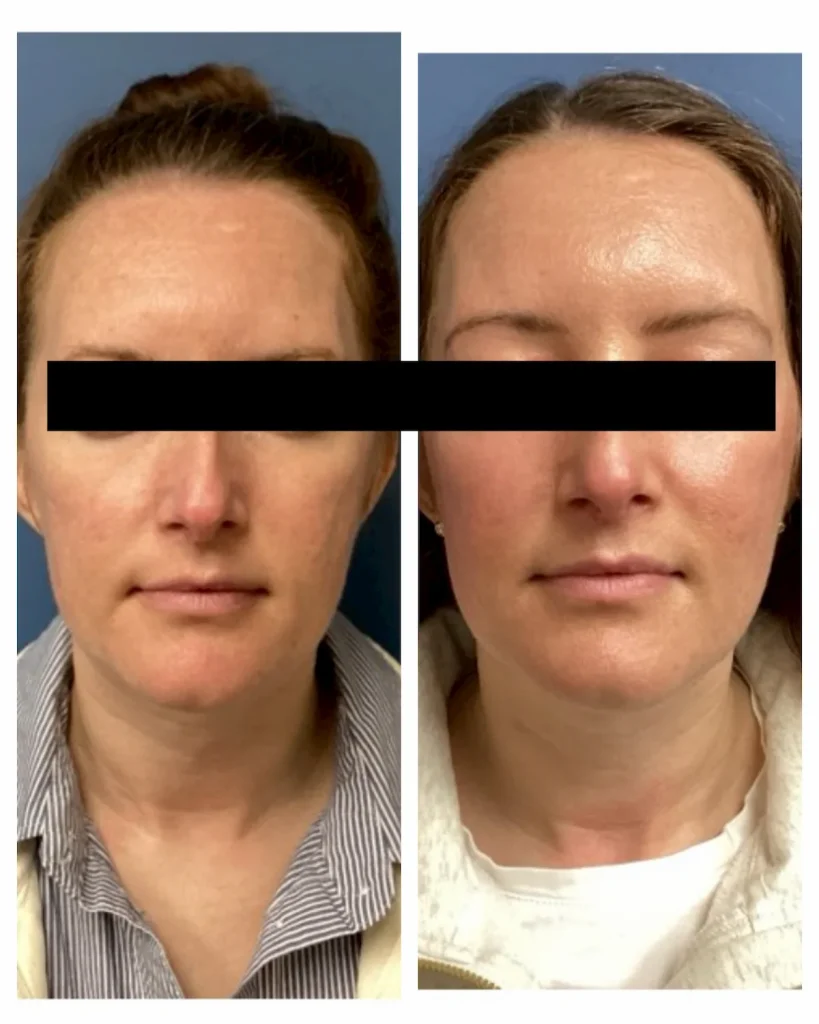
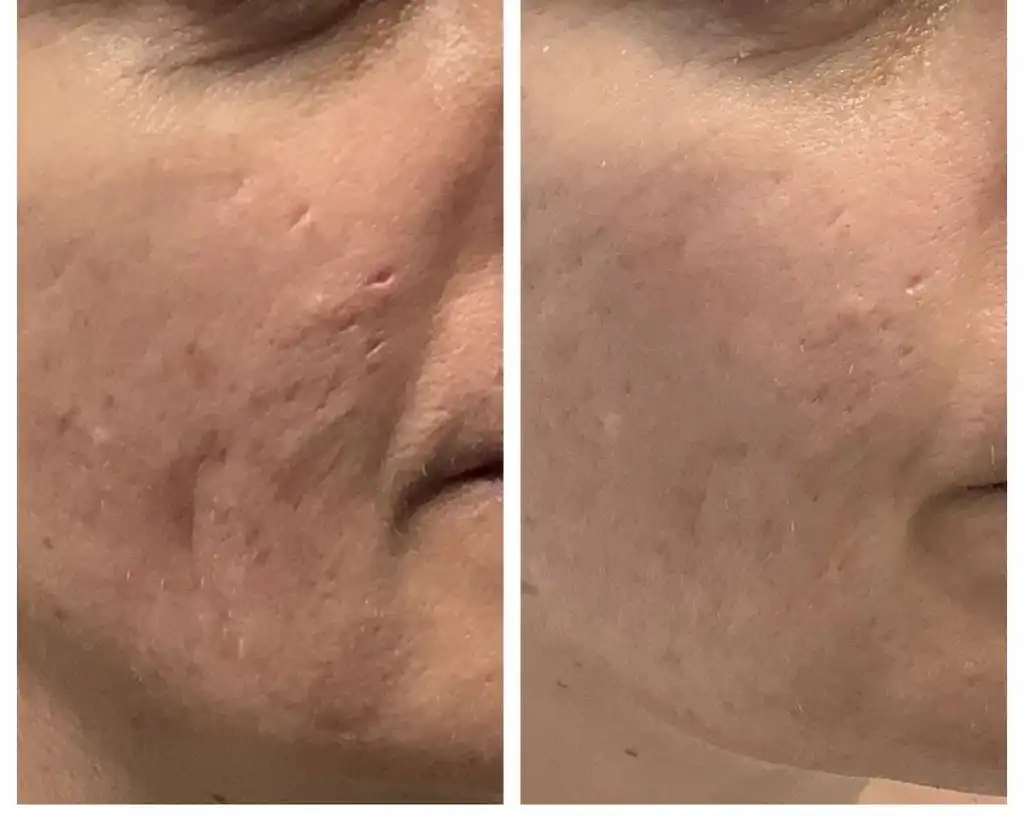
Acne Scar Before and After Photos
Every photo is from one of Dr. Beal’s patients. Results vary.
Why a Combination Approach
Because most people have more than one type of scar, the best results usually come from layering treatments rather than relying on any single one, releasing tethered scars with subcision, rebuilding ice-pick scars with TCA CROSS, and refining the surface with resurfacing or microneedling. Dr. Beal’s reconstructive background shapes how these are sequenced for your skin, and we’ll only recommend what genuinely helps. Results develop gradually as collagen forms, and most plans involve a series of sessions.
Results vary. A consultation is required to determine which treatments are appropriate for you, and treatment plans are individualized. These treatments can improve the appearance of acne scars; results develop gradually, often over multiple sessions, and differ from person to person.
Schedule an Acne Scar Consultation in Troy, MO
The first step is an evaluation of your scars and an honest plan for improving them. We welcome patients from across the region, including O’Fallon and St. Charles, at our Troy office, and our second location in Chesterfield. Call (314) 834-1400 or request a consultation online.
Common questions
Acne Scar FAQs.
Which treatment is right for my acne scars?
It depends on your scar types. Rolling and boxcar scars often respond to subcision and resurfacing; ice-pick scars are better suited to TCA CROSS. Most people have a mix, so a combination plan is common. Your consultation is where we identify your scar types and match the treatments.
Do I need to clear my acne first?
Yes. Acne scars are treated once active acne is controlled or resolved, both for safety and for lasting results. If you’re still breaking out, we’ll address that first; our acne treatment page covers that side of care.
How many treatments will I need?
Acne scar improvement is gradual and usually takes a series of sessions, since results build as new collagen forms. The number depends on your scar types and severity and is set together at your consultation.
Is there downtime?
It varies by treatment. Subcision may cause bruising and swelling for a few days; resurfacing involves more visible healing; TCA CROSS and microneedling are generally lighter. Your provider will explain the recovery for your specific plan.
Can acne scars be completely removed?
The honest answer is that treatment improves the appearance of scars rather than erasing them entirely. With a well-matched combination plan, many patients see substantial improvement in texture and smoothness. We’ll set realistic expectations for your specific scars at your consultation.
Smoother skin after acne.
Acne scar treatment matched to your scar types, subcision, TCA CROSS, resurfacing, and microneedling, under a double board-certified dermatologist. Troy, MO, and Chesterfield now open.