
Seborrheic keratoses are common, waxy, “stuck-on” skin growths that appear with age. Here’s what to look for if you suspect you may have one.
If you have noticed a waxy, raised spot on your skin that seems to have appeared out of nowhere, it is likely a seborrheic keratosis. These growths are among the most common skin concerns we evaluate at our Troy, MO practice, and the good news is that they are benign. Still, they can look alarming, and some can closely resemble more serious conditions, which is why knowing what to look for matters.
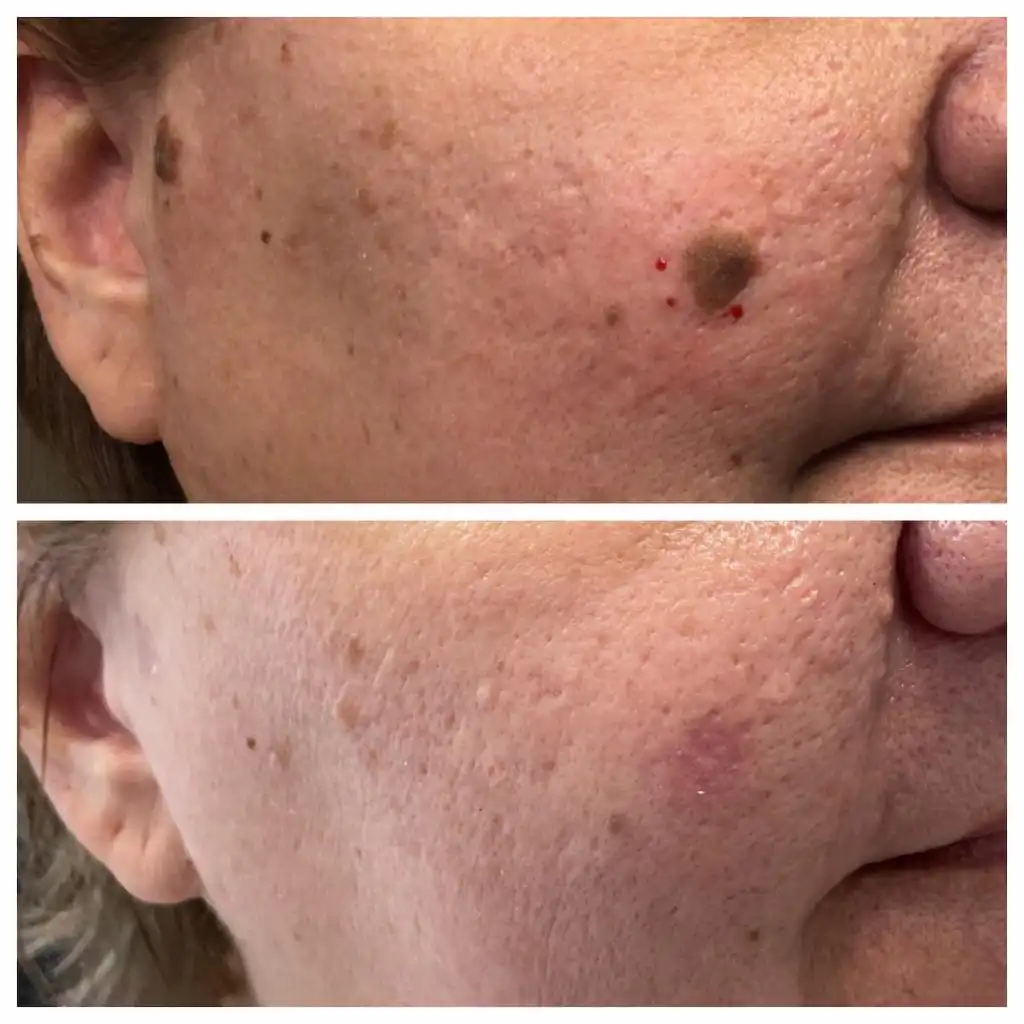
The Classic “Stuck-On” Appearance
The most recognizable feature of a seborrheic keratosis is its “stuck-on” appearance. Rather than blending into the surrounding skin, the growth sits on top of it, almost as if a drop of wax or a piece of clay had been pressed onto the surface. Many patients describe them as looking like barnacles. Other common characteristics include:
- A waxy, scaly, or slightly warty surface texture. Some feel smooth, while others are rough or crumbly to the touch.
- A color that ranges from light tan to brown to nearly black. A single growth can even contain several shades at once.
- A round or oval shape with a well-defined border.
- A size anywhere from a few millimeters to more than an inch across.
Seborrheic keratoses most often appear on the chest, back, shoulders, scalp, and face, though they can show up almost anywhere except the palms and soles. They tend to appear in midlife, become more numerous with age, and often run in families. Sun exposure may play a role, but these growths also appear on skin that rarely sees the sun.
How They Change Over Time
A seborrheic keratosis usually starts as a small, slightly raised, tan patch. Over months or years, it can thicken, darken, and develop its characteristic warty texture. Some stay flat and subtle; others become quite raised. They may itch, catch on clothing or jewelry, or become irritated if rubbed, but they are not contagious and do not turn into skin cancer.
Seborrheic Keratosis or Something Else?
This is the most important question, because several conditions can mimic one another. A seborrheic keratosis can resemble a common mole, a wart, or an actinic keratosis (a precancerous spot caused by sun damage). Most concerning, a dark or irregular seborrheic keratosis can resemble melanoma, and occasionally melanoma can hide among many harmless growths.
A few warning signs deserve a professional evaluation rather than a wait-and-see approach: a growth that bleeds, becomes painful, or ulcerates; a spot that changes quickly in size, shape, or color; a border that looks blurred or irregular rather than sharply defined; or a new dark growth that stands out from your other spots. If any spot on your skin gives you pause, a mole evaluation with a dermatologist can provide clarity, and regular skin cancer screenings are the most reliable way to catch anything suspicious early.
How a Dermatologist Confirms the Diagnosis
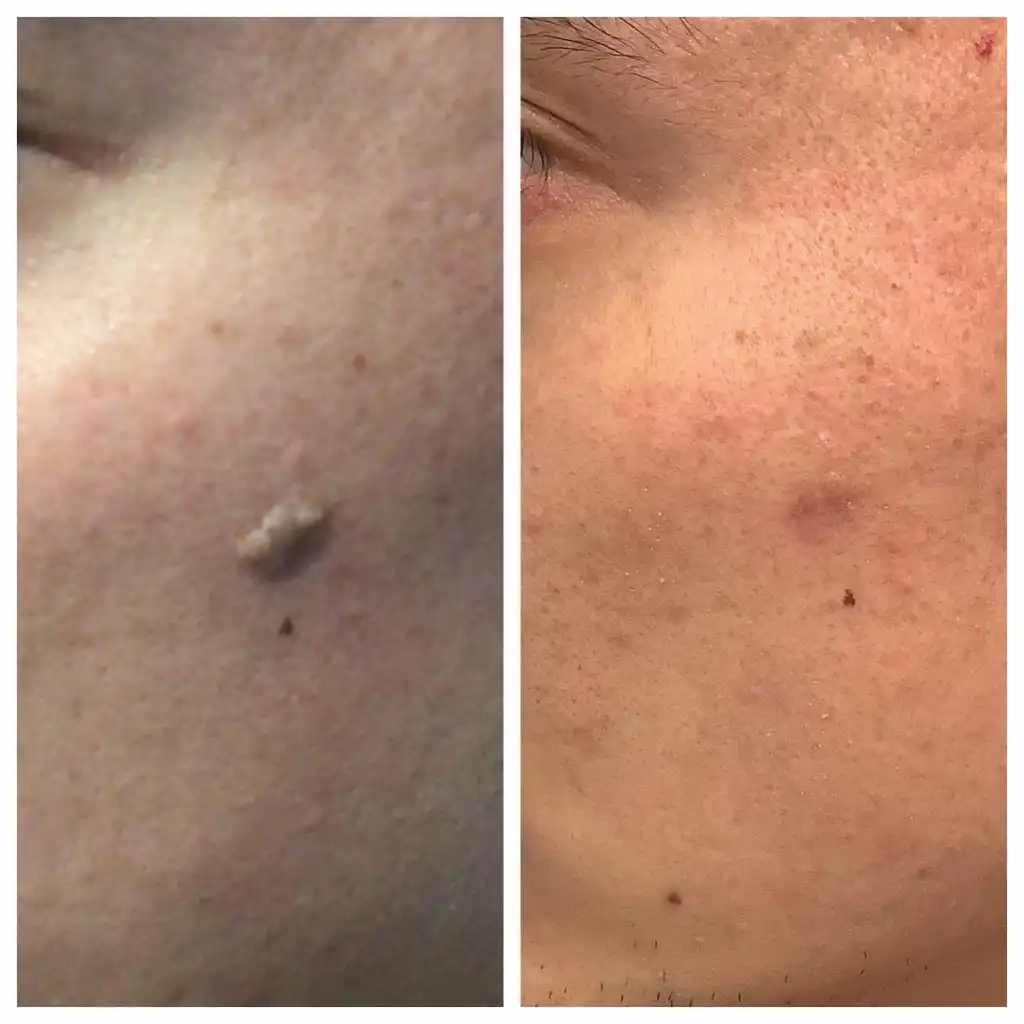
In most cases, a trained dermatologist can identify a seborrheic keratosis on sight, often with the help of a dermatoscope, a handheld magnifying instrument that reveals patterns invisible to the naked eye. If there is any doubt, a small biopsy can confirm the diagnosis. Dr. Brandon T. Beal, a double board-certified, fellowship-trained dermatologist, examines each growth carefully before recommending whether it should simply be monitored or removed.
Do Seborrheic Keratoses Need Treatment?
Because they are benign, treatment is optional. Many patients choose to leave them alone. Removal may be worth considering when a growth is frequently irritated, catches on clothing, bleeds, or is simply bothersome for cosmetic reasons. Common removal options include cryotherapy (freezing), shave removal, and curettage, depending on the individual growth and its location. These are quick, in-office procedures. Results vary, and a consultation is required to determine the best approach for your skin. Keep in mind that new growths can continue to appear over time even after others are removed, since removal does not change the underlying tendency to develop them.
When to Schedule a Skin Check
Even if you are confident a spot is a harmless seborrheic keratosis, an annual full-body skin exam is a smart habit, especially if you have many growths, a history of significant sun exposure, or a family history of skin cancer.
It is far better to have a benign spot confirmed than to let a concerning one go unchecked.
St. Louis Dermatology & Cosmetic Surgery welcomes patients from Troy, Moscow Mills, O’Fallon, and the surrounding communities.
Call (314) 834-1400 or request an appointment online to have your skin evaluated.