
A pimple that turns into a hard lump under the skin is often nodular acne or an inflamed cyst. Consider contacting us today for questions.
A pimple that starts out small and then hardens into a deep, tender lump under the skin can be frustrating, especially when it refuses to come to a head. This is one of the most common acne concerns we hear about at our Troy, MO practice. In most cases, the lump indicates that inflammation has progressed deeper into the skin and usually requires a different approach than a typical surface breakout.
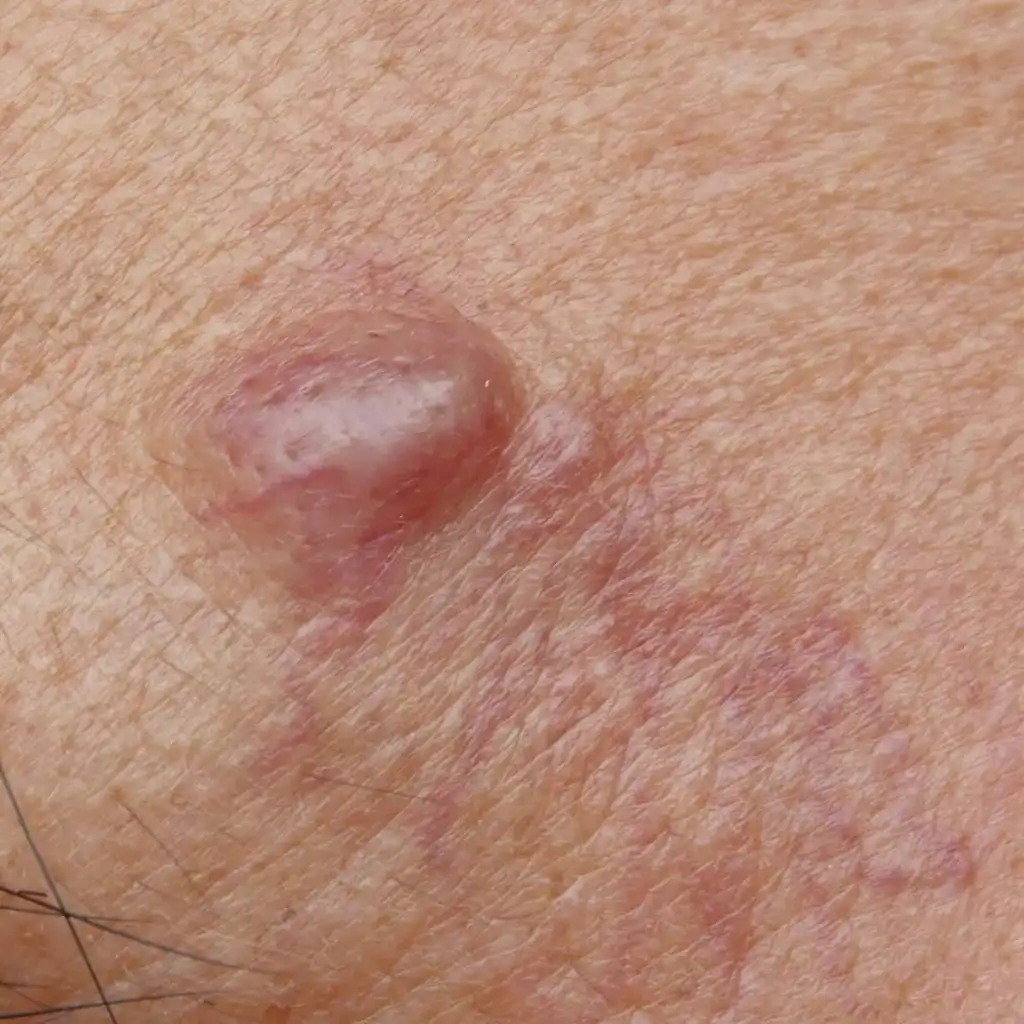
What Happens When a Pimple Turns Into a Hard Lump
Every pimple begins the same way: a pore becomes blocked with oil, dead skin cells, and bacteria. When the resulting inflammation stays near the surface, you get a familiar whitehead or small red bump that clears in a few days.
Sometimes, though, the wall of the clogged follicle breaks down beneath the surface. The contents leak into the surrounding tissue, and your immune system responds by walling off the area. The result is a firm, often painful lump that sits deep under the skin with no visible opening. Because the inflammation is buried, these lumps can take weeks to resolve on their own.
Nodular and Cystic Acne
Deep acne lesions generally fall into two categories. Nodules are solid, firm bumps that feel like a small knot under the skin. Cysts are softer, fluid- or pus-filled pockets that may feel slightly squishy. Both are considered more severe forms of acne, and both tend to resist over-the-counter creams and washes, which simply cannot reach that far below the surface.
If you notice these deep lumps appearing regularly, especially along the jawline, chin, or back, it is worth having a dermatologist evaluate your skin. Professional acne treatment can address the deeper inflammation that home products often miss.
When the Lump May Not Be Acne at All
Not every hard bump under the skin is a pimple. An epidermoid cyst, for example, is a slow-growing sac beneath the skin that can sit quietly for months or years. If it becomes inflamed or infected, it can swell quickly and look very much like a large, angry breakout. Unlike acne, these cysts often have a small central pore and tend to return in the same spot until the sac itself is removed. Persistent or recurring lumps like these may be candidates for cyst removal [link: /cyst-removal/] rather than acne care.
Why Squeezing Usually Makes It Worse
It is tempting to press on a deep lump, but squeezing rarely helps. Because there is no open channel to the surface, pressure tends to push the inflamed material deeper into the tissue. That can enlarge the lump, prolong healing, and raise the risk of lasting marks. Deep lesions are among the most common causes of pitted or discolored skin, which is why many patients later ask about acne scar treatment. Leaving the lump alone and treating it properly helps protect your skin.
How a Dermatologist Can Help
Treatment depends on what the lump actually is. For a painful acne nodule or cyst, an in-office cortisone injection may calm the inflammation within a few days. For ongoing breakouts, prescription options such as topical retinoids, oral antibiotics, hormonal therapy, or isotretinoin can help address the underlying causes, depending on the individual. If the lump turns out to be an epidermoid cyst, drainage or a simple excision may be recommended.
Dr. Brandon T. Beal, a double board-certified, fellowship-trained dermatologist, evaluates each lump carefully to identify what is happening beneath the surface before recommending a plan. Results vary, and a consultation is required to determine the right approach for your skin.
When to Schedule a Visit
Consider seeing a dermatologist if a lump has lasted more than a few weeks, keeps returning to the same spot, is painful or growing, or leaves marks behind. Deep breakouts often respond well once the right treatment is in place, and earlier care can help reduce the chance of scarring.
St. Louis Dermatology & Cosmetic Surgery welcomes patients from Troy, Wentzville, Lake St. Louis, and the surrounding communities.
Call (314) 834-1400 or request an appointment online to have your skin evaluated.