
Diagnosed with skin cancer and wondering about Mohs surgery? Learn how the procedure works, what to expect, and why precision matters.
Receiving a diagnosis of skin cancer — even a highly treatable form — can feel overwhelming. One of the first questions many patients ask after a diagnosis is what treatment looks like. If your dermatologist has recommended Mohs micrographic surgery, or if you’re simply researching your options, this post is intended to give you a clear, calm explanation of what the procedure is, how it works, and what to expect.
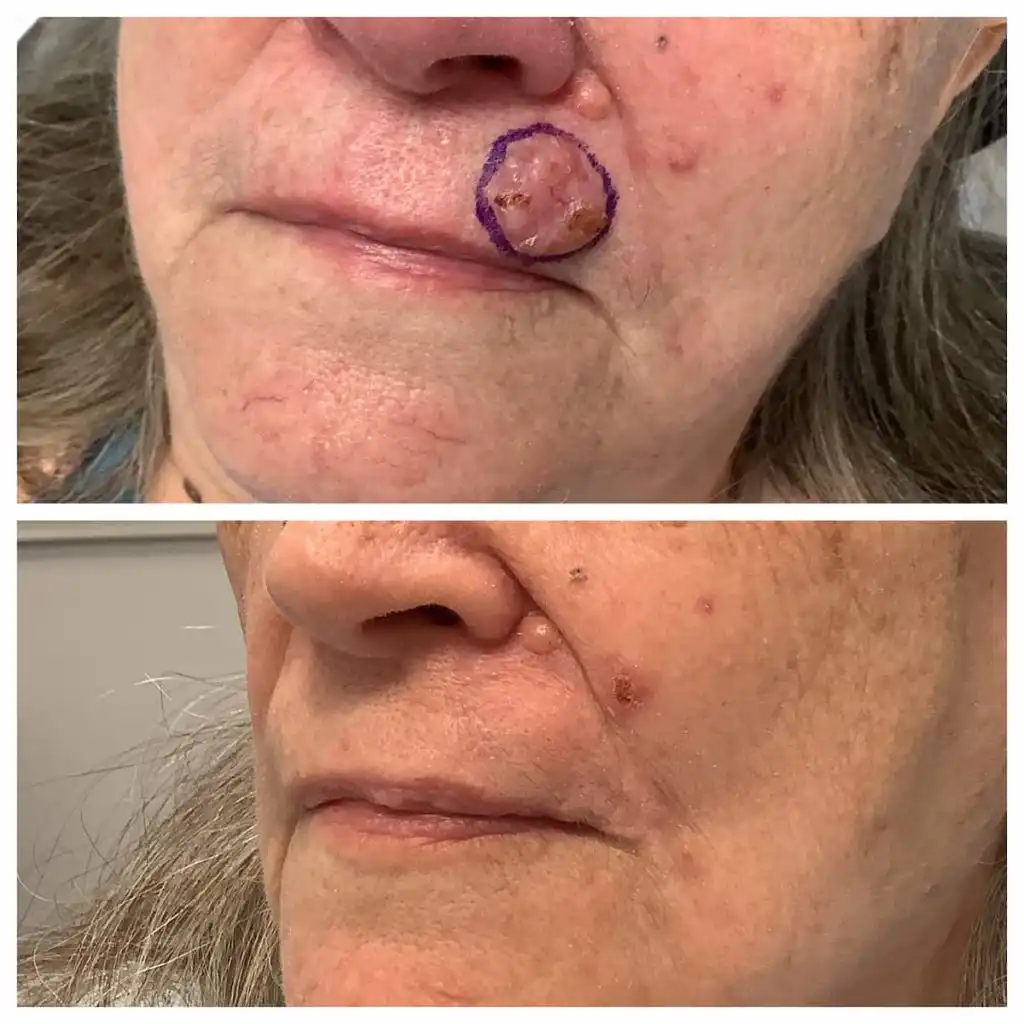
How Mohs Surgery Works
What makes Mohs surgery different from a standard excision is how tissue is evaluated during the procedure. Here is a straightforward breakdown of the process:
- The surgeon removes a thin layer of tissue from the area surrounding the visible tumor, along with a small margin of tissue around it
- That tissue is immediately processed and examined under a microscope by the same surgeon performing the procedure
- If cancer cells are detected at the margins, the surgeon maps exactly where they are and removes only that precise area in the next layer
- This process continues, one layer at a time, until the margins are completely clear of cancer cells
Because each layer is analyzed before the next is removed, Mohs surgery allows for the highest possible cure rates while removing the smallest amount of healthy tissue necessary. This precision is particularly valuable when the tumor is located near the eye, nose, ear, or lip — areas where tissue preservation directly affects both function and appearance.
What to Expect on the Day of Your Procedure
Mohs surgery is performed in the office under local anesthesia as an outpatient procedure. Most patients remain awake and comfortable throughout.
The procedure can take several hours, primarily because of the time required to process and examine each tissue layer between stages. Patients are typically asked to plan for a full morning or afternoon, though the actual time in the surgical chair is a fraction of that. Bringing something to read or listen to while you wait between stages is a common recommendation.
After the final layer is confirmed clear, your surgeon will discuss options for repairing the wound. Depending on the size and location of the defect, this may involve primary closure, a skin flap, a skin graft, or, in some cases, allowing the area to heal naturally. The repair is typically performed the same day.
Recovery and What Comes Next
Most patients return to normal daily activity within a day or two, though activity restrictions and wound care instructions will vary depending on the location and complexity of your repair. Your provider will give you specific post-operative guidance before you leave.
Follow-up is an important part of skin cancer care. Patients who have had one skin cancer are at elevated risk of developing additional lesions, and ongoing annual skin exams are generally recommended.
About Dr. Beal
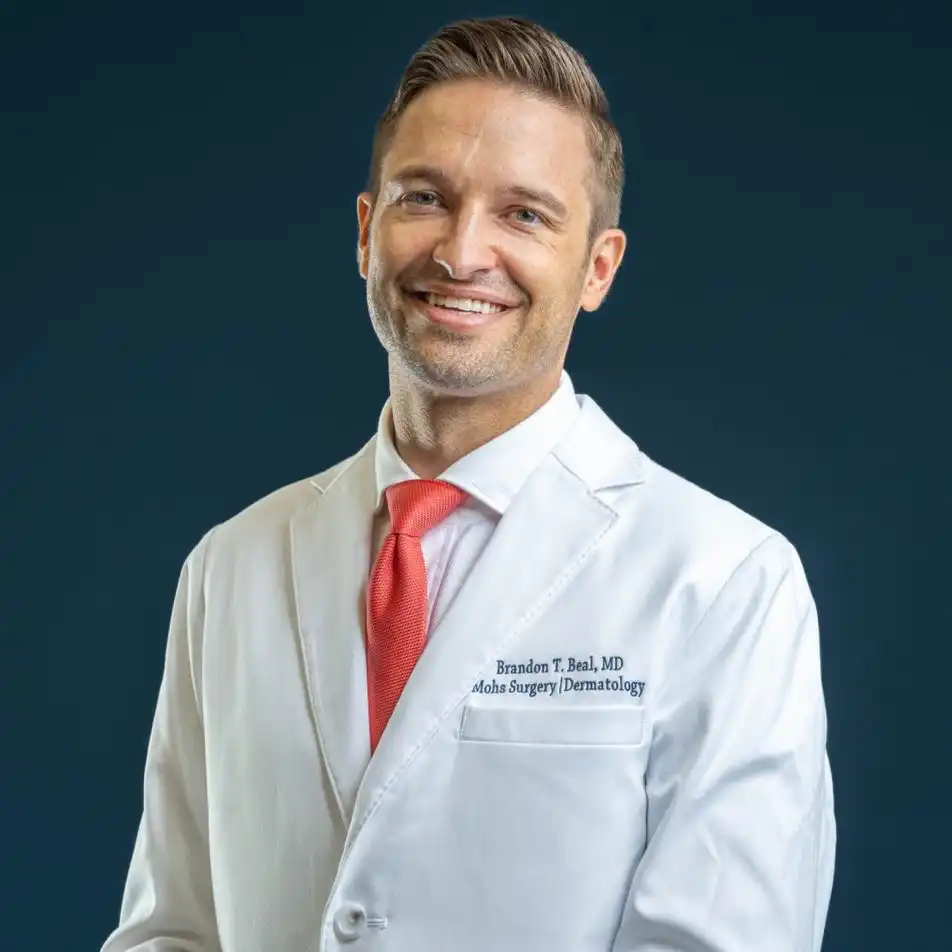
At St. Louis Dermatology & Cosmetic Surgery, Mohs micrographic surgery is performed by Dr. Brandon T. Beal. Dr. Beal is double board-certified in dermatology and is a Fellow of the American College of Mohs Surgery — one of the most recognized credentials in the field. He completed his fellowship training in Mohs surgery, facial plastic and reconstructive surgery, and dermatologic oncology at Zitelli & Brodland, PC, a nationally respected program. He has also published in peer-reviewed journals indexed in the National Library of Medicine.
Patients are seen as individuals. Every case is different, and treatment planning reflects the specific characteristics of your tumor, your skin, and your overall health history.
Serving Patients in Troy, MO and Surrounding Areas
St. Louis Dermatology & Cosmetic Surgery is a locally owned practice in Troy, Missouri. Patients from Lincoln County and surrounding communities — including Bowling Green, Eolia, Winfield, and Louisiana — are welcome to call our office to discuss a referral or to schedule a consultation.
If you have been diagnosed with basal cell carcinoma, squamous cell carcinoma, or another form of skin cancer and have questions about your treatment options, we encourage you to reach out. Call (314) 834-1400 or fill out our online contact form to set up an appointment.
GET IN TOUCH