
Get in touch with St. Louis Dermatology & Cosmetic Surgery. Call today or request an appointment online for expert skin care and cosmetic treatments.
Most people have a few moles — they’re common, usually harmless, and often appear in childhood or early adulthood. But not all moles are the same. SOME may be early warning signs of skin cancer, including melanoma, which can be life-threatening if not caught early.
Knowing what a suspicious mole looks like could help you recognize the early signs of trouble and seek professional care before it’s too late.
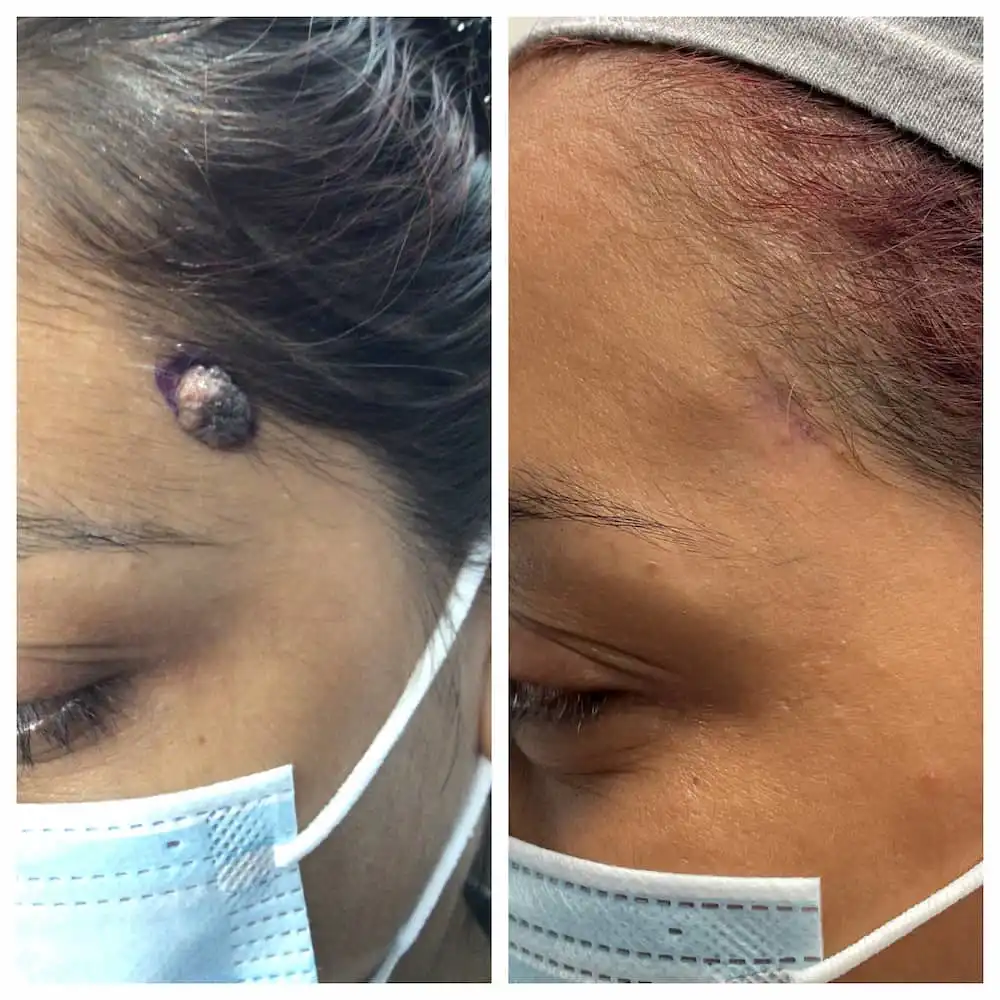
Why Paying Attention to Moles Matters
Moles are clusters of pigmented cells that usually appear as brown, black, or flesh-colored spots on the skin. Most remain benign, but certain changes in size, shape, or color may indicate something more serious.
Early detection is key: when caught in its earliest stages, melanoma has a survival rate of over 95%. That’s why it’s important to know which mole changes you shouldn’t ignore.
The ABCDE Rule of Suspicious Moles
Dermatologists use the ABCDE rule to help patients identify concerning moles:
- A – Asymmetry: One half of the mole doesn’t match the other.
- B – Border: Edges are irregular, blurred, or jagged.
- C – Color: Multiple colors (brown, black, red, white, or blue) within one mole.
- D – Diameter: Larger than 6 millimeters (about the size of a pencil eraser).
- E – Evolving: Changing in size, shape, color, or symptoms such as itching or bleeding.
If a mole meets one or more of these criteria, it’s time to schedule a professional evaluation.
Other Warning Signs Beyond ABCDE
While the ABCDE rule is a great guide, some suspicious moles may not fit neatly into these categories. Additional signs to watch for include:
- A mole that feels itchy, tender, or painful
- A mole that bleeds, oozes, or develops a crust
- A mole with a raised surface or a new bump
- A mole that looks different from the others (sometimes called the “ugly duckling” sign)
- A new mole that appears after age 30
What Do Harmless Moles Look Like?
It’s equally important to know what a normal mole looks like, so you can spot the difference:
- Usually uniform in color (tan, brown, or black)
- Round or oval with a smooth border
- Remain the same size and shape over time
- Typically smaller than a pencil eraser
Still, even “normal” moles can sometimes change. That’s why routine skin checks with a dermatologist are recommended, especially if you have many moles or a family history of skin cancer.
Risk Factors for Suspicious Moles
Some people are at higher risk of developing melanoma or other skin cancers from moles, including those who:
- Have fair skin, freckles, or light eyes
- Spend significant time in the sun without protection
- Use tanning beds
- Have a personal or family history of skin cancer
- Have 50 or more moles or atypical (dysplastic) moles
If you fall into one of these categories, annual (or even more frequent) dermatology visits are strongly recommended.
What to Do If You Notice a Suspicious Mole
If you see any changes in your moles, don’t wait. Here’s what you should do:
- Schedule a skin exam with a board-certified dermatologist.
- Document the mole — take a photo to track changes over time.
- Avoid picking or scratching at the mole, which can mask warning signs.
- Follow up regularly, even if your dermatologist says it’s not cancerous.
We perform skin cancer screenings, mole evaluations, and removals right in our office. If a mole looks concerning, we may recommend a biopsy to determine whether cancerous cells are present.
Protecting Your Skin
While not all suspicious moles can be prevented, practicing sun safety dramatically lowers your risk of developing skin cancer.
- Apply a broad-spectrum SPF 30+ sunscreen daily
- Wear protective clothing and wide-brimmed hats outdoors
- Avoid tanning beds
- Perform monthly self-skin checks at home
- Schedule annual dermatology exams
Why Choose St. Louis Dermatology & Cosmetic Surgery
When it comes to skin cancer prevention and mole removal, expertise matters. At our Troy, MO office, we provide:
- Board-certified dermatologists with advanced training
- On-site mole removal and biopsy procedures
- Personalized treatment plans for both medical and cosmetic needs
- Care for patients across Missouri
Schedule Your Skin Exam in Troy, MO
Don’t ignore the warning signs of a suspicious mole. Early detection could save your life.
📞 Call St. Louis Dermatology & Cosmetic Surgery today or book online to schedule your mole evaluation.
GET IN TOUCH