
Sun spots are not necessarily permanent, but they do indicate lasting sun damage that should be addressed both cosmetically and medically.
Many people notice brown or tan spots appearing on their skin — often on the face, hands, shoulders, or chest — after years of sun exposure. These spots, commonly called sun spots or age spots, are one of the most visible signs of long-term UV damage.
🌤 What Are Sun Spots?
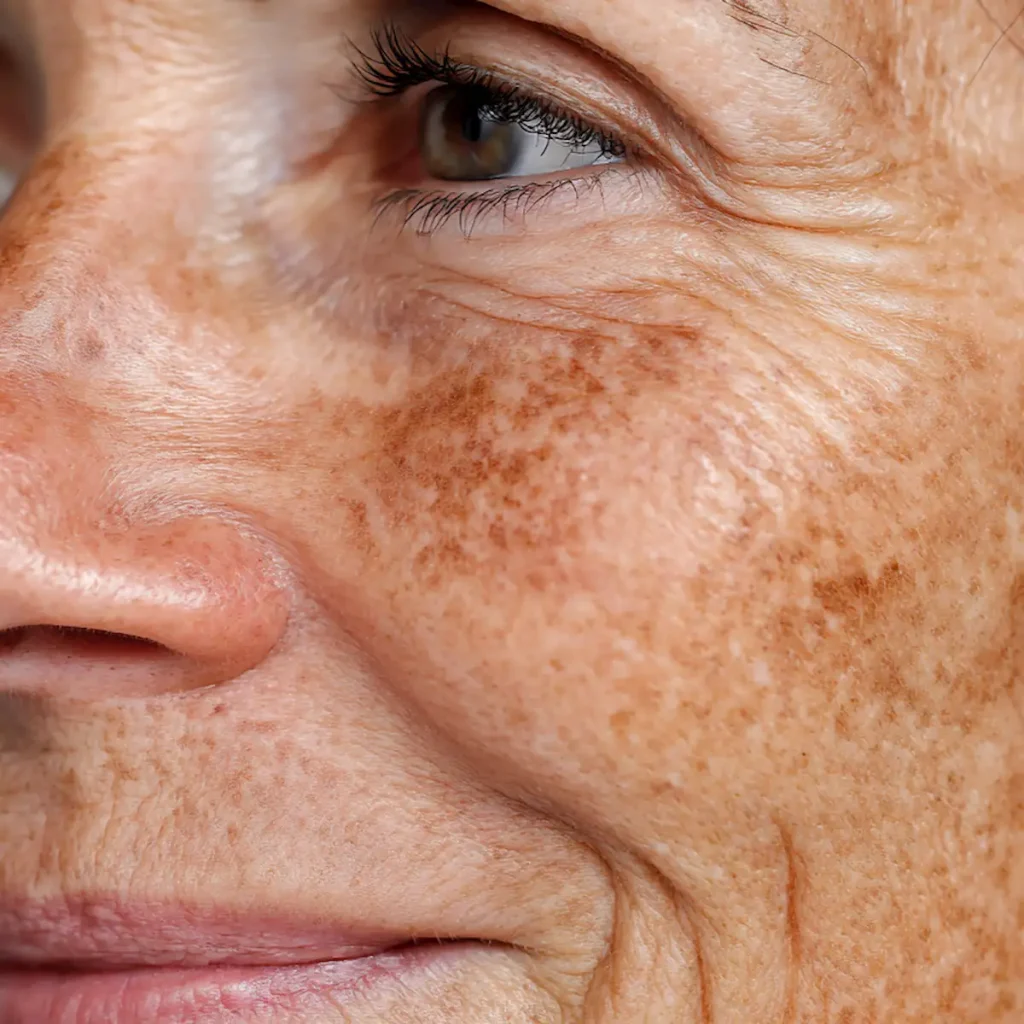
Sun spots (also known as solar lentigines or lentigo) are flat, brown, tan, or black areas of pigmentation that develop on sun-exposed skin over time.
They occur when melanin, the pigment that gives skin its color, becomes unevenly distributed after chronic ultraviolet (UV) radiation exposure. Unlike freckles, which may fade when sun exposure decreases, sun spots usually remain visible year-round.
Common Locations:
- Face (cheeks, forehead, and nose)
- Hands and forearms
- Chest and shoulders
- Upper back
🔬 What Causes Pigmentation Damage?
When UV rays penetrate the skin, they trigger melanocytes (pigment-producing cells) to produce more melanin as a protective response. Over time, repeated exposure causes these melanocytes to cluster or become overactive, resulting in visible discoloration or uneven tone.
Contributing factors include:
- Chronic sun exposure
- Tanning bed use
- Lack of daily sunscreen use
- Hormonal changes (e.g., pregnancy, menopause)
- Certain medications that increase photosensitivity
Even after the skin appears “healed” from sun exposure, underlying UV damage may persist and continue to produce pigment changes years later.
⚕️ Are Sun Spots Permanent?
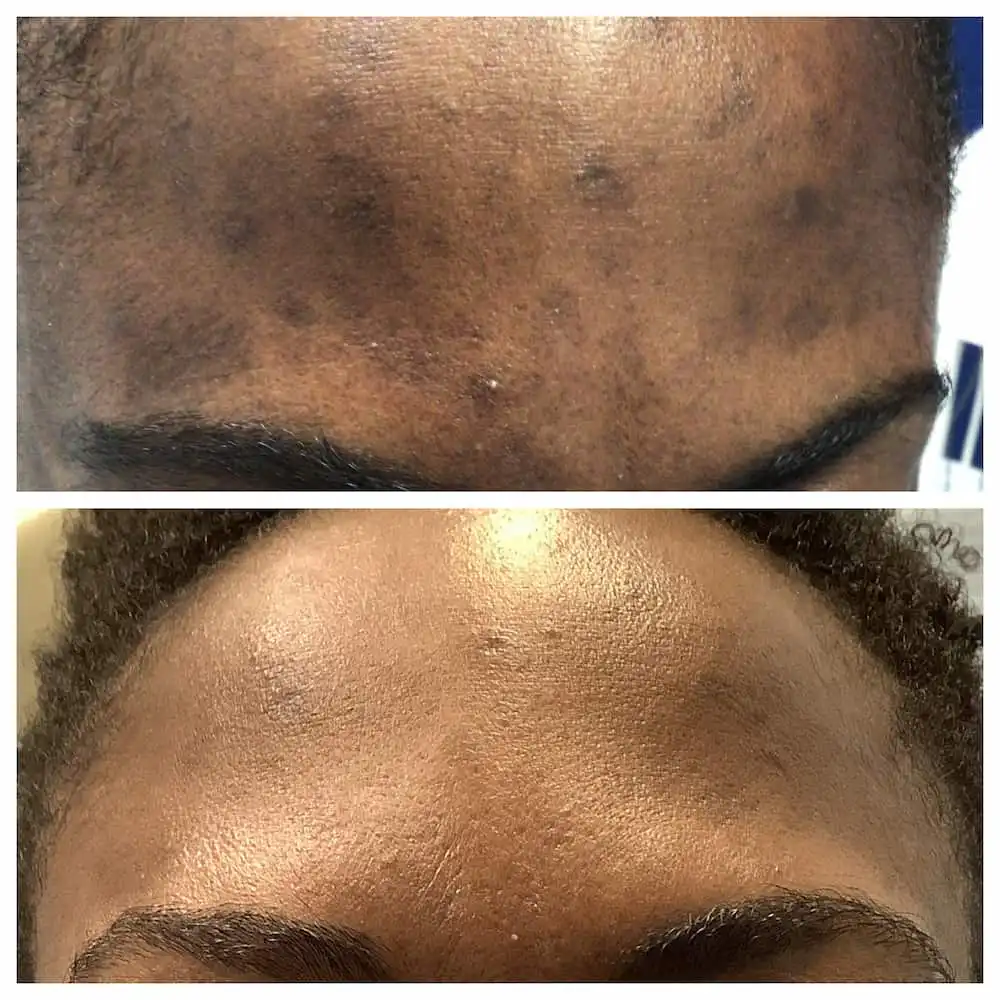
Sun spots can be long-lasting, but they are not necessarily permanent. With proper professional treatment and consistent at-home care, pigmentation can be lightened, reduced, or even eliminated in many cases.
However, once melanin overproduction has occurred, the skin remains more prone to new spots if not protected. That’s why prevention and maintenance are just as important as treatment.
🩺 How to Tell a Sun Spot from Something More Serious
While most sun spots are harmless, some pigmented lesions may resemble early skin cancers, including melanoma. It’s essential to have any new or changing spots evaluated by a dermatologist. Use the ABCDE rule to monitor your skin:
- A – Asymmetry: one half doesn’t match the other
- B – Border: edges are irregular or blurred
- C – Color: uneven or multiple colors
- D – Diameter: larger than 6 mm (about the size of a pencil eraser)
- E – Evolving: changes in color, size, or texture
If a spot meets any of these criteria, it should be examined promptly. Only a dermatologist can determine whether a lesion is benign or suspicious.
💆♀️ How We Treat Sun Spots
At St. Louis Dermatology & Cosmetic Surgery, we offer several evidence-based treatment options for sun-induced pigmentation damage.
Each plan is tailored to your skin type, goals, and overall skin health.
- Prescription Topical Treatments: Topical agents like hydroquinone, tretinoin, azelaic acid, or vitamin C may help lighten discoloration by regulating melanin production over time.
- Chemical Peels: Medical-grade chemical peels use controlled exfoliation to remove damaged outer layers of skin, encouraging new, evenly pigmented cells to replace them.
- Laser and Light Treatments: Laser therapy and intense pulsed light (IPL) are among the most effective ways to target and break down pigment beneath the skin’s surface. These treatments can significantly reduce visible sun spots and improve overall tone and texture.
- Microneedling: These minimally invasive procedures help resurface the skin and stimulate collagen production, promoting smoother, more radiant skin.
- Professional Skincare and Maintenance: Customized medical-grade skincare — including antioxidant serums, retinoids, and daily broad-spectrum sunscreen — supports and prolongs treatment results.
☀️ Preventing Future Pigmentation Damage
Once pigmentation is treated, prevention becomes essential to maintain results and protect long-term skin health. Simple daily habits can make a lasting difference:
- Use broad-spectrum sunscreen (SPF 30 or higher) every day, even when it’s cloudy.
- Reapply sunscreen every 2 hours when outdoors.
- Wear protective clothing and wide-brimmed hats.
- Avoid peak sun hours (10 a.m.–4 p.m.).
- Use antioxidant-rich skincare, such as vitamin C, to help neutralize free radicals from UV exposure.
Schedule a Consultation
If you’ve noticed new or darkening sun spots, or you’re unsure whether a place is benign, our dermatology team can provide a professional evaluation and personalized treatment plan.
Schedule a consultation at our Troy, MO office to learn more about safe, effective options for sun spot removal and skin rejuvenation.
GET IN TOUCH