
Preparing for Mohs surgery? Get a clear walkthrough of what happens before, during, and after this precise skin cancer removal procedure.
Hearing that you need Mohs surgery can bring up a lot of questions, especially if you’re not familiar with what the procedure actually involves. Mohs micrographic surgery is a precise, well-established technique for removing certain skin cancers, and knowing what to expect at each stage can make the process feel far less unfamiliar.

What Is Mohs Surgery?
Mohs surgery is a specialized technique for removing skin cancer one thin layer at a time, examining each layer under a microscope immediately, and continuing only until no cancer cells remain. This layer-by-layer approach allows the surgeon to remove the cancer completely while preserving as much healthy surrounding tissue as possible. It’s most often used for basal cell carcinoma and squamous cell carcinoma, particularly on the face, ears, scalp, hands, and other areas where preserving healthy tissue and minimizing scarring matter most.
Why Mohs Is Different From Other Skin Cancer Removal Methods
With a standard excision, a surgeon removes the visible tumor along with a margin of surrounding tissue, then sends it to an outside lab for analysis, often taking days to confirm whether the margins are clear. With Mohs, the analysis happens on-site, in real time, while you wait. This means the surgeon knows immediately whether more tissue needs to be removed, rather than needing a second procedure later if margins come back positive.
Before Your Mohs Surgery
Your care team will give you specific pre-procedure instructions, but common guidance includes:
- Avoiding blood-thinning medications and supplements (such as aspirin, ibuprofen, or fish oil) for a period before surgery, unless a physician has directed you to stay on them
- Eating a normal meal beforehand, since the procedure is done under local anesthesia
- Arranging for someone to drive you home, especially if the surgery site will require a larger repair
- Wearing comfortable clothing and, if possible, something that won’t need to be pulled over your head afterward
- Planning to set aside the better part of a day, since the exact number of layers needed can’t be predicted in advance
Let your provider know about any medications, allergies, or health conditions ahead of time so the team can plan accordingly.
What Happens the Day of Surgery
Mohs surgery is performed in stages, and the total time varies from patient to patient depending on how many layers are needed. A typical visit looks like this:
- Numbing the area. The site is cleaned and numbed with a local anesthetic, so you’re awake and comfortable throughout.
- Removing the first layer. The visible cancer, along with a thin margin of tissue, is removed.
- Lab analysis. While you wait nearby, often with a bandage over the site, the tissue is processed and examined under a microscope to check for remaining cancer cells.
- Repeating as needed. If cancer cells are found at the edges, another thin layer is removed from that specific area and examined again. This continues, layer by layer, until the margins are clear.
- Waiting between layers. Because each round of lab analysis takes time, there can be waiting periods between layers. Bringing something to read or listen to can help pass the time.
Once the margins are confirmed clear, the surgeon will discuss the best way to close or repair the site, which might mean stitches, a skin flap, a graft, or in some cases allowing it to heal on its own, depending on the size and location of the wound.
After Your Mohs Surgery
Recovery expectations depend largely on the size and location of the surgical site and the type of repair performed. General aftercare typically includes:
- Keeping the area clean and following the specific wound care instructions you’re given
- Applying ointment and changing dressings as directed
- Avoiding strenuous activity or heavy lifting for a period while the area heals
- Watching for signs of infection, such as increasing redness, swelling, or discharge
- Attending any follow-up appointments to check healing and, if stitches were used, to have them removed
Some swelling, bruising, or mild discomfort in the days after surgery is common. Most patients can return to normal daily activities within a short time, though this varies based on the extent of the repair.
What About Scarring?
Because Mohs surgery removes only the tissue that contains cancer cells, it generally results in a smaller wound than other removal methods would require for the same case. Even so, some degree of scarring is expected with any skin cancer removal, and your surgeon will discuss the repair approach that best supports healing and appearance for your specific case.
Why Precision Matters, Especially on the Face
Mohs surgery’s layer-by-layer precision is especially valuable in areas like the face, ears, nose, and hands, where preserving healthy tissue can matter both functionally and cosmetically. This is one reason Mohs is often recommended for skin cancers in these more visible or delicate areas rather than a standard excision.
Who Performs Your Mohs Surgery Matters
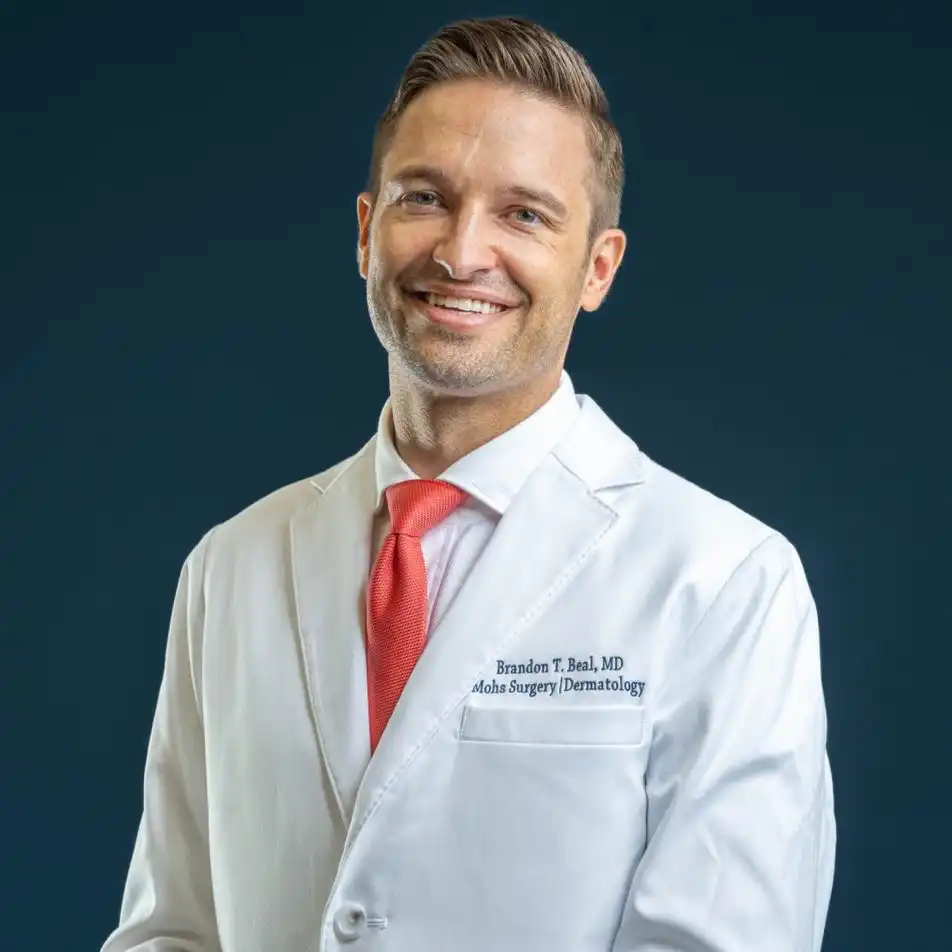
Mohs surgery requires specialized fellowship training beyond general dermatology or surgical training. Dr. Brandon T. Beal is double board-certified and fellowship-trained in Mohs micrographic surgery, meaning he’s trained specifically in both the surgical removal and the pathology review that makes this technique effective.
Consider Contacting Us Today
If you’ve been told you need Mohs surgery, or a recent skin cancer screening flagged something that may need this type of treatment, our team can walk you through what your specific procedure will likely involve. Contact us today by calling (314) 834-1400 or using our online contact form.