
Are frown lines permanent? Learn what causes them, how treatments like Botox may help soften their appearance, and when to consider care in Troy, MO.
Frown lines—often called “11 lines” between the eyebrows—are one of the most common facial aging concerns. They can make the face appear tired, tense, or older than you feel. A question many patients ask is: Are frown lines permanent, or can they be treated?
The answer depends on how the lines formed, how long they’ve been present, and what type of treatment is used. In many cases, frown lines can be significantly improved, even if they cannot be completely erased.
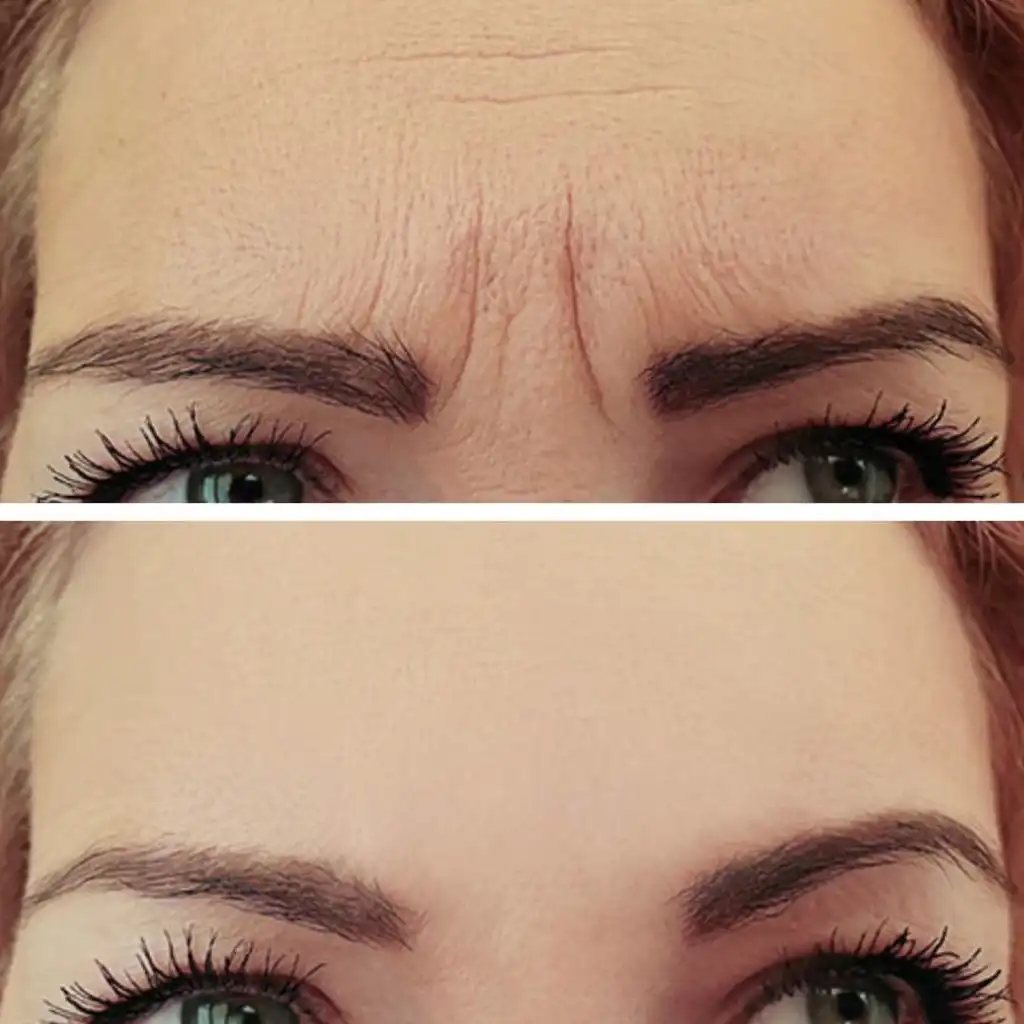
What Causes Frown Lines?
Frown lines develop primarily due to repeated muscle movement over time. Each time you:
- Squint
- Concentrate
- Furrow your brows
The underlying muscles contract, causing the skin to fold. Over time, two key changes occur:
- Repetition of movement creates visible lines
- Collagen and elasticity decrease with age
This combination leads to lines that may eventually remain visible—even at rest.
Dynamic vs Static Frown Lines
Understanding the difference between these two types is important when considering treatment.
Dynamic Frown Lines
- Appear only with facial movement
- Typically seen in earlier stages
- Often more responsive to treatment
Static Frown Lines
- Visible even when the face is at rest
- Develop over time as skin structure changes
- May require combination treatment approaches
Are Frown Lines Permanent?
Frown lines are not necessarily “permanent,” but they can become more persistent over time if left untreated.
- Early-stage lines may soften or resolve when muscle activity is reduced
- Established lines may remain visible, but can often be improved
Rather than complete removal, treatment typically focuses on:
- Softening the appearance
- Preventing deeper line formation
- Improving overall skin quality
What Treatment Can Do
Modern dermatologic treatments are designed to address both the cause and the appearance of frown lines.
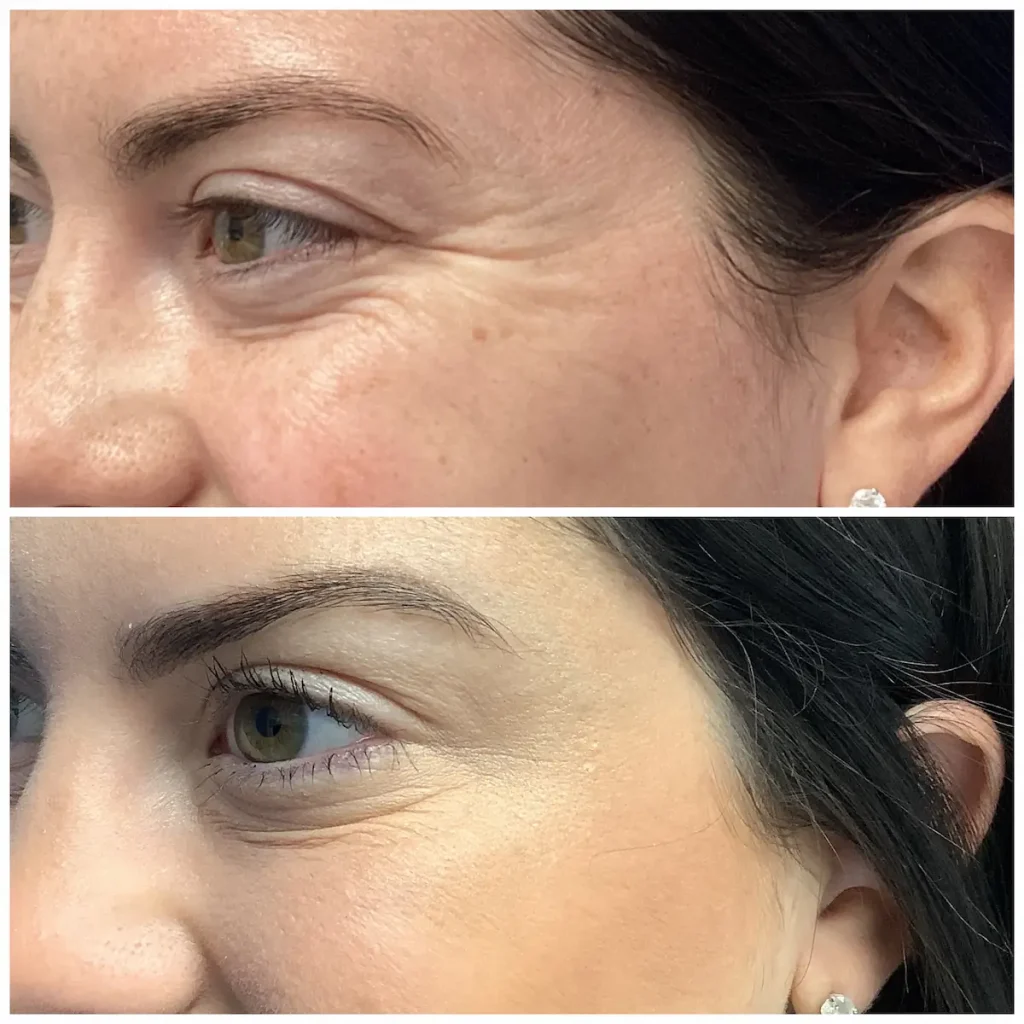
Neuromodulators (e.g., Botox® and similar products)
These treatments work by temporarily relaxing the muscles that cause frown lines. They may:
- Reduce the appearance of lines during expression
- Help prevent lines from becoming deeper over time
- Soften existing lines with repeated treatment
Results are temporary and typically require ongoing maintenance.
Skin-Rejuvenating Treatments
For more established (static) lines, additional treatments may be considered to improve skin quality:
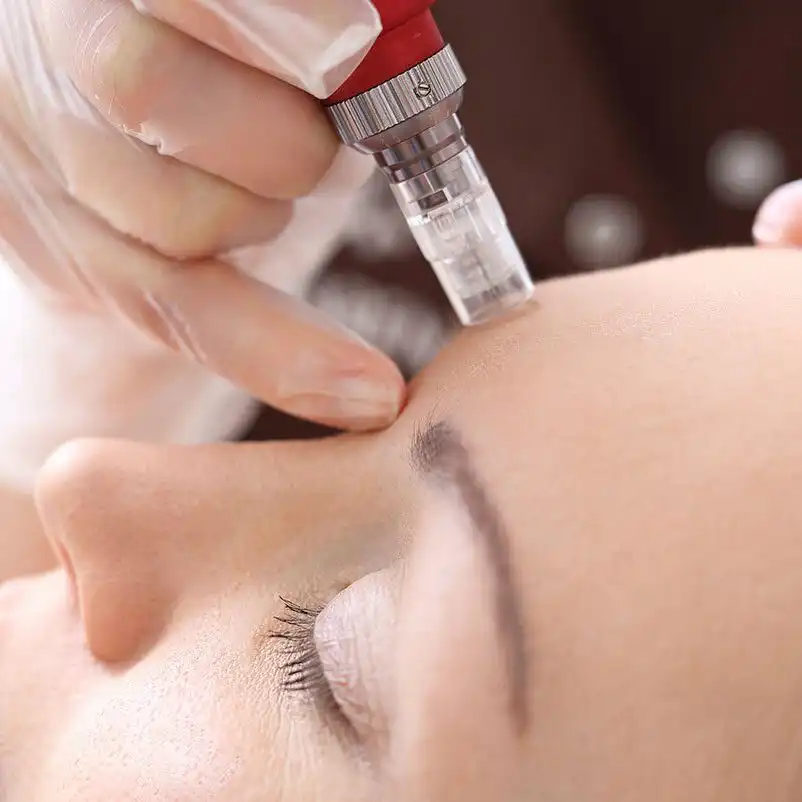
- Collagen-stimulating procedures
- Laser-based treatments
- Microneedling
These approaches aim to:
- Improve skin texture
- Support collagen remodeling
- Enhance overall appearance
Often, a combination approach provides the most noticeable improvement.
What Treatment Cannot Do
It is important to set realistic expectations. Treatment typically cannot:
- Permanently eliminate all lines
- Stop the natural aging process
- Produce identical results for every patient
Instead, treatment is designed to provide gradual, natural-looking improvement.
When to Consider Treatment
Patients often consider treatment when:
- Frown lines remain visible at rest
- Makeup begins to settle into lines
- Facial expressions appear more tense or tired than intended
- They are interested in prevention as well as correction
Early treatment may help reduce progression, while later treatment can still offer meaningful improvement.
The Role of Preventative Care
Preventative care can help manage frown lines over time. This may include:
- Sun protection (to reduce collagen breakdown)
- Consistent skincare
- Early intervention when dynamic lines first appear
A proactive approach can help maintain smoother skin longer.
Expert Care in Troy, MO
At St. Louis Dermatology & Cosmetic Surgery, treatment plans are tailored to each patient’s goals, anatomy, and skin condition.
Dr. Brandon T. Beal is a double board-certified Mohs Micrographic Surgeon and Cosmetic Dermatologist with advanced training in facial procedures and minimally invasive treatments. Care is based on evidence-based techniques and a patient-centered approach.
Schedule a Consultation With Us Today
If you are considering treatment for frown lines, a consultation can help you understand your options and what results may be possible.
Contact us today by calling (314) 834-1400 or filling out our online contact form.
GET IN TOUCH