
Find out how subcision works for acne scars, how it’s performed, and what recovery looks like. Contact St. Louis Dermatology & Cosmetic Surgery today.
If you’ve struggled with acne scars that just won’t fade, you’re not alone. Many people experience long-lasting skin texture changes after acne — especially those deep, pitted, or “rolling” scars that can affect confidence and self-image. One of the most effective, minimally invasive treatments for these scars is subcision — a procedure designed to lift and smooth depressed acne scars by releasing the tight bands of scar tissue beneath the skin.
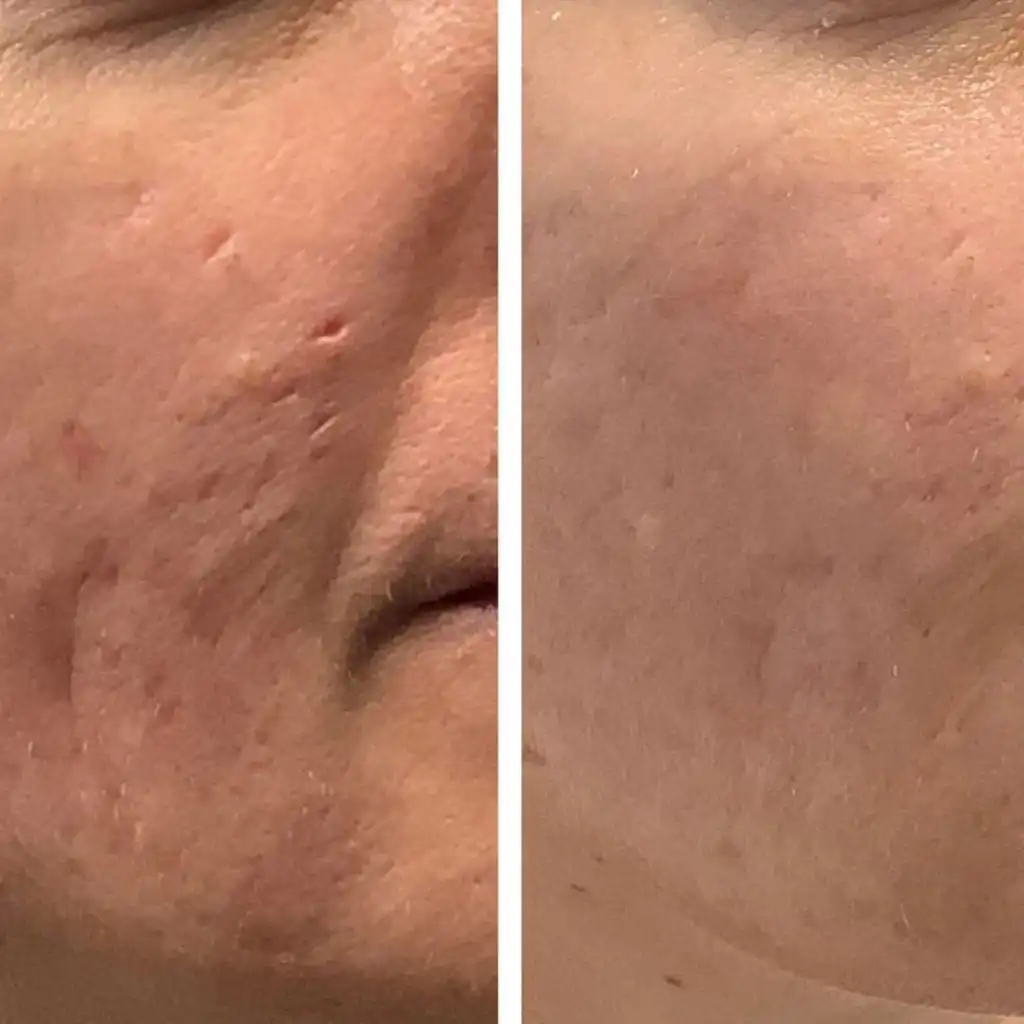
What Is Subcision?
Subcision (short for “subcutaneous incisionless surgery”) is a minor dermatologic procedure that helps improve the appearance of certain types of acne scars, particularly those that look indented or tethered to deeper layers of skin.
During subcision, your provider uses a fine, specialized needle to gently break up the fibrous scar tissue beneath the surface. This releases the “tether,” allowing the skin to lift naturally. The process also stimulates your body’s natural collagen production, which helps smooth and firm the area over time.
Best suited for:
- Rolling acne scars
- Depressed or atrophic scars
- Some surgical or injury-related scars
Subcision is often combined with other treatments — such as microneedling, laser resurfacing, or dermal fillers — for enhanced, longer-lasting results.
Before Your Subcision: Consultation & Preparation
Step 1: Evaluation
Every successful treatment begins with a thorough consultation. During your visit at our Troy office, your dermatologist will:
- Examine the type, depth, and pattern of your acne scars
- Review your medical history, medications, and prior treatments
- Discuss realistic expectations and create a customized plan
Because acne scarring varies from person to person, your provider may recommend combining subcision with other procedures for optimal improvement.
Step 2: Preparing for Treatment
Preparation for subcision is simple:
- Avoid blood-thinning medications or supplements (unless prescribed) for several days before treatment to reduce bruising.
- Come with clean skin — no makeup, lotion, or sunscreen on the day of your procedure.
- If you’re prone to bruising, an oral arnica supplement (with your provider’s approval) may help minimize discoloration afterward.
During the Procedure: What to Expect
A typical subcision treatment takes 30 to 60 minutes, depending on the size of the area being treated.
Step 1: Numbing & Comfort
A local anesthetic is applied to ensure comfort throughout the procedure. You’ll feel very little, if any, discomfort once the area is numb.
Step 2: The Subcision Process
Using a fine needle or cannula, your provider carefully inserts the instrument beneath each scar and makes gentle sweeping motions to break the fibrous bands tethering the scar to deeper tissue.
You may feel light pressure or a subtle tugging sensation — but no sharp pain. Small amounts of bleeding or swelling are normal and temporary.
Step 3: Post-Treatment Care
After the session, your provider may apply a gentle dressing or ice pack. Mild bruising and swelling can occur, lasting several days to a week.
After Subcision: Recovery & Results
Short-Term Recovery
Most patients can return to work or normal activities within 1–2 days, though minor bruising or tenderness may linger for about a week.
To support healing:
- Apply ice for the first 24 hours as needed
- Avoid vigorous exercise for 48 hours
- Keep the area clean and moisturized
- Avoid direct sun exposure until the skin has fully recovered
Long-Term Results
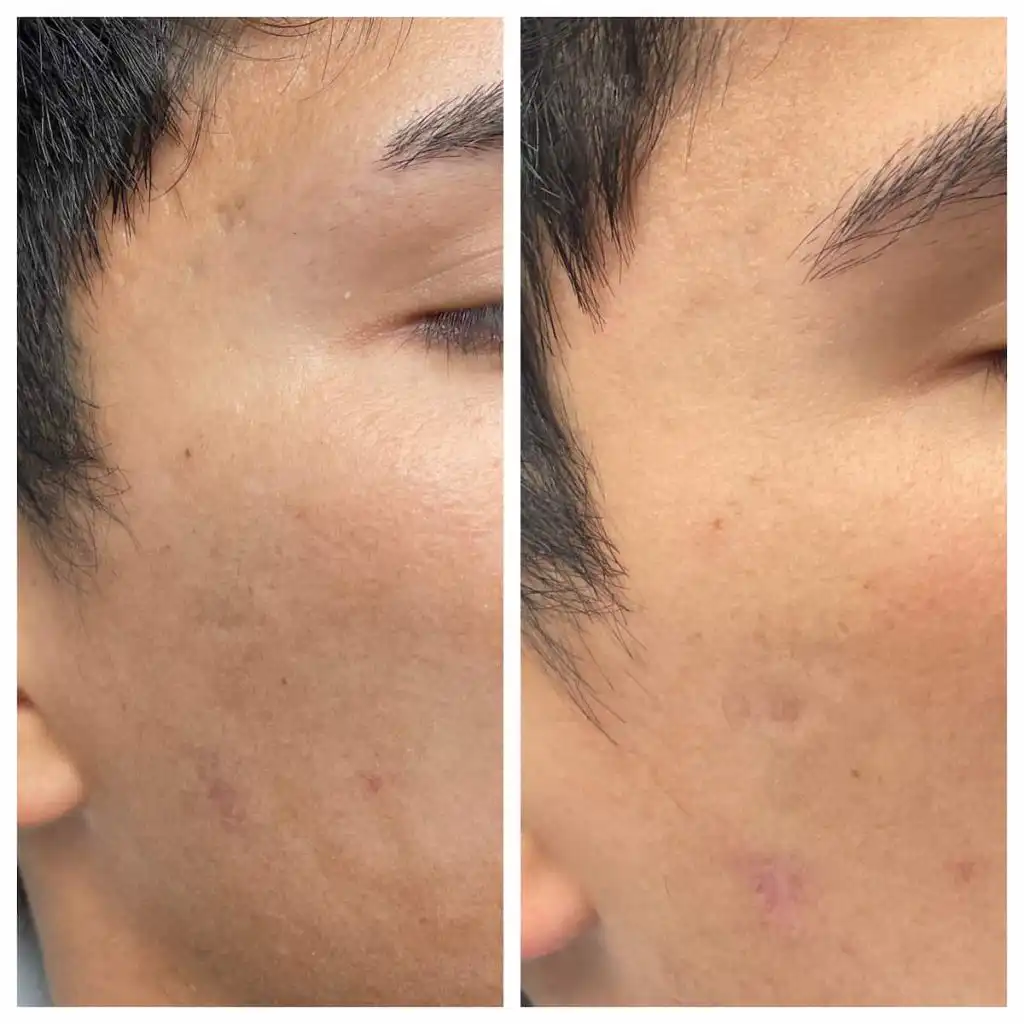
You’ll begin noticing smoother, more even skin texture as swelling subsides and new collagen develops — typically within a few weeks.
For optimal improvement, your provider may recommend a series of treatments, spaced 4–6 weeks apart. Many patients see significant improvement after just 1–3 sessions, depending on scar severity and skin type.
Why Choose St. Louis Dermatology & Cosmetic Surgery for Subcision?
At St. Louis Dermatology & Cosmetic Surgery, your care is provided by trusted, locally based dermatology professionals who understand both the medical and cosmetic sides of acne scar treatment. We take a personalized, medically directed approach — focusing on safe, effective outcomes supported by the latest dermatologic science.
Ready to Smooth Acne Scars and Restore Confidence?
If acne scars have affected how you feel about your skin, subcision may be a safe and effective solution. Schedule a consultation at our Troy, MO office to discuss your treatment options and get a personalized plan tailored to your skin.
GET IN TOUCH