
Struggling with acne scars? Discover effective treatments like microneedling and laser therapy for smoother, clearer skin!
Acne scars can be a lingering reminder of past breakouts, affecting both your skin and confidence. While not everyone who experiences acne will develop scars, understanding the types of scars and the available treatment options is crucial for those who do.
Ready to say goodbye to acne scars? Contact us today to schedule a consultation and explore your treatment options!
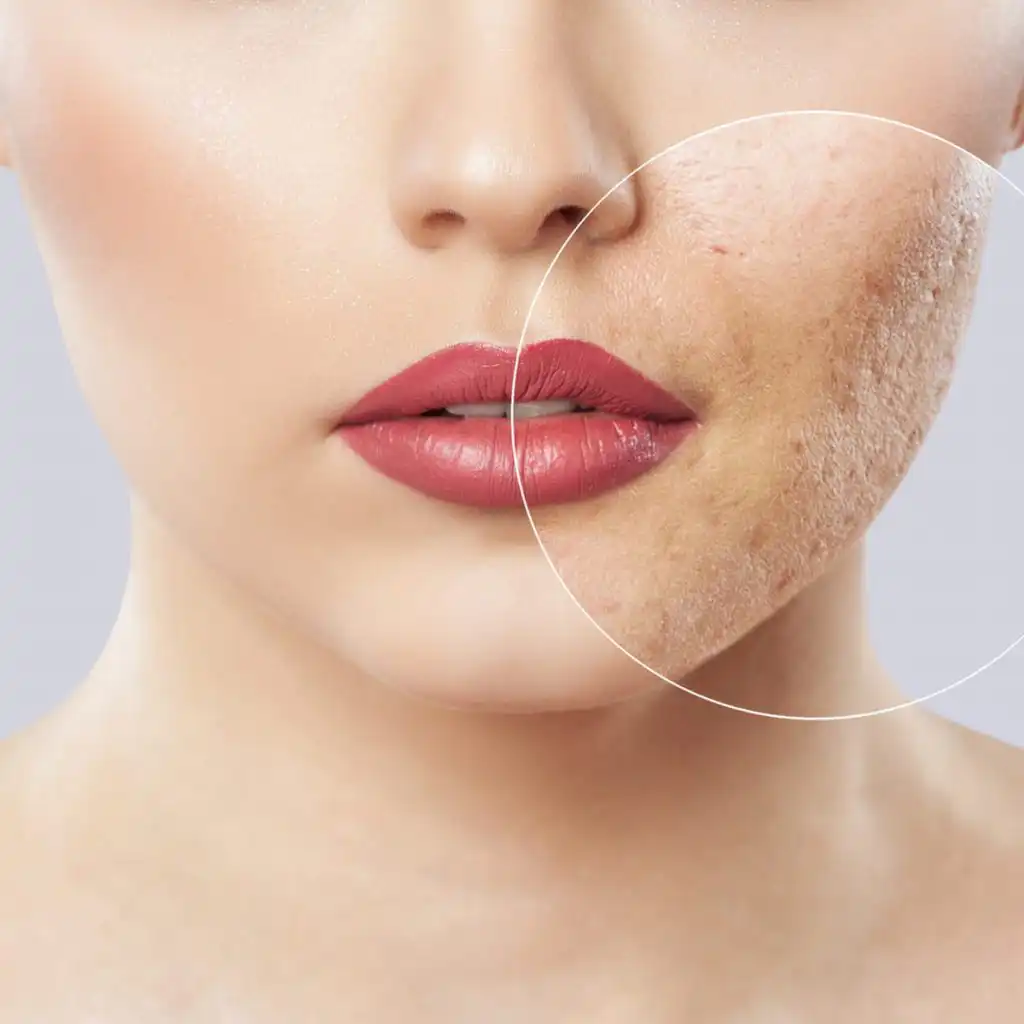
What Causes Acne Scars?
Acne scars form due to inflammation in the skin’s deeper layers. When the acne lesion penetrates deeply, it damages the surrounding tissue. As your body heals, it produces collagen to repair the damage, but the amount of collagen produced can either be too little or too much, leading to different types of scars.
Types of Acne Scars
Understanding the type of scars you have is essential in choosing the proper treatment. Here are the main types:
- Atrophic Scars (Depressed Scars)
- These scars form when the skin doesn’t produce enough collagen during healing.
- Subtypes:
- Ice Pick Scars: Narrow, deep pits resembling a puncture.
- Boxcar Scars: Broad, rectangular depressions with defined edges.
- Rolling Scars: Undulating, wavy scars caused by tethered skin tissue.
- Hypertrophic Scars (Raised Scars)
- This results from excess collagen production, which forms raised, thick scars.
- It is more common on the chest, back, and shoulders.
- Keloid Scars
- Similar to hypertrophic scars, they extend beyond the original acne site.
- Often more prominent and severe, these scars can cause discomfort or itchiness.
- Post-Inflammatory Hyperpigmentation (PIH)
- It’s not an actual scar, but dark or red spots left after acne heals.
- These spots typically fade over time but can persist without treatment.
Treatment Options for Acne Scars
Thanks to dermatology advancements, numerous effective treatments for acne scars exist. The best approach depends on your scar, skin, and personal goals.
Topical Treatments
Topical treatments are often the first defense for mild scarring or discoloration.
- Retinoids: Stimulate collagen production and accelerate skin cell turnover, improving texture over time.
- Vitamin C Serums: Help lighten dark spots and even out skin tone.
- AHAs and BHAs (e.g., Glycolic Acid, Salicylic Acid): Exfoliate the skin’s surface and promote new skin growth, improving mild scars.
- Pros:
- Non-invasive
- Suitable for all skin types
- Improves overall skin texture
- Cons:
- Limited efficacy for deep scars
- Requires consistent, long-term use
Chemical Peels
Chemical peels use acids to exfoliate and remove the outer layer of skin, encouraging new skin growth.
- Light Peels: Address mild scarring and discoloration.
- Medium to Deep Peels: Target more severe scarring by penetrating deeper layers of skin.
- Pros:
- Can improve both texture and pigmentation
- Minimal downtime with light peels
- Cons:
- It may require multiple sessions
- Medium and deep peels can involve more downtime and risk of side effects
Microneedling
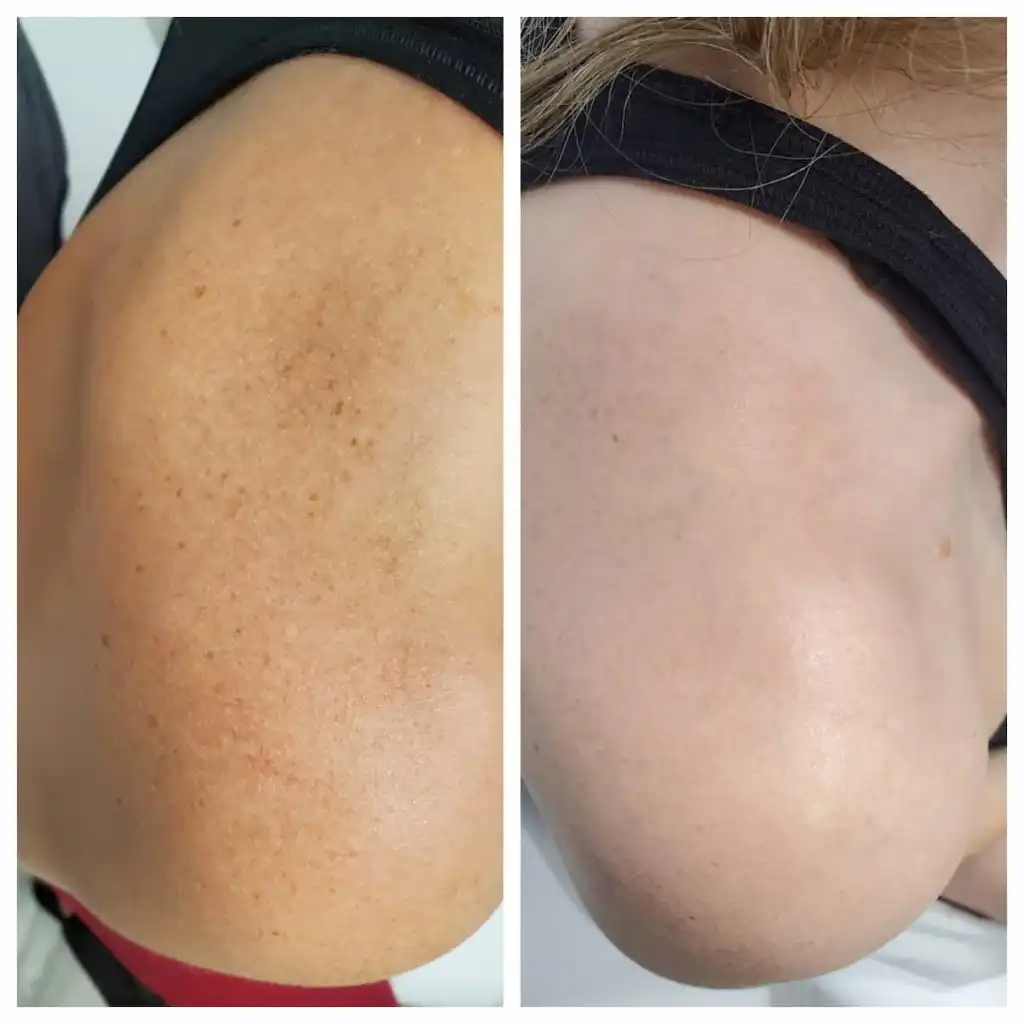
Microneedling involves using tiny needles to create micro-injuries in the skin. This process stimulates the body’s natural wound-healing process and promotes collagen production. It is ideal for rolling scars and some types of boxcar scars.
- Pros:
- Improves texture and firmness
- Can be combined with serums or PRP (Platelet-Rich Plasma) for enhanced results
- Cons:
- Requires multiple sessions
- Temporary redness and swelling post-treatment
Laser Treatments
Laser treatments are among the most effective methods for treating acne scars, with several types to consider:
- Ablative Lasers (e.g., CO2, Erbium YAG): Remove the top layer of skin, smoothing out scars.
- Non-Ablative Lasers (e.g., Fraxel): Stimulate collagen production without removing the outer layer of skin.
- Pulsed Dye Lasers (PDL): Target redness and discoloration associated with scars.
- Pros:
- Highly effective for both texture and pigmentation issues
- Long-lasting results
- Cons:
- Ablative lasers can involve significant downtime
- Multiple sessions may be needed
Dermal Fillers
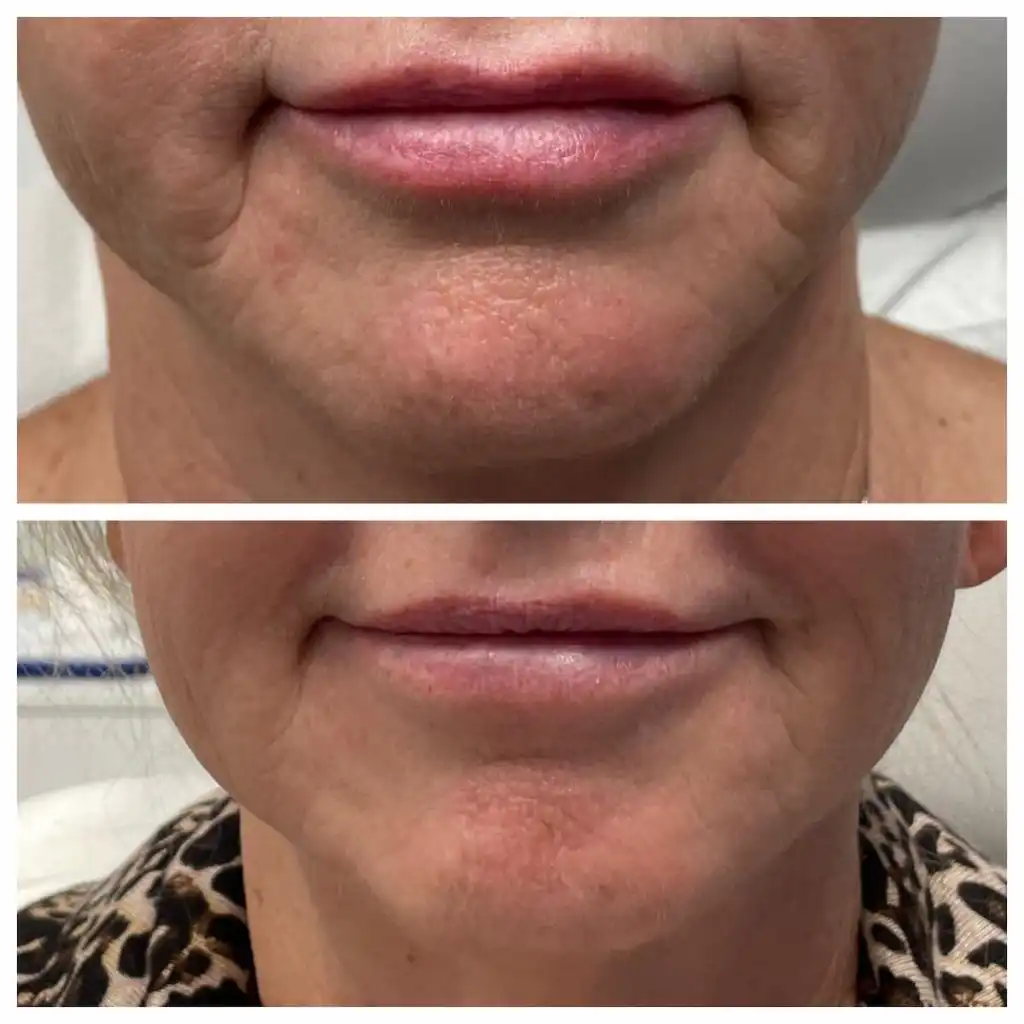
For atrophic scars, especially rolling and boxcar scars, dermal fillers can be injected to raise depressed areas and smooth the skin’s surface.
- Pros:
- Immediate improvement
- Minimal downtime
- Cons:
- Temporary results (6-12 months)
- May require repeated treatments
Subcision
Subcision is a minor surgical procedure in which a dermatologist uses a needle to break up the fibrous tissue, tethering the scar to deeper layers of skin. This allows the skin to lift and flatten the scar, making subcision procedures ideal for rolling scars.
- Pros:
- Effective for deeper scars
- It can be combined with other treatments like fillers or microneedling
- Cons:
- It may cause bruising or swelling
- Requires downtime
Combining Treatments for Best Results
The most effective way to treat acne scars is often to combine multiple treatments. For example:
- Microneedling + PRP: Enhances collagen production.
- Laser + Subcision: Smooth skin texture while releasing scar tissue.
- Chemical Peels + Topicals: Improves discoloration and promotes smoother skin.
Prevention Tips
While treating existing scars is possible, prevention is always better.
- Treat Acne Early: Seek professional help to control breakouts and prevent severe scarring.
- Avoid Picking: Picking at pimples increases the risk of scarring.
- Protect Your Skin: Use sunscreen daily to prevent hyperpigmentation and protect healing scars.
When to See a Dermatologist
If over-the-counter products don’t provide the desired results, it’s time to consult a dermatologist. They can assess your skin and recommend a personalized treatment plan for your needs and goals.
Contact St. Louis Dermatology & Cosmetic Surgery Today
Acne scars don’t have to be a permanent fixture on your skin. With the wide range of treatment options available today, you can achieve smoother, more even skin and boost your confidence. Whether you’re considering chemical peels, laser treatments, or microneedling, there’s a solution for every scar type. Consult a dermatologist to find the best path to clear, radiant skin.
Ready to say goodbye to acne scars? Contact us today to schedule a consultation and explore your treatment options!
GET IN TOUCH