
Learn what Intense Pulsed Light (IPL) treatment is, how it works, what it treats, and who may benefit from IPL skin therapy.
Intense Pulsed Light (IPL) treatment is a non-surgical, in-office dermatologic procedure used to improve a variety of common skin concerns caused by sun exposure, aging, and uneven pigmentation. IPL is often recommended for patients seeking clearer, more even-toned skin with minimal downtime.
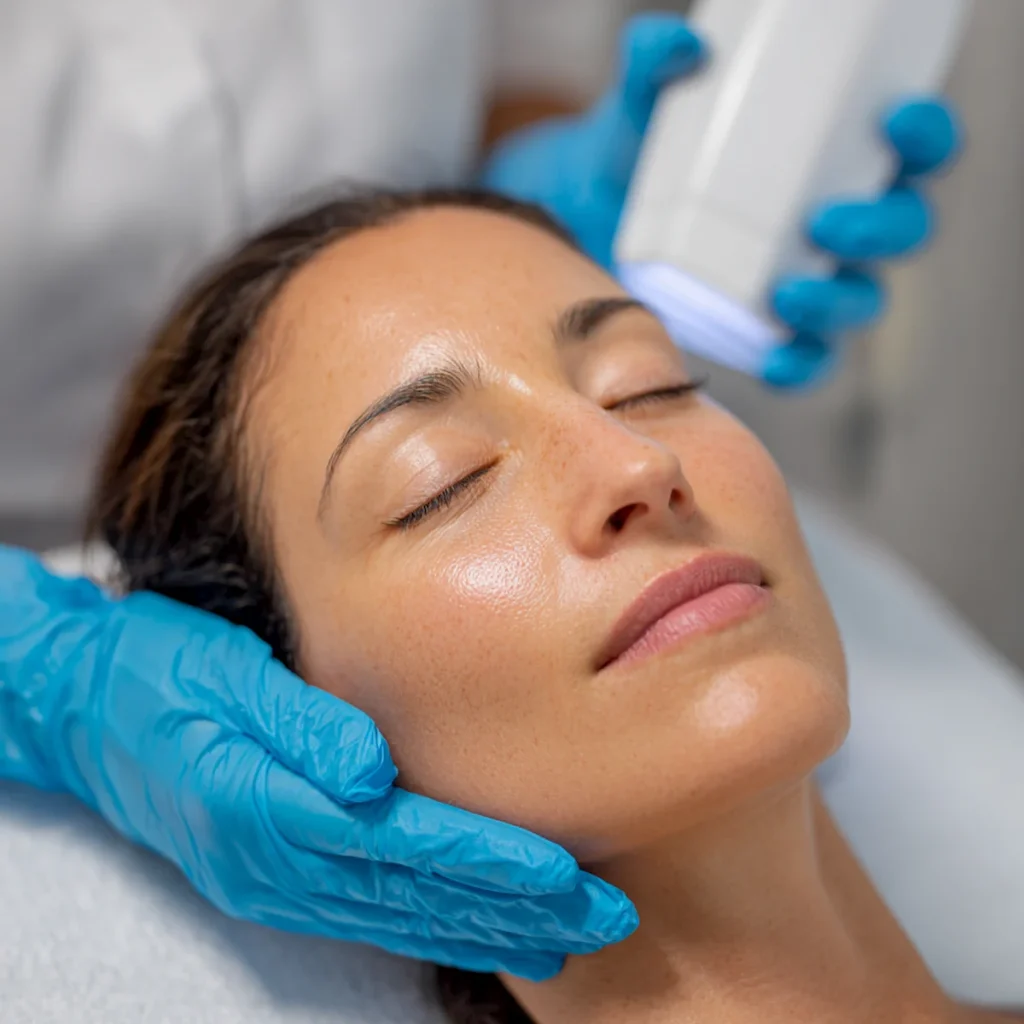


What Is Intense Pulsed Light (IPL)?
IPL is a light-based treatment that uses broad-spectrum light pulses to target specific structures within the skin, such as pigment or blood vessels. Unlike lasers, which use a single focused wavelength, IPL emits multiple wavelengths of light in controlled pulses. These pulses are filtered and adjusted to focus on specific skin concerns while minimizing impact on surrounding tissue.
IPL treatments are commonly used to address:
- Sun damage and age spots
- Uneven skin tone and pigmentation
- Facial redness and visible blood vessels
- Rosacea-related redness (in select patients)
- Freckles
- Mild acne-related discoloration
- Early signs of photoaging
How Does IPL Work?
IPL operates on the principle of selective photothermolysis. In simple terms, light energy is absorbed by a target (such as excess pigment or dilated blood vessels), which then converts it into heat. This controlled heat:
- Breaks down unwanted pigment
- Causes targeted blood vessels to collapse and fade
- Stimulates gradual skin renewal
Over time, the body naturally clears the treated pigment or vessels, leading to a more even complexion. The surrounding skin remains largely unaffected when IPL is properly selected and administered; therefore, treatment planning and skin assessment are critical.
What Skin Concerns Can IPL Treat?
IPL is most effective for color-based skin concerns, rather than texture-related issues. Common indications include:
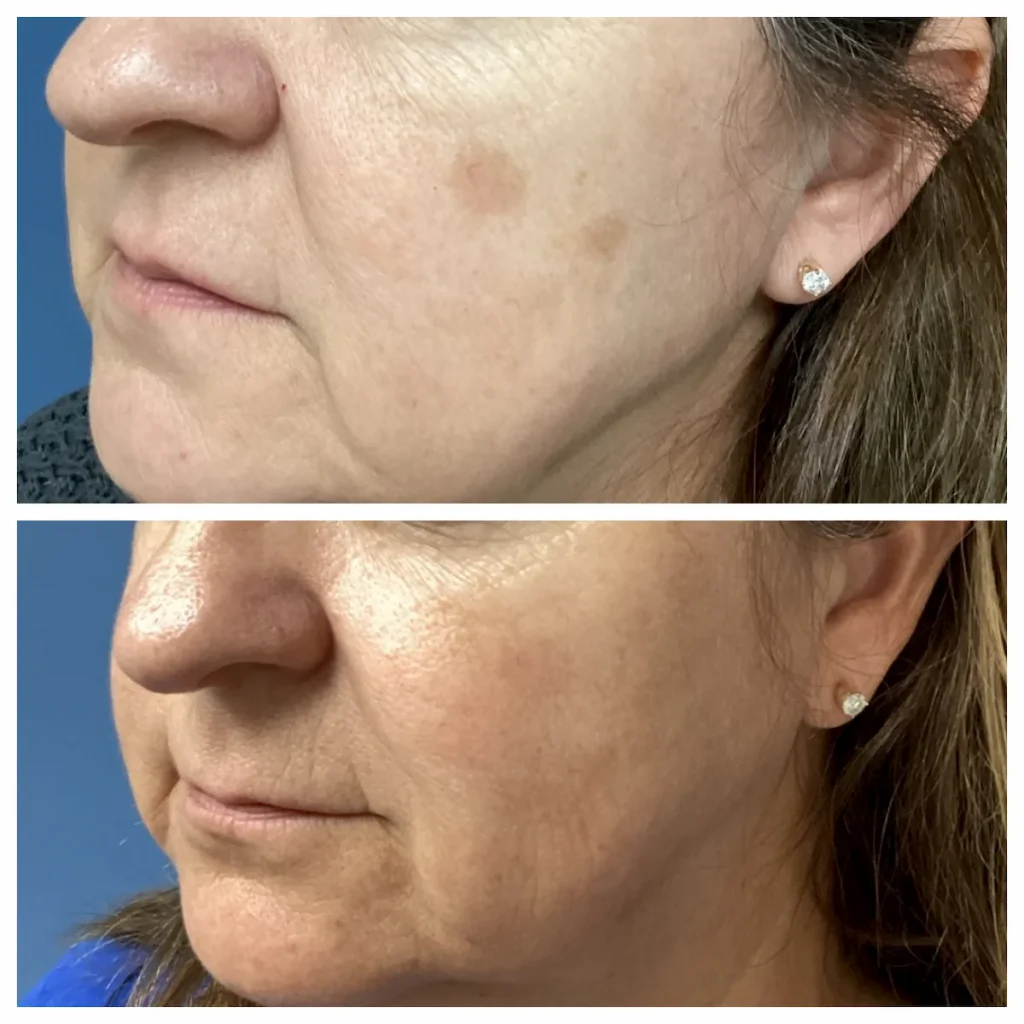
Sun Damage and Brown Spots
Chronic sun exposure can lead to freckles, age spots, and uneven pigmentation. IPL can help break up excess melanin, allowing these spots to gradually fade.
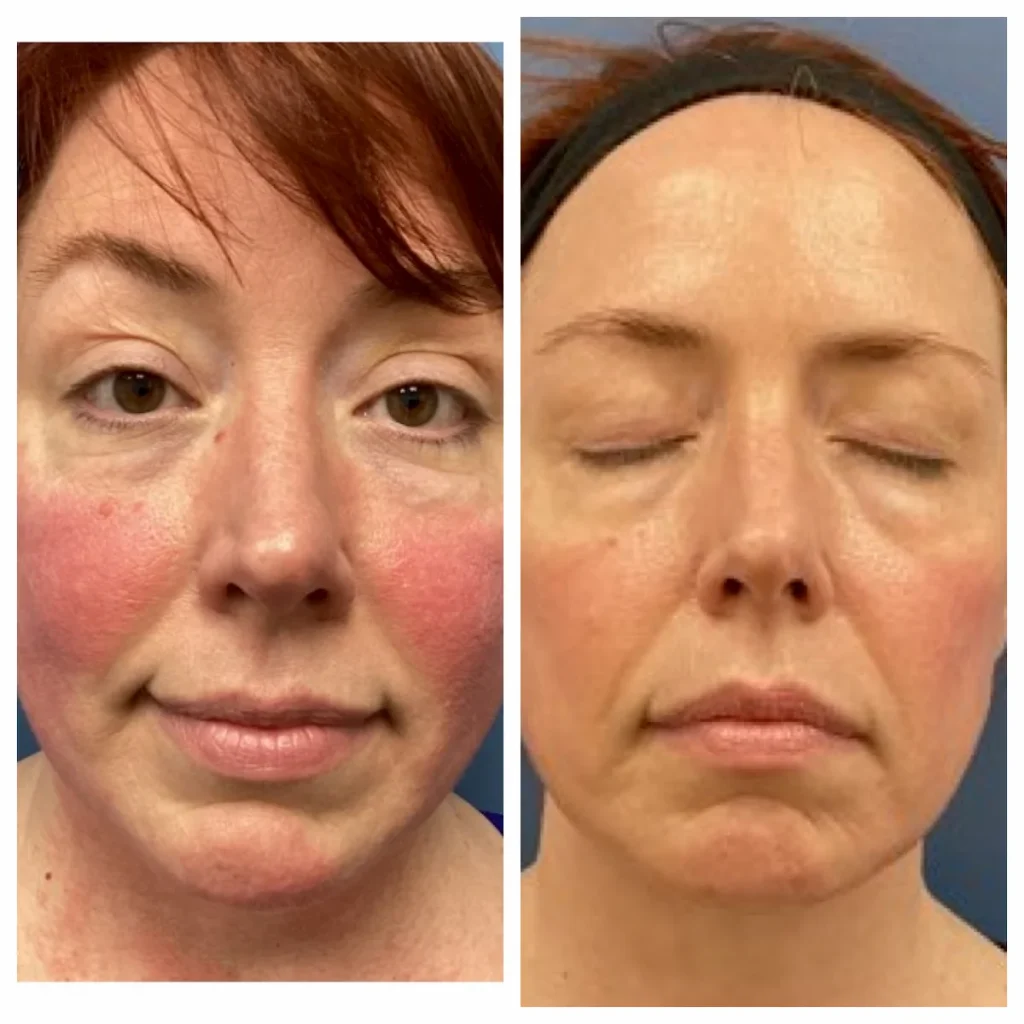
Facial Redness and Broken Capillaries
IPL may help reduce visible blood vessels and diffuse redness, particularly in patients with sun damage or mild rosacea.
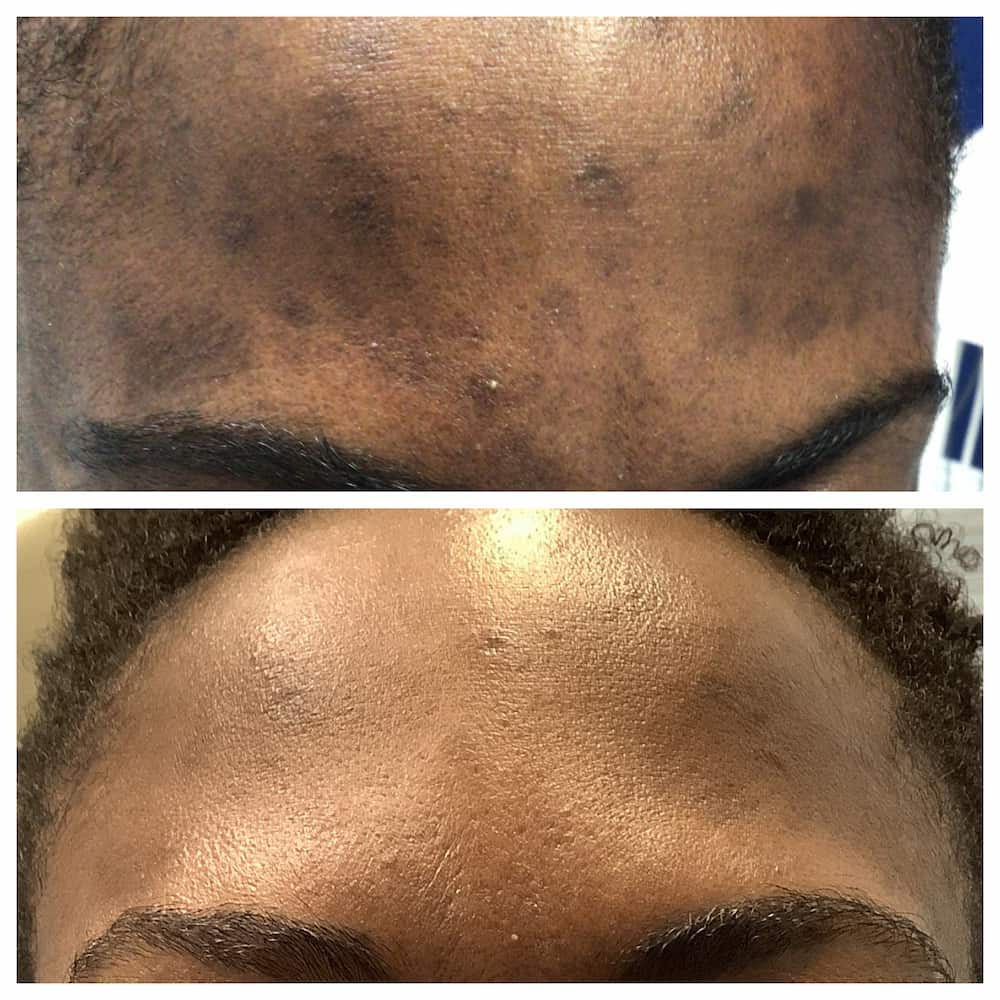
Uneven Skin Tone
By targeting both pigment and redness, IPL can help create a more uniform skin tone.
Early Photoaging
IPL may improve the appearance of skin affected by long-term sun exposure, often referred to as photoaging.

IPL vs Laser Treatments: What’s the Difference?
While IPL and lasers are both light-based technologies, they are not the same.
Intense Pulsed Light:
- Uses multiple wavelengths of light
- Covers a broader treatment area
- Best for pigment and redness
- Often used for overall skin tone improvement
Laser Treatments:
- Use a single, specific wavelength
- More targeted
- Can treat deeper or more precise concerns
- Often used for scars, wrinkles, or hair removal
How Many IPL Treatments Are Needed?
Most patients benefit from a series of treatments, typically spaced several weeks apart. The exact number depends on:
- The condition being treated
- Severity of pigmentation or redness
- Skin type
- Individual response to treatment
Who Is a Good Candidate for IPL?
IPL is best suited for patients who:
- Have light to medium skin tones
- Are concerned about pigment or redness
- Do not have an active tan
- Are in generally good skin health
Scheduling an IPL Consultation in Troy, Missouri
If you are considering IPL treatment for sun damage, redness, or uneven skin tone, a consultation is the best way to determine whether IPL is right for you. At St. Louis Dermatology & Cosmetic Surgery, treatments are guided by medical expertise and individualized planning.
Contact us today either by calling (314) 834-1400 or by using our contact form.
GET IN TOUCH