
Not every hard bump under your skin is a pimple. Learn the difference between cysts, lipomas, nodular acne, and milia.
Most people have pressed a finger against a firm bump under their skin and wondered what it actually is. It does not move quite right, it does not come to a head, and it has been there longer than any normal pimple should be. The honest answer is that not every bump is acne — and knowing the difference can save you months of frustration, unnecessary scarring, and in some cases, a delayed diagnosis.
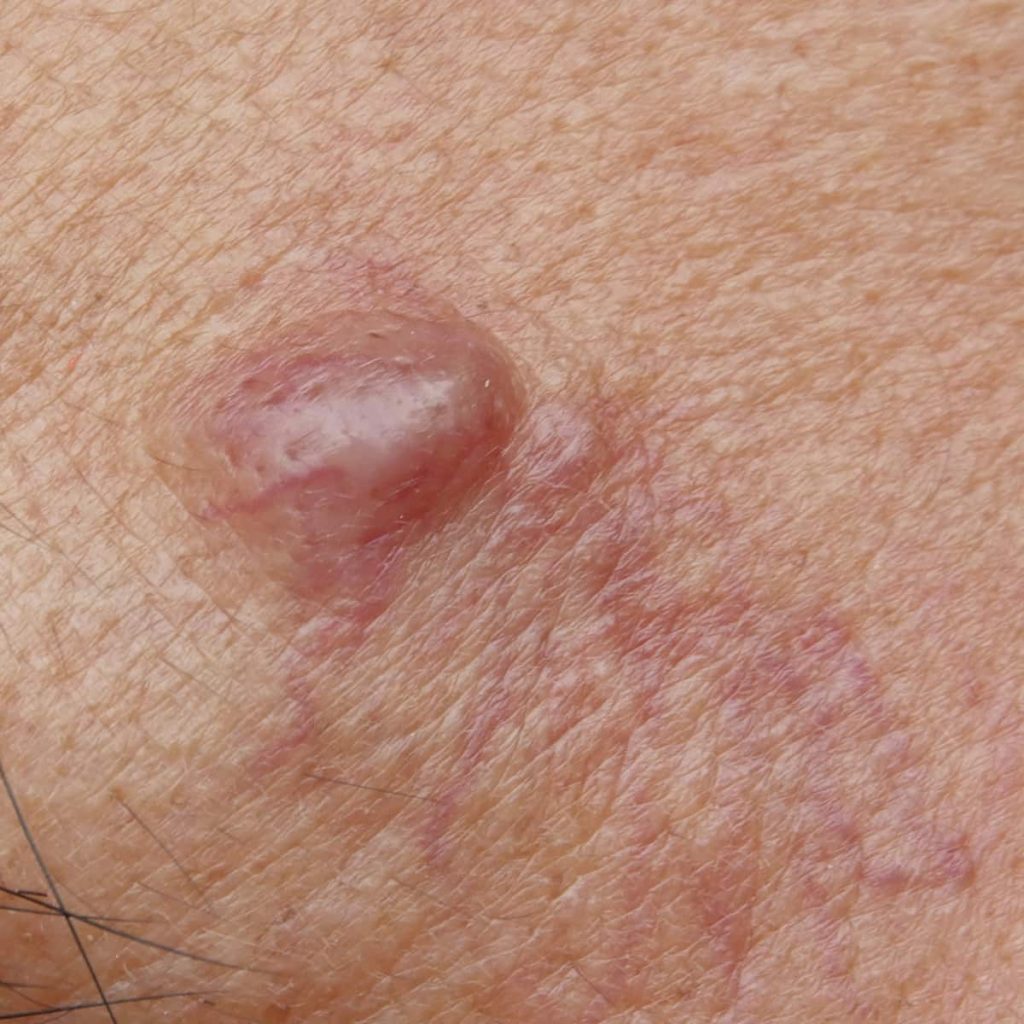


Why Hard Bumps Are Not Always Acne
A typical pimple forms when a pore becomes clogged with oil and dead skin cells, triggering inflammation near the surface. It is usually soft or tender, comes to a head within a week or two, and resolves on its own or with standard acne treatment.
A hard bump that sits deeper in the skin, does not come to a head, and has been present for weeks or longer is likely something different. Several common conditions can look and feel similar on the surface but require entirely different approaches to treat.
Common Causes of Hard Bumps Under the Skin
Epidermoid Cysts
These are the most common types of benign skin cysts. They form when skin cells multiply beneath the surface rather than shedding normally, creating a sac filled with a soft, cheese-like material. They are typically round, slow-growing, and movable under the skin. They are not dangerous, but they can become inflamed or infected — and they will not resolve on their own without treatment.
Lipomas
A lipoma is a slow-growing, benign growth of fat cells that forms just beneath the skin. They tend to feel soft and doughy rather than hard, move easily when pressed, and are rarely painful. They are almost always harmless but can grow large enough over time to become bothersome. Removal is straightforward when desired.
Acne Nodules
Nodular acne is a severe form of acne that forms deep within the skin and does not come to a head. These bumps can be painful, persist for weeks, and cause significant post-inflammatory scarring if left untreated or handled incorrectly. Unlike a surface pimple, nodules require prescription-level treatment — over-the-counter products will not resolve them.
Milia
Milia are small, hard white bumps that typically appear on the face, particularly around the eyes and cheeks. They form when keratin becomes trapped beneath the skin’s surface. They are not acne; they are not harmful, and they do not respond to acne treatment. A dermatologist can remove them quickly and cleanly.
Why You Should Not Try to Pop or Drain It Yourself
This applies to all of the above. Attempting to squeeze or lance a cyst, lipoma, or nodule at home almost always makes things worse. With cysts, especially, the sac must be fully removed — not just drained — or the cyst will return. Forcing the contents out without proper technique introduces bacteria, increases inflammation, and significantly raises the risk of permanent scarring. If a bump is bothering you, a short in-office procedure is a far better outcome than months of home attempts and the scarring that tends to follow.
When to Have a Bump Evaluated
Most benign skin bumps are not urgent, but a professional evaluation is worth scheduling if:
- The bump has been present for more than a few weeks without change
- It is growing in size
- It has become red, warm, painful, or is draining on its own
- You are not certain what it is
- It is in a location that makes daily life uncomfortable
Any bump that is rapidly changing, irregularly shaped, or does not fit the description of a common benign lesion should be evaluated sooner rather than later to rule out anything more serious.
Not Sure What That Bump Is? We Can Help.
St. Louis Dermatology & Cosmetic Surgery sees patients throughout Troy, MO, and the surrounding areas — including Moscow Mills, Old Monroe, and Warrenton — for in-office evaluation and removal of cysts, lipomas, and other skin growths. Dr. Brandon T. Beal is double board-certified and fellowship-trained, with extensive experience in procedural dermatology.
You do not have to guess. Call our office at (314) 834-1400 or request a consultation online. Treatment plans are individualized. A consultation is required prior to any procedure.
Frequently Asked Questions
Occasionally, a small cyst will quiet down after becoming inflamed, but the sac itself remains beneath the skin. Without removal, most cysts return — sometimes larger than before.
It depends on the clinical circumstances. Removal that is deemed medically necessary — due to infection, rapid growth, or diagnostic uncertainty — is more likely to be covered. Purely cosmetic removal typically is not. Our team can help clarify what applies to your situation during a consultation.
Most in-office excisions take less than 30 minutes. The area is numbed with a local anesthetic, the cyst or lipoma is removed, and the site is closed with sutures. Downtime is minimal for most patients.
In most cases, no, the benign conditions described above are far more common. However, any lesion that is growing rapidly, has an irregular border, bleeds without injury, or simply does not fit the pattern of a typical benign bump should be evaluated by a dermatologist to rule out a more serious diagnosis.
GET IN TOUCH