
What to expect from photodynamic therapy (PDT) for actinic keratosis: how it works, the visit, sun avoidance, recovery, and number of sessions.
If a dermatologist has found rough, scaly spots on your sun-exposed skin and recommended photodynamic therapy, you’ll likely want to know what the appointment involves and how your skin will look afterward.
Photodynamic therapy, or PDT, combines a light-sensitizing medication with a specific wavelength of light to treat actinic keratoses, including those across larger areas of sun-damaged skin. Most people return to work within a day or two, with redness and peeling that typically lasts about 4 to 14 days.
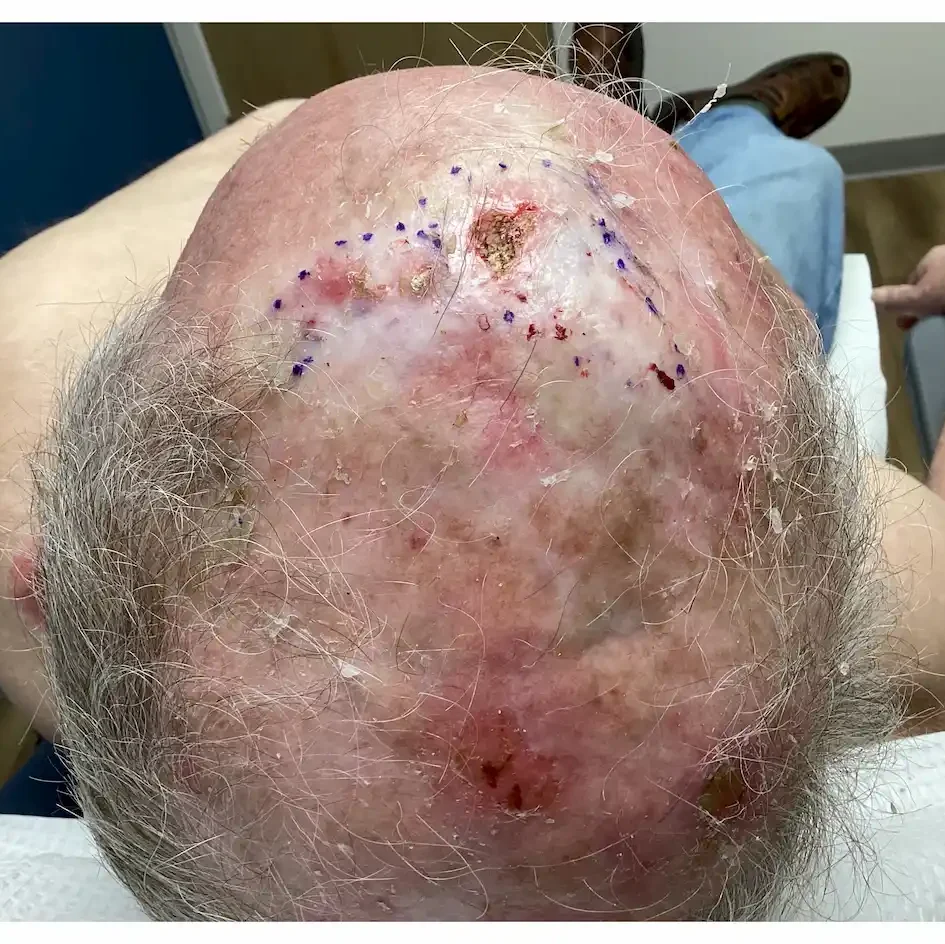
What Is Actinic Keratosis?
An actinic keratosis (AK) is a rough, dry, or scaly patch that develops on skin damaged by years of UV exposure. AKs often feel like sandpaper and may be pink, red, tan, or skin-colored, usually on the face, ears, scalp, lips, neck, forearms, or backs of the hands.
AKs are considered precancerous because, in some cases, they can progress to squamous cell carcinoma. Most do not, but no reliable way exists to predict which ones will, which is why dermatologists often recommend treating them.
How Does Photodynamic Therapy Treat Actinic Keratosis?
PDT works in two steps. First, a topical light-sensitizing medication is applied to the skin and absorbed by damaged cells. Then a red or blue light activates the medication, which targets those cells while largely sparing healthy skin.
Because the medication covers an entire area, PDT can treat many spots in one session rather than one spot at a time. That makes it a common choice for people with numerous AKs or broader sun damage on the face or scalp.
What Happens During a PDT Appointment?
A PDT visit follows three main steps:
- Preparation: the treatment area is prepared, and the light-sensitizing medication is applied.
- Absorption: the medication is given time to absorb into the skin.
- Light activation: the area is exposed to a specific wavelength of red or blue light, typically for about 10 to 30 minutes.
You will go home with aftercare instructions, most importantly, to protect your skin from sunlight for the next two days.
Does Photodynamic Therapy Hurt?
Our practice uses a PDT protocol developed at the Cleveland Clinic to keep treatment comfortable. Some people may notice warmth or tingling during the light portion, and your provider can walk you through what to expect.
What Should I Do After PDT?
Avoid direct sunlight for two days after treatment. The medication can stay active in the skin during that window, and sunlight can reactivate it.
- Everyday errands are fine, but avoid prolonged time outdoors.
- When you are outside, wear sunscreen and sun-protective clothing, and seek shade.
- Follow any specific aftercare instructions from your provider.
If you have a history of cold sores, tell your provider before treatment. The light can sometimes reactivate them, and your provider may prescribe an antiviral.
What Does Recovery Look Like?
Redness and peeling typically last about 4 to 14 days, and most people return to work within a day or two. The treated area may look similar to a sunburn as it heals.
PDT is generally well tolerated. Possible side effects include redness, temporary discoloration, and, rarely, infection, and these usually resolve within a few weeks. Call the office if anything concerns you during healing.
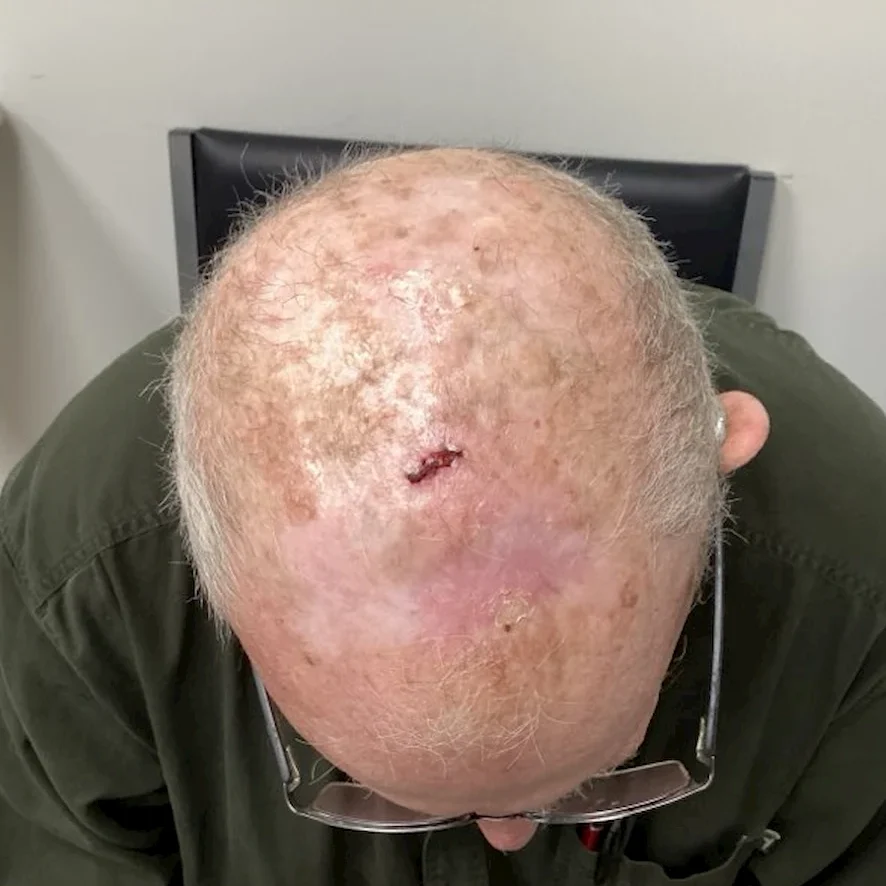
How Many PDT Sessions Will I Need?
Some patients need more than one session, especially with significant sun damage or numerous AKs. Sessions are usually spaced two to five weeks apart. Because sun damage builds over many years, new AKs can still appear after treatment. Some patients continue PDT periodically for maintenance, along with regular skin checks and daily sun protection.
Is PDT the Right Treatment for My Actinic Keratoses?
PDT is one of several options. Dermatologists often treat individual spots with cryotherapy (freezing with liquid nitrogen) or curettage (gentle scraping), and prescription creams can treat a wider area at home. PDT is often considered for many spots or widespread sun damage.
Before any treatment, a dermatologist should examine each spot. A patch that is thicker, tender, bleeding, growing quickly, or not healing may need a quick biopsy first to confirm what it is. Your provider will recommend the approach that fits your skin, the number of spots, and your schedule. A consultation is required, and results vary.
Who Performs PDT at Our Practice?
At St. Louis Dermatology & Cosmetic Surgery, Dr. Brandon T. Beal performs PDT under his direction; he is double board-certified in dermatology and Mohs surgery and completed his residency at the Cleveland Clinic. With offices in Troy and Chesterfield, Missouri, we care for patients from Winfield, Warrenton, and nearby communities.

Consider Contacting Our Clinic Today
If you have rough, scaly spots or have been told you have actinic keratoses, a skin evaluation is the first step toward a treatment plan that fits you.
Schedule an appointment online or call (314) 834-1400 to speak with our team.