
Your skincare routine might not be the problem; your pillowcase could be. Learn how bacteria and hair products affect your skin while you sleep.
You wash your face every night. You follow your routine. You use the right products. And yet, you keep waking up with new breakouts — often in the same spots, on the same side of your face. If that sounds familiar, your skincare routine may not be the problem. Your pillowcase might be.
It sounds almost too simple to be true, but the surface your face spends six to eight hours pressed against every single night is one of the most overlooked contributors to recurring acne — and one of the easiest to address.



What Is Actually on Your Pillowcase
This is the part nobody really wants to think about, but it matters. Over the course of just a few nights, a pillowcase accumulates:
- Dead skin cells are shed while you sleep
- Sebum (oil) is transferred from your face and hair
- Residue from hair products, leave-in conditioners, and dry shampoo
- Bacteria that thrive in that warm, oily environment
- Residual makeup, even after cleansing
- Dust mites, which are present in virtually every home
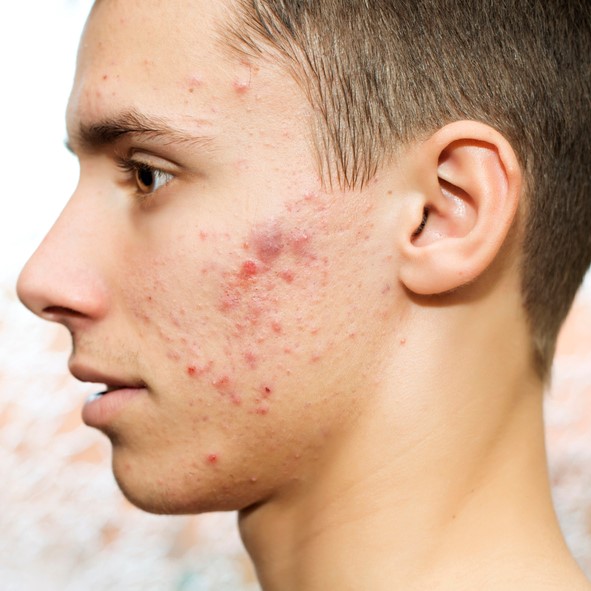
Every night you lie down on that surface, you press all of it directly against your skin for hours at a time. For someone already prone to breakouts, that kind of prolonged contact with oil, bacteria, and debris is a meaningful trigger — and it tends to show up in predictable patterns. Breakouts concentrated on one cheek, along the jawline, or near the temples are a classic sign that your sleeping surface deserves a closer look.
The Hair Product Problem
This one catches a lot of people off guard. If you use any leave-in conditioner, hair oil, anti-frizz serum, or overnight treatment, those products transfer to your pillowcase — and then to your face — while you sleep. Many of these products contain comedogenic ingredients, meaning they are known to clog pores.
You can have a completely clean, well-managed skincare routine and still be breaking out because of what is in your hair. If your breakouts tend to cluster along your hairline, temples, or the sides of your face where hair makes contact, this is a likely contributor worth examining.
How Often Should You Actually Be Changing Your Pillowcase
Most people change their pillowcase when they change their sheets — which, if we are being honest, is often less frequent than it should be for acne-prone skin. Dermatologists generally recommend changing your pillowcase every two to three days if you are actively dealing with breakouts. Once a week is a reasonable minimum for everyone else.
A practical approach that does not require doing laundry every other day: keep several pillowcases on rotation so you can swap them out quickly without it becoming a chore. Some people also flip their pillowcase to the clean side midweek as an in-between measure — not a substitute for washing, but better than nothing.
When Lifestyle Changes Are Not Enough
Adjusting your pillowcase routine is a worthwhile step, and for some people, it makes a noticeable difference relatively quickly. But if you are doing everything right — clean pillowcase, consistent skincare, healthy habits — and still dealing with persistent or worsening breakouts, that is a signal that something more is going on beneath the surface.
Acne is a medical condition with multiple potential drivers: hormones, genetics, inflammation, bacteria, and more. Lifestyle modifications can support your skin, but they are not a substitute for a proper treatment plan when acne is persistent, painful, or leaves scars.
Your Skin Deserves More Than a Skincare Routine
If breakouts are affecting your confidence or your daily life, St. Louis Dermatology & Cosmetic Surgery is here to help. Dr. Brandon T. Beal is double board-certified and fellowship-trained, with extensive experience treating acne at every stage — from early intervention to scar revision. He sees patients in Troy, MO, and surrounding areas, including Moscow Mills, Wentzville, and O’Fallon.
Small changes at home are a great start. A personalized treatment plan is even better. Call our office at (314) 834-1400 or request a consultation online to talk through what is going on with your skin and what can actually be done about it. Treatment plans are individualized. A consultation is required prior to treatment.
GET IN TOUCH