
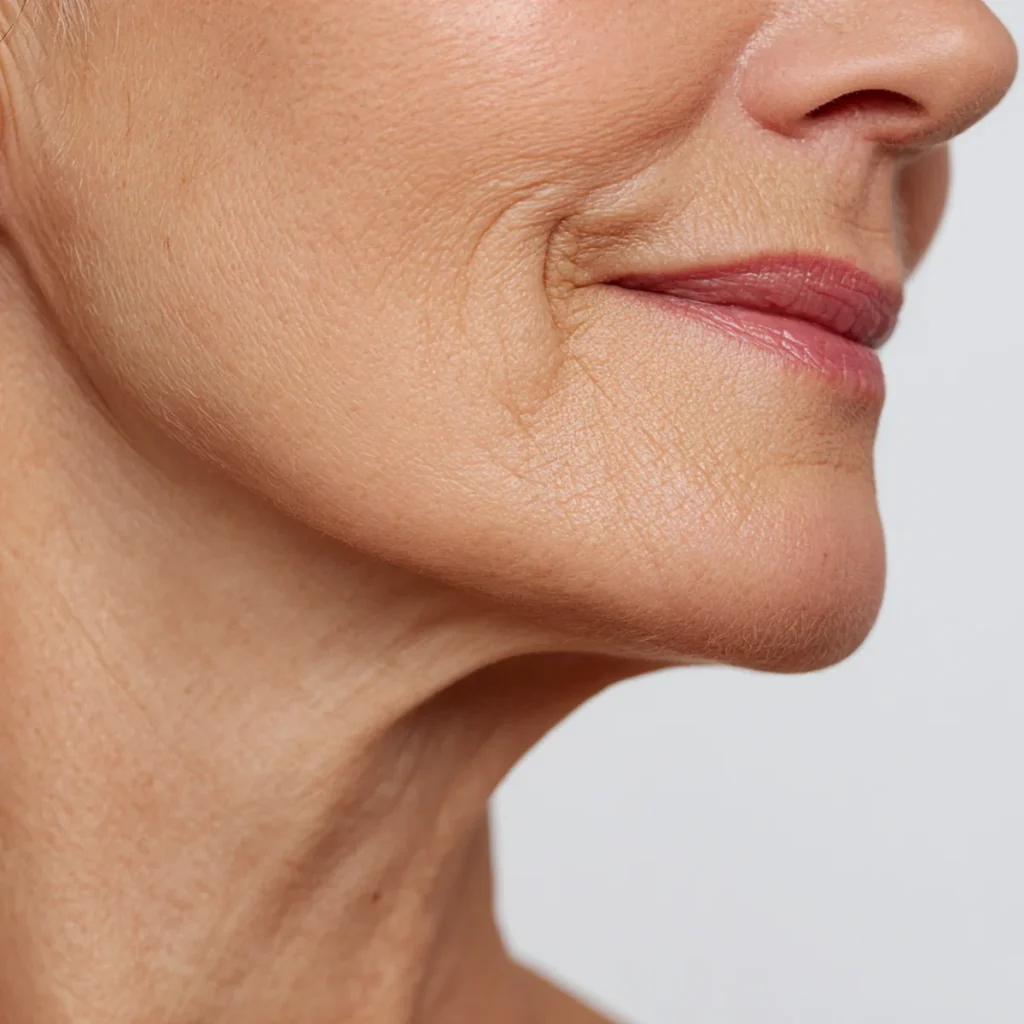
Crepey skin is a common concern with aging, often described as thin, finely wrinkled skin resembling crepe paper.
A common question patients ask is whether crepey skin can be prevented—or if it is simply an inevitable part of aging. The answer is nuanced. While crepey skin cannot always be fully prevented, there are evidence-based steps that may help reduce risk, slow progression, and improve overall skin quality over time.


What Is Crepey Skin?
Crepey skin refers to skin that has:
- Thinning of the dermis
- Loss of collagen and elastin
- Reduced hydration
- Fine wrinkling and laxity
Unlike deeper wrinkles, crepey skin often reflects changes in skin structure and quality rather than facial movement alone.
What Causes Crepey Skin?
Crepey skin results from a combination of intrinsic (internal) and extrinsic (external) factors.
- Natural Aging
- As we age, the body produces less collagen and elastin — proteins responsible for skin strength and elasticity. Skin also becomes thinner and retains less moisture.
- Sun Exposure
- Ultraviolet (UV) radiation is a major contributor to the development of crepey skin. Chronic sun exposure accelerates collagen breakdown and leads to photoaging.
- Loss of Estrogen and Hormonal Changes
- Hormonal changes, particularly during menopause, can affect skin thickness and elasticity, contributing to crepey texture.
- Genetics
- Some individuals are genetically predisposed to thinner skin and earlier collagen loss.
- Weight Changes
- Significant weight loss can contribute to loose, crepey skin due to reduced underlying support.
Can Crepey Skin Truly Be Prevented?
Crepey skin cannot always be completely prevented, but its onset and severity may often be reduced with consistent, long-term skin care and lifestyle measures. Prevention focuses on protecting existing collagen, supporting skin hydration, and minimizing environmental damage.
Evidence-Based Ways to Help Prevent Crepey Skin

Daily Sun Protection
Sun protection is one of the most effective ways to help prevent crepey skin. Recommended measures include:
- Broad-spectrum sunscreen (SPF 30 or higher)
- Protective clothing and wide-brimmed hats
- Avoiding peak sun hours when possible
Maintaining Skin Hydration
Well-hydrated skin appears plumper and more resilient. Helpful strategies include:
- Using moisturizers containing ceramides or hyaluronic acid
- Applying moisturizers immediately after bathing
- Avoiding harsh soaps that strip natural oils


Healthy Lifestyle Habits
General health influences skin health. Measures that may support skin quality include:
- Avoiding smoking
- Eating a balanced diet rich in antioxidants
- Staying adequately hydrated
- Managing chronic stress
Gentle Skin Care Practices
Excessive exfoliation or aggressive treatments can worsen skin thinning. Gentle cleansing and appropriate product selection help preserve the skin barrier.
When Prevention Isn’t Enough
Even with excellent preventive care, crepey skin may still develop due to aging and genetics. At that point, professional treatments may be considered to help improve appearance and skin quality.
Options that may be discussed during a consultation include:
- Microneedling
- Energy-based skin tightening treatments
- Injectable treatments (when appropriate)
When to See a Dermatologist
You may benefit from a professional evaluation if:
- Crepey skin is progressing despite good skin care
- Changes appear suddenly
- Skin thinning is accompanied by irritation or fragility
Crepey Skin Prevention and Care in Troy, Missouri
If you are concerned about crepey skin or want guidance on prevention and treatment options, a consultation can help clarify the best approach for your skin. At St. Louis Dermatology & Cosmetic Surgery, care is guided by medical expertise, individualized planning, and evidence-based recommendations.
Contact us today either by calling (314) 834-1400 or by completing our contact form.
GET IN TOUCH