
Not sure if your rash or skin change needs attention? Learn when to monitor at home and when to call a dermatologist from a dermatology practice in Troy, MO.
Skin changes can be confusing. A red patch appears out of nowhere. Something itches for days without an obvious cause. A spot looks different from what it did a few months ago. For most people, the instinct is to wait and see — and sometimes that’s perfectly reasonable. But other times, waiting means a condition gets harder to treat, or a concern goes unaddressed longer than it should.
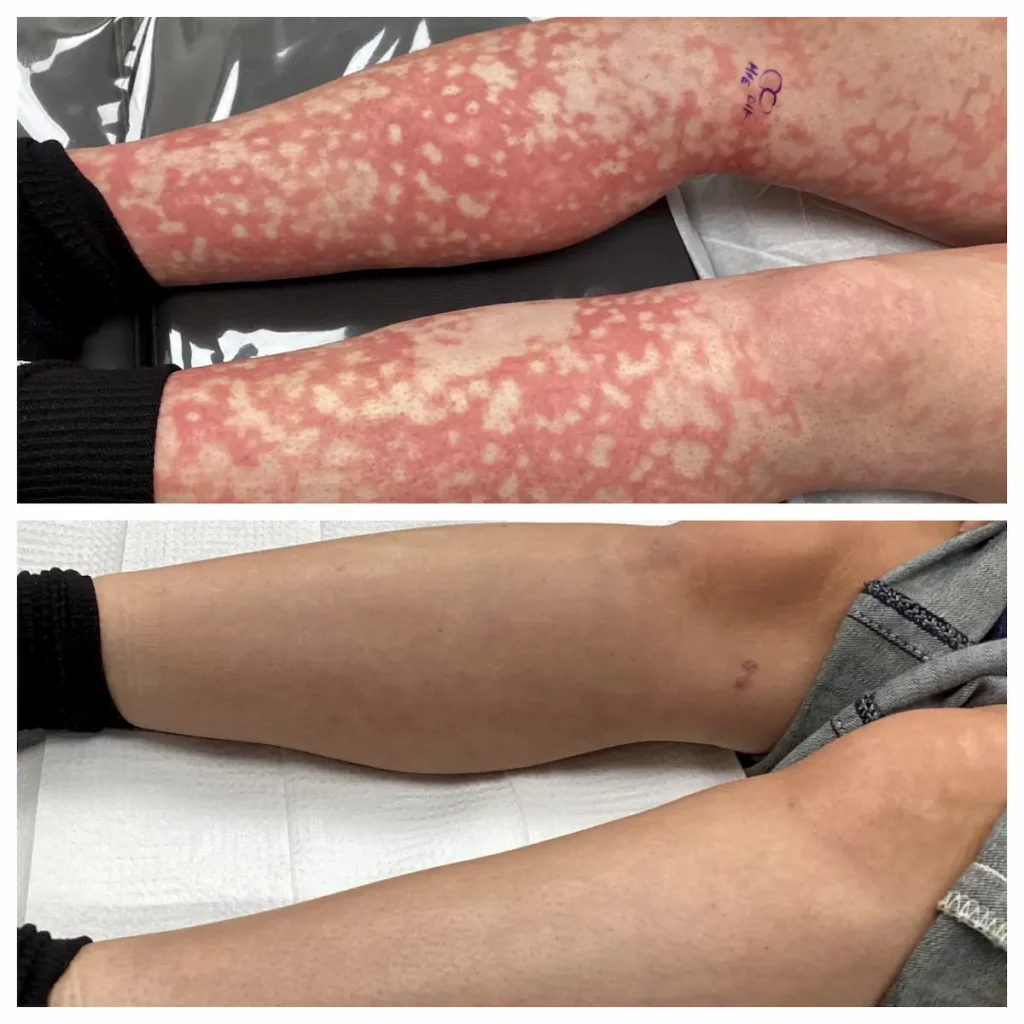
Not Every Skin Change Is an Emergency — But Some Shouldn’t Wait
Most rashes and skin reactions are benign and resolve on their own. Contact dermatitis from a new soap, a mild allergic reaction, or dry skin aggravated by weather are all common and often manageable at home. That said, the skin is the body’s largest organ, and changes to it can sometimes indicate a need for professional evaluation.
A dermatologist isn’t just for cosmetic concerns. Medical dermatology covers a wide range of conditions — from chronic inflammatory skin diseases to infections, autoimmune conditions, and early signs of skin cancer. Getting the right diagnosis early often leads to simpler, more effective treatment.
Signs You Should Schedule a Dermatology Appointment
Consider reaching out to a dermatologist if you’re experiencing any of the following:
- A rash that isn’t improving after 1–2 weeks, especially if it’s spreading, becoming more painful, or not responding to over-the-counter treatments
- Itching with no clear cause — particularly if it’s affecting your sleep or daily life
- A new or changing mole or spot — any change in size, shape, color, or texture warrants a professional look
- A skin lesion that bleeds, crusts, or doesn’t heal — this is one of the more important signs to take seriously and not delay on
- A widespread or rapidly spreading rash, especially one accompanied by fever, joint pain, or fatigue
- Recurring skin issues like flares of eczema, psoriasis, or rosacea that aren’t well-controlled
- A reaction you can’t explain — new medications, foods, or environmental exposures can all trigger skin changes that benefit from a proper diagnosis
This list isn’t exhaustive. If something on your skin concerns you, that alone is a reasonable reason to be seen. A dermatologist can either reassure you or catch something early — either outcome is worthwhile.
When to Seek Urgent or Same-Day Care
Some skin changes should not wait for a routine appointment. Seek prompt medical attention if you notice:
- A rash spreading rapidly across a large area of your body
- Skin blistering, peeling, or sloughing in sheets
- Difficulty breathing, throat tightness, or swelling of the face alongside a skin reaction — these may indicate a serious allergic response requiring emergency care
- High fever accompanied by a rash, particularly one that looks like small red or purple pinpoint dots
If you’re experiencing any of those symptoms, please contact emergency services or go to an urgent care facility or emergency room.
What Happens at a Medical Dermatology Visit
If you’re unfamiliar with what a dermatology appointment involves, the process is straightforward. Your provider will review your history, ask about the timeline of your symptoms, and examine the affected area. Depending on what they find, they may recommend a topical treatment, a prescription medication, a biopsy, or simply a follow-up plan.
At St. Louis Dermatology & Cosmetic Surgery, medical dermatology appointments are conducted by Dr. Brandon T. Beal, a double board-certified dermatologist with fellowship training in procedural and medical dermatology. Patients are seen as individuals — not rushed through a corporate clinic model. A diagnosis is explained clearly, and a treatment plan is built around your specific situation.
You Don’t Have to Figure It Out on Your Own
Searching your symptoms online can sometimes help — and sometimes send you down an anxious spiral. If a skin change is bothering you or simply hasn’t resolved on its own, the most reliable next step is to have a trained clinician take a look.
Call (314) 834-1400 or fill out our online contact form to request an appointment. Treatment plans are individualized, and results vary depending on the condition and the patient.
GET IN TOUCH