
Anti-Aging
Our Board Certified Experts in Dermatology & Cosmetic Surgery are here to help you look as good as you feel!
What Causes Aging?
Our skin ages through two processes: intrinsic aging and extrinsic aging. Intrinsic, or natural, aging is the normal aging process determined by our genetics. We do not control natural aging. Extrinsic aging, also known as premature aging, is caused by our environment and lifestyle choices. Our decisions and choices can help prevent premature aging.
Natural Aging (Intrinsic aging process)
We all go through a natural aging process that is controlled by our genetics:
- We develop visible lines on our faces
- Our faces lose some of their fullness
- Our skin becomes drier and thinner
Premature Aging (Extrinsic aging process)
Our environmental exposures and lifestyle choices cause premature aging:
- Cumulative sun exposure over your lifetime
- Smoking causes wrinkles and decreases the health of your skin
- Tanning beds
Aging Facts
| Age Range | Cumulative Lifetime Sun Exposure |
|---|---|
| 1–18 | 23% |
| 19–40 | 47% |
| 41–59 | 74% |
| 60–78 | 100% |
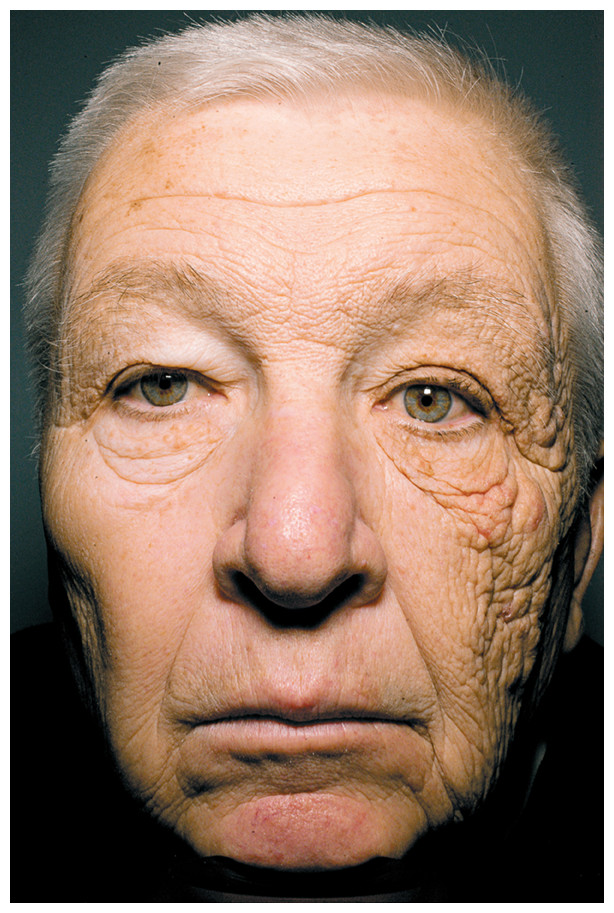
- 90% of skin aging is caused by the sun.
- Using sunscreen (SPF 15 or greater) reduces skin aging by 25%.
- 70% of cumulative sun damage occurs by age 40.
Signs of Aging:
- Wrinkles
- Crow’s feet – fine lines around your eyes
- 11s (furrow lines) – deep lines between your eyebrows
- Smile lines (nasolabial folds) – Lines from the side of your nose to the corner of your mouth
- Lines across your forehead
- Smoker lines – fine lines on your upper lip
- Skin Discoloration – brown spots (liver or sun spots)
- Benign skin growths (seborrheic keratoses)
- Dark circles under the eyes
- Dry skin
- Thin skin
8 Ways to Reduce Premature Aging
1. Protect Your Skin from the Sun
Sun exposure is the leading cause of premature aging. Daily skin protection can significantly reduce fine lines, wrinkles, and age spots.
- Use Sunscreen
- Choose a broad-spectrum sunscreen with SPF 30 or higher and a water-resistant formula. Apply it generously and reapply every two hours when outdoors.
- Practice Sun-Protective Behaviors
- When spending time outside, seek shade, wear sun-protective clothing, and opt for wide-brimmed hats and long sleeves. For comfort in warmer months, look for lightweight, cooling fabrics designed for UV protection.
2. Do Not Tan
Tanning accelerates skin aging and damages skin cells at the DNA level. Even a “base tan” is a sign of injury to your skin. Avoid tanning beds and unprotected sun exposure to maintain long-term skin health.
3. Stop Smoking
Smoking contributes to wrinkles, dullness, and loss of elasticity. It damages collagen and restricts blood flow to the skin. Quitting smoking can improve texture, tone, and your overall complexion over time.
4. Eat a Healthy Diet
A balanced diet rich in fruits, vegetables, lean proteins, and healthy fats supports skin repair and renewal. Antioxidant-rich foods like berries and leafy greens can help protect against environmental damage.
5. Drink Less Alcohol
Excessive alcohol use dehydrates the skin, causing dryness and dullness. Limiting alcohol intake helps maintain the skin’s natural moisture barrier and improves its texture and tone.
6. Exercise Regularly
Physical activity improves circulation and supports the immune system. Enhanced blood flow delivers oxygen and nutrients to the skin, promoting a healthy, radiant appearance.
7. Cleanse Your Skin Gently
Cleansing removes pollutants, makeup, and excess oil without stripping the skin’s natural barrier. Use mild, fragrance-free cleansers and avoid scrubbing, which can lead to irritation and dryness.
8. Moisturize Daily
Daily moisturization keeps the skin hydrated and supple. It helps maintain the skin barrier, reduces fine lines, and enhances overall smoothness — giving the skin a more youthful look.
Can You Reverse Skin Aging?
Yes! Protecting your skin from the sun allows it to repair, and quitting smoking can lead to healthier, more youthful-looking skin. If signs of aging are bothersome, a dermatologist can provide expert care to prevent and treat wrinkles, sagging, discoloration, dark circles, volume loss, and other concerns.
How Laser-Based Treatments Can Help
Laser treatments are an effective, non-invasive way to combat various signs of aging, including wrinkles, discoloration, and loss of skin elasticity. Our advanced laser technology stimulates collagen production, repairs sun-damaged skin, and improves skin tone and texture.
Benefits of laser treatments:
- Reduce fine lines and wrinkles.
- Minimize brown spots, redness, and uneven pigmentation.
- Tighten loose skin for a firmer, youthful appearance.
- Promote natural collagen regeneration for long-lasting results.
Botox for Wrinkle Reduction
Botox is a quick, minimally invasive treatment that effectively reduces dynamic wrinkles caused by repeated facial expressions, such as frowning, squinting, or smiling.
What Botox can treat:
- Crow’s feet around the eyes.
- “11s” or furrow lines between the eyebrows.
- Forehead lines.
Botox works by temporarily relaxing the facial muscles that cause these wrinkles, creating a smoother, more youthful appearance. Results are visible within days and typically last 3-4 months, making Botox an excellent option for maintaining a refreshed look.
Dermal Fillers for Volume Restoration
As we age, we lose facial volume, leading to sagging skin, hollow cheeks, and deep lines. Dermal fillers restore this lost volume, smooth out deep wrinkles, and enhance facial contours.
Dermal fillers can address:
- Smile lines (nasolabial folds).
- Sunken cheeks or temples.
- Thinning lips.
- Marionette lines (lines running from the corners of the mouth to the chin).
Fillers are composed of hyaluronic acid, a naturally occurring substance in the skin that helps maintain a natural, hydrated appearance. With results lasting 6-18 months, fillers effectively rejuvenate your face without surgery.
Why Choose St. Louis Dermatology & Cosmetic Surgery?
We are the trusted experts in dermatology and cosmetic surgery. Our board-certified dermatologists are here for you. You will receive the highest-quality care in a warm, compassionate environment, from the most challenging and complex skin concerns to routine care.
Sources:
- Hughes MCB, Williams GM, Baker P, et al. Sunscreen and prevention of skin aging: a randomized trial. Ann Intern Med 2013; 158(11):781-790.
- Godar DE, Urbach F, Gasparro FP, et al. UV doses of young adults. Photochem Photobiol 2003; 77(4):453-7.
GET IN TOUCH