
Learn whether stretch marks can be removed, what treatments may help improve their appearance, and when to consider professional care in Troy, MO.
Stretch marks are a common concern among patients of all ages. Whether they develop after pregnancy, weight changes, or growth, many people want to know: Is it possible to completely remove stretch marks?
The answer is more nuanced than a simple yes or no. Understanding how stretch marks form—and how treatments work—can help set appropriate expectations and guide treatment decisions.



What Are Stretch Marks?
Stretch marks, or striae, occur when the skin stretches beyond its capacity to maintain normal structure. This leads to disruption of collagen and elastin fibers in the dermis (the deeper layer of the skin).
They typically appear in two stages:
- Early-stage (striae rubra): red, pink, or purple
- Mature-stage (striae alba): white or silvery with a thinned, textured appearance
Because stretch marks involve structural changes beneath the surface, they behave differently from conditions that affect only skin pigmentation.
Can Stretch Marks Be Completely Removed?
In most cases, stretch marks cannot be completely removed. However, with appropriate treatment, they can often be visibly improved. This may include:
- Reduction in color contrast
- Smoother skin texture
- Decreased depth or indentation
The degree of improvement varies depending on several factors, including the age of the stretch marks, skin type, and treatment approach.
Why Complete Removal Is Difficult
Stretch marks represent a form of dermal scarring. Unlike superficial skin concerns, they involve:
- Loss of normal collagen architecture
- Changes in skin elasticity
- Thinning of the dermis
Because of this, treatments focus on remodeling and improving the skin, rather than eliminating the marks entirely.
The Importance of Timing
The stage of stretch marks plays a significant role in how they respond to treatment.
Early (Red or Purple) Stretch Marks
- More responsive to intervention
- Active blood supply and inflammation are still present
- Greater potential for improvement
Mature (White or Silver) Stretch Marks
- More resistant to treatment
- Collagen loss is more established
- Improvement is still possible, but may require multiple sessions
Early evaluation can be beneficial, particularly for patients seeking more noticeable improvement.
Treatment Options That May Help
Treatment strategies aim to stimulate collagen production and improve skin structure. Depending on the individual, options may include:
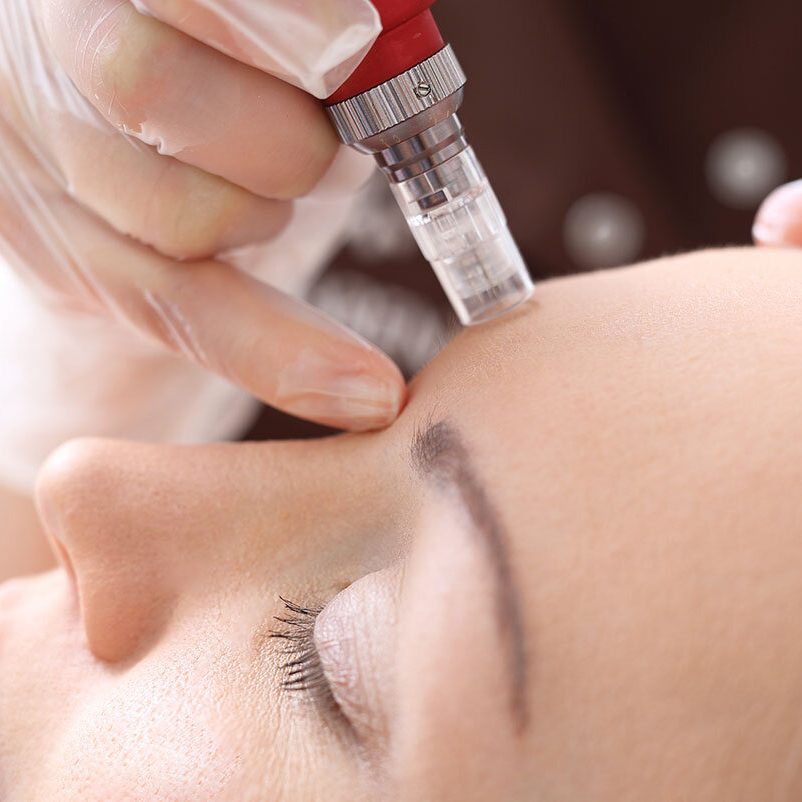
Microneedling
Microneedling creates controlled micro-injuries in the skin, which can stimulate collagen remodeling and improve texture over time.
Laser-Based Treatments
Different laser technologies may be used to:
- Reduce redness in early stretch marks
- Stimulate collagen production in more mature lesions
Combination Approaches
In many cases, combining treatments over time may provide more meaningful improvement than a single modality alone.
What About Topical Treatments?
Over-the-counter products such as creams, oils, and lotions are commonly used. While these may:
- Improve skin hydration
- Support overall skin health
They generally do not penetrate deeply enough to significantly alter the underlying structure of stretch marks. Prescription topicals may offer modest benefit in certain cases, particularly early on, but are typically not sufficient as a standalone treatment for established stretch marks.
Expert Dermatologic Care in Troy, MO
At St. Louis Dermatology & Cosmetic Surgery, patients receive individualized care based on their specific skin concerns and goals.
Dr. Brandon T. Beal is a double board-certified Mohs Micrographic Surgeon and Cosmetic Dermatologist with advanced training in procedural dermatology and skin reconstruction. Treatment recommendations are evidence-based and tailored to each patient.
Schedule a Consultation Today
If you are considering treatment for stretch marks, a consultation can help clarify what level of improvement may be possible in your case.
Contact us by calling (314) 834-1400 or filling out our online contact form.
GET IN TOUCH