
Wound Care for
Non-Healing Leg Sores
Non-healing sores on the legs can be frustrating, painful, and concerning. While some wounds improve within days to weeks, others can linger.

What Is a Non-Healing Leg Ulcer?
A leg ulcer is an open wound on the lower leg or ankle that does not heal within approximately 4–6 weeks. These wounds often result from an underlying medical condition that interferes with circulation, skin integrity, or the body’s ability to repair tissue. Common characteristics include:
- An open sore that does not close
- Drainage or crusting
- Swelling in the lower leg
- Skin discoloration
- Pain or tenderness
- Thickened or hardened surrounding skin
Chronic wounds should not be ignored. Delayed healing may increase the risk of infection and tissue damage.
Why Do Leg Sores Stop Healing?
Healthy wound healing requires:
- Adequate blood flow
- Oxygen delivery
- Infection control
- Healthy surrounding tissue
When one or more of these factors is compromised, wounds may stall.
Warning Signs That Require Prompt Evaluation
Seek medical evaluation if you notice:
- A sore lasting longer than 3–4 weeks
- Increasing redness or warmth
- Pus or foul odor
- Fever or chills
- Blackened or necrotic tissue
- Rapidly worsening pain
- Spreading redness
Treatment Options for Leg Ulcers
Treatment depends on the cause and severity of the wound.
1. Professional Wound Care
- Cleansing
- Debridement (removal of non-viable tissue)
- Advanced dressings to maintain optimal moisture balance
2. Compression Therapy (For Venous Ulcers)
Compression stockings or wraps may improve circulation and reduce swelling.
3. Infection Management
Topical or oral antibiotics may be prescribed when appropriate.
4. Offloading & Pressure Reduction
Reducing pressure on the wound can support healing.
5. Biopsy & Skin Cancer Treatment (When Indicated)
If a chronic wound is cancerous, treatment may include:
- Surgical excision
- Mohs micrographic surgery (for appropriate cases)
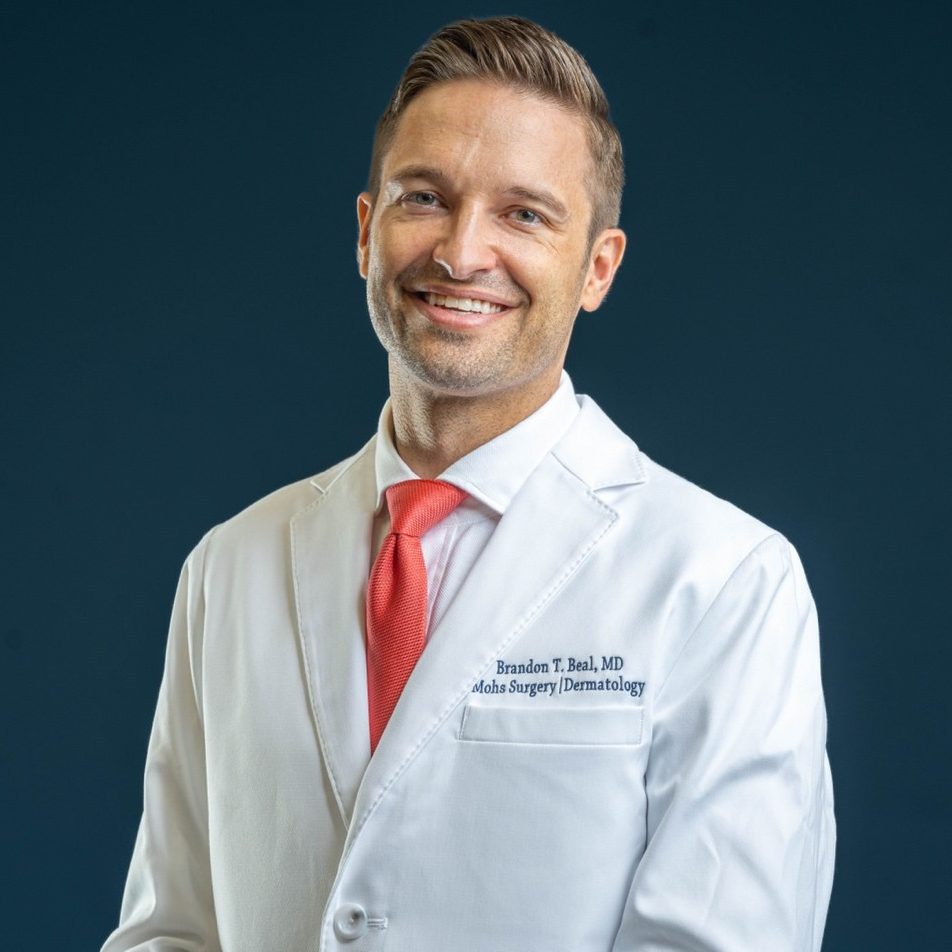
Dr. Beal’s advanced training in dermatologic oncology and reconstructive surgery allows for precise removal while preserving healthy tissue when skin cancer is identified.
Why Choose Us?
While many providers treat wounds, dermatologists specialize in:
- Skin pathology
- Identifying malignancies
- Surgical reconstruction
- Tissue healing
- Advanced procedural techniques
At St. Louis Dermatology & Cosmetic Surgery, care is:
- Evidence-based
- Fellowship-trained
- Locally directed
- Relationship-driven
Dr. Brandon T. Beal completed dermatology residency at the Cleveland Clinic Dermatology & Plastic Surgery Institute and advanced fellowship training in Mohs surgery, facial plastic and reconstructive surgery, and dermatologic oncology.
Schedule a Wound Evaluation Today
Call our office to speak with our team or request an appointment online. A timely evaluation can help determine the cause of your non-healing sore and guide appropriate treatment.
GET IN TOUCH