
Wart Treatment
While many warts are harmless, they can be uncomfortable, spread to other areas, or cause cosmetic concerns.
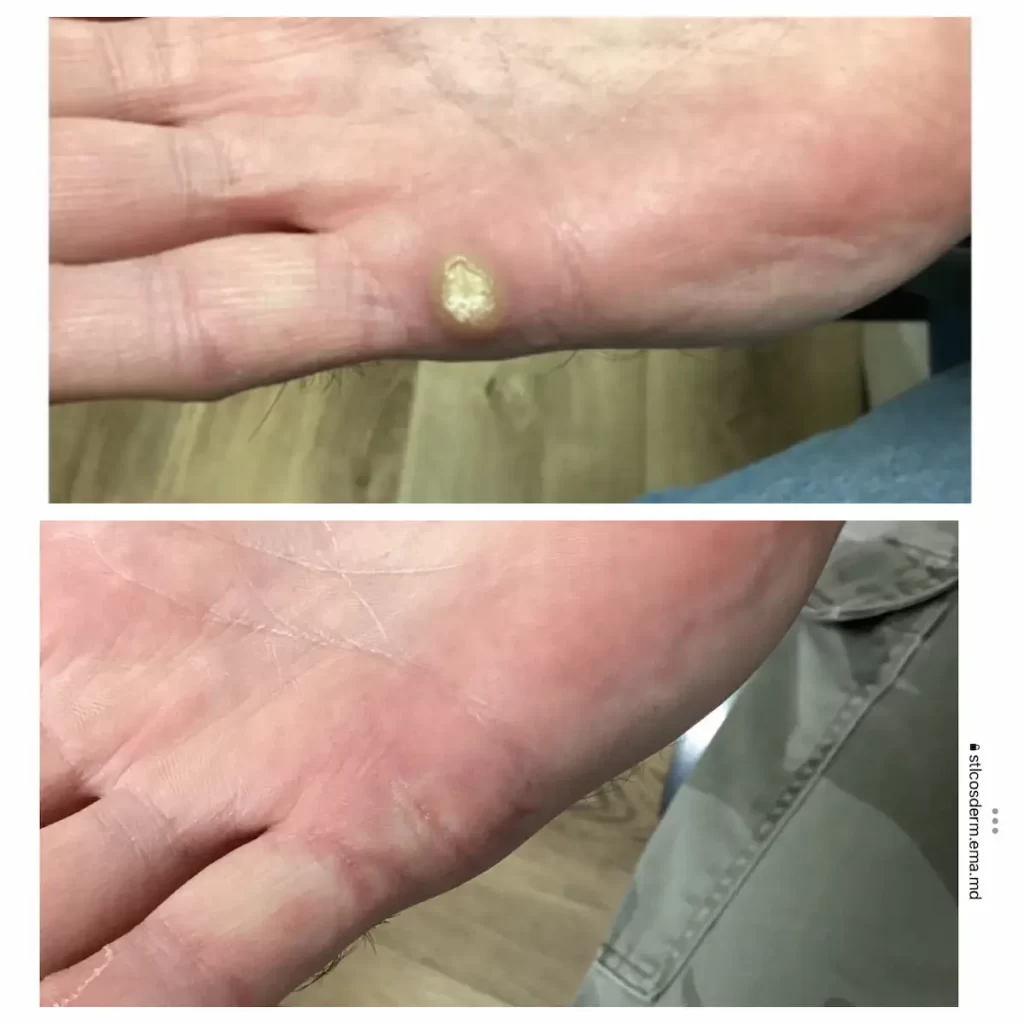
What Are Warts?
Warts develop when human papillomavirus (HPV) enters the skin through tiny cuts or breaks, causing an overgrowth of skin cells. They can appear anywhere on the body and vary in appearance depending on the type of wart and its location.
Warts are contagious, meaning they can spread through direct contact or by touching contaminated surfaces.
What Causes Warts?
Warts are caused by HPV infection, which thrives in warm, moist environments. Risk factors include:
- Skin trauma or cuts
- Walking barefoot in public areas
- Weakened immune system
- Close skin-to-skin contact
- Nail biting or picking at skin
Not everyone exposed to HPV develops warts.
Symptoms of Warts
Warts may:
- Feel rough or firm
- Appear flesh-colored, white, brown, or gray
- Be tender or painful (especially plantar warts)
- Spread to nearby skin
- Cause cosmetic or functional concerns
Some warts cause no symptoms other than their appearance.
How Are Warts Diagnosed?
Warts are typically diagnosed through a clinical skin examination. In some cases, your dermatologist may:
- Examine the lesion closely
- Trim the surface to look for characteristic features
- Perform a biopsy if the diagnosis is uncertain
Wart Treatment Options
Treatment depends on the type, size, location, and duration of the wart, as well as patient age and immune status.
Cryotherapy (Freezing)
- Uses liquid nitrogen to freeze the wart
- Causes the wart to blister and fall off
- Often requires multiple treatments
Topical Prescription Treatments
- Applied directly to the wart
- Encourage peeling or immune response
- Require consistent use
Surgical Removal
- Shaving or excision under local anesthesia
- Typically used for resistant or painful warts
Laser Treatment
- Targets the blood supply to the wart
- Used for complex or recurrent cases
How Long Does Wart Treatment Take?
Wart treatment often requires patience and persistence.
- Some warts resolve after a few treatments
- Others may require multiple visits over weeks or months
- Even after successful treatment, recurrence can occur
Are Warts Preventable?
While not all warts can be prevented, risk may be reduced by:
- Avoid walking barefoot in public areas
- Keeping skin clean and dry
- Avoid picking or scratching warts
- Not sharing personal items (towels, razors)
- Covering warts to reduce the spread
Wart Treatment in Troy, Missouri
At St. Louis Dermatology & Cosmetic Surgery, we take a thoughtful, individualized approach to wart treatment.
As a locally owned dermatology practice, we prioritize:
- Accurate diagnosis
- Age-appropriate treatment options
- Patient comfort and education
- Long-term skin health
Schedule a Wart Evaluation
If you’re dealing with persistent or uncomfortable warts, professional evaluation may help determine the most effective treatment approach. Call or request an appointment with St. Louis Dermatology & Cosmetic Surgery to discuss wart treatment options tailored to your needs.
GET IN TOUCH