
Facial Reconstructive Surgery
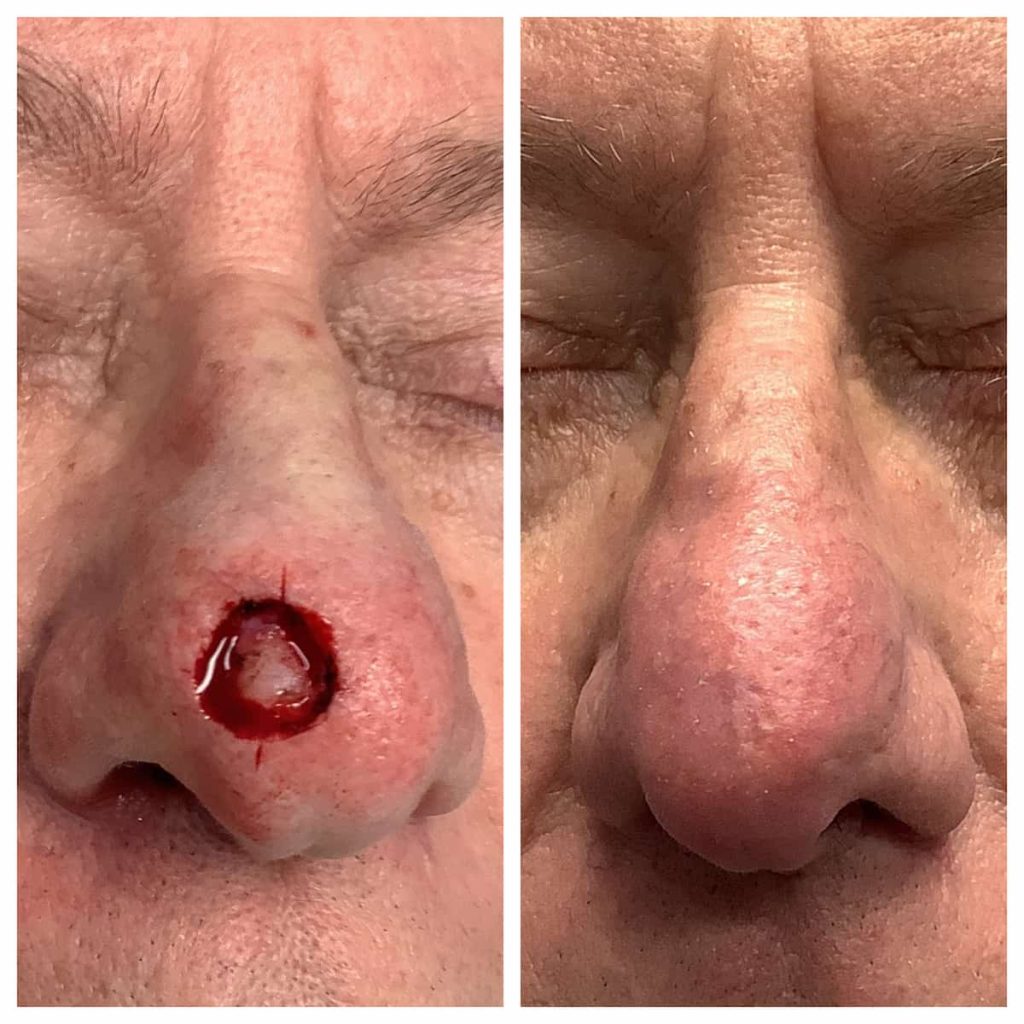
It focuses on restoring both function and natural appearance following skin cancer treatment, trauma, congenital differences, or other medical conditions affecting the face.
What Is Facial Reconstructive Surgery?
Facial reconstructive surgery involves repairing or rebuilding areas of the face to:
- Restore normal structure and function
- Promote optimal healing after skin cancer removal (including Mohs surgery)
- Minimize visible scarring when possible
- Preserve facial symmetry and expression
Reconstruction may be performed immediately after a procedure, such as Mohs surgery, or at a later date, depending on the situation.
When Is Facial Reconstructive Surgery Needed?
Facial reconstruction may be recommended after:
- Skin cancer removal (basal cell carcinoma, squamous cell carcinoma, melanoma in select cases)
- Trauma or injury to the face
- Removal of benign but complex lesions
- Functional impairment (such as eyelid or nasal involvement)
Principles of Facial Reconstruction
Every reconstructive plan is guided by key principles:
- Preserving function first (eyes, nose, mouth)
- Respecting natural facial landmarks
- Using surrounding tissue when appropriate for the best color and texture match
- Minimizing tension to support proper healing
- Planning scars to align with natural facial lines when possible
Areas of Facial Reconstructive Surgery We Perform
Ear Reconstruction
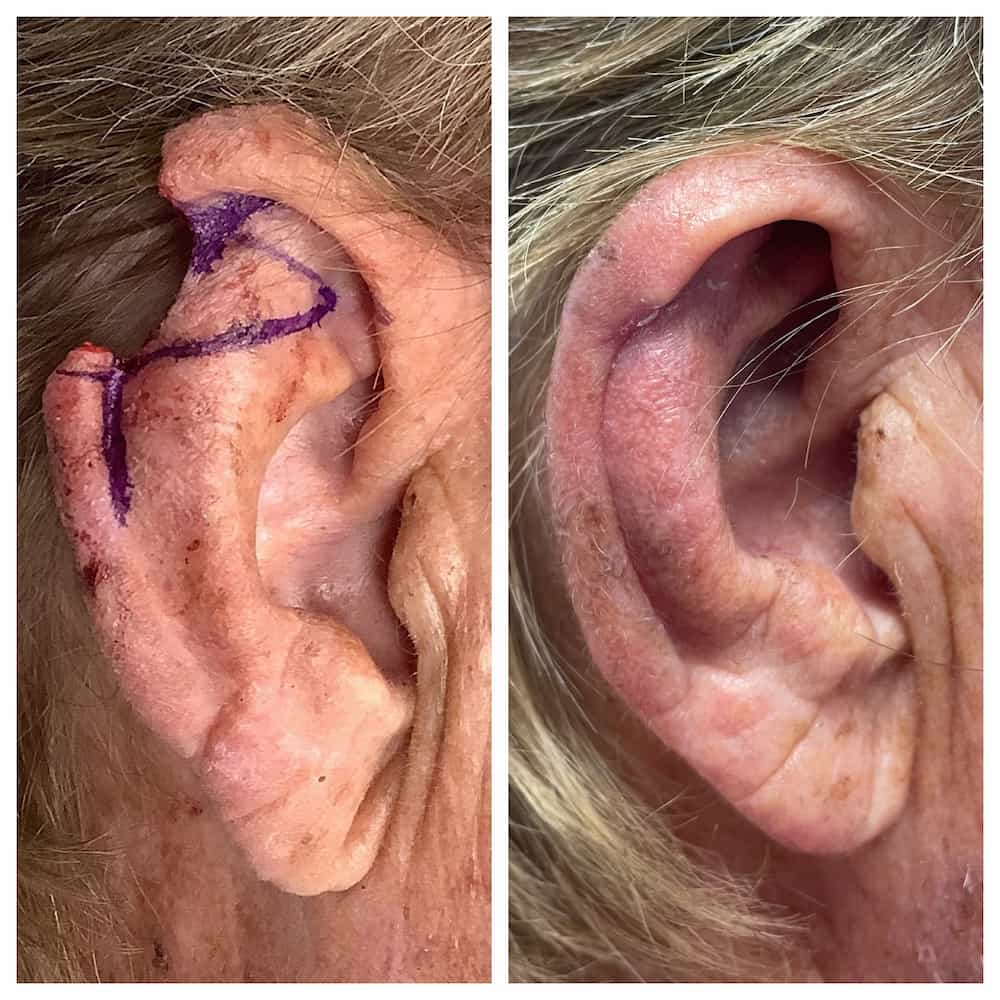
Reconstruction of the ear may be needed after skin cancer removal or trauma. Because the ear has limited excess tissue and a complex shape, reconstruction often requires precise techniques to maintain contour and support.
Goals may include:
- Preserving ear shape
- Protecting the ear canal
- Supporting proper healing
Eyelid Reconstruction
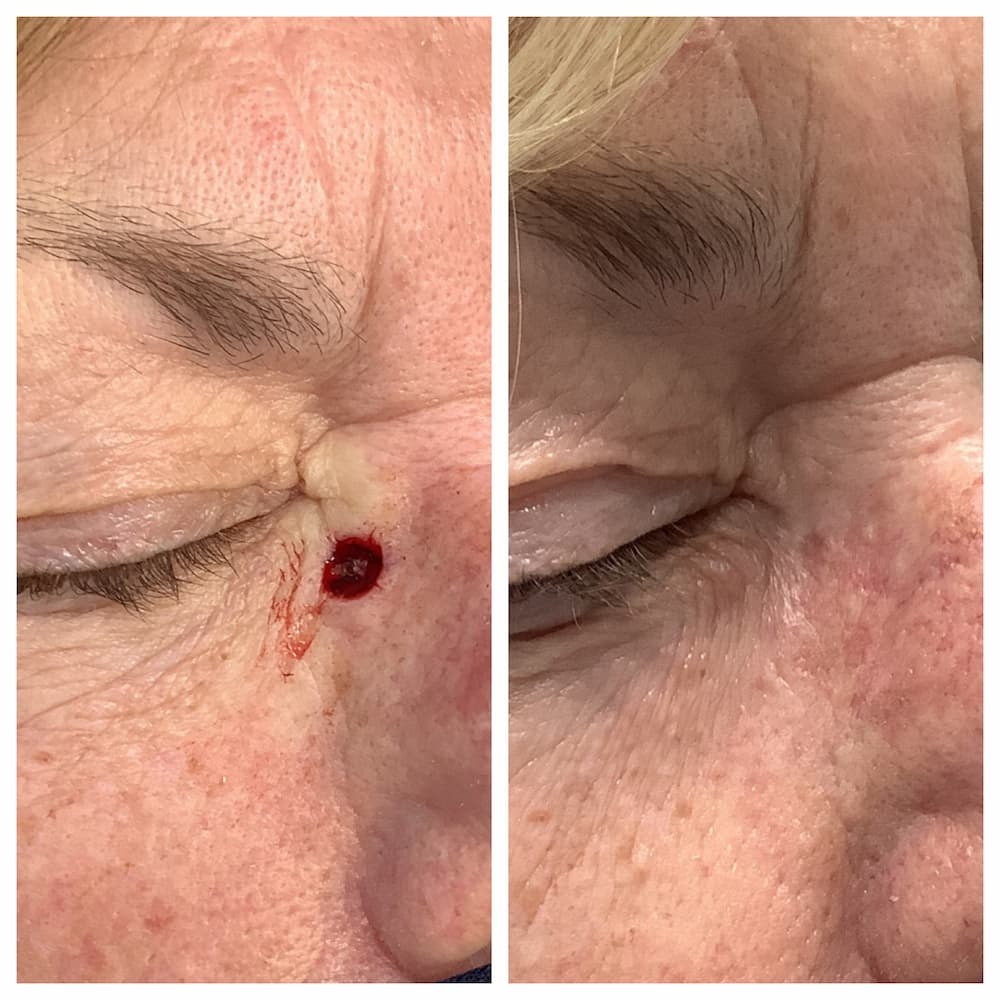
The eyelids play a critical role in eye protection, tear distribution, and vision. Reconstruction in this area requires careful planning to avoid complications, including irritation or incomplete closure.
Eyelid reconstruction may address:
- Upper or lower eyelid defects
- Lash line involvement
- Functional protection of the eye
Nose Reconstruction
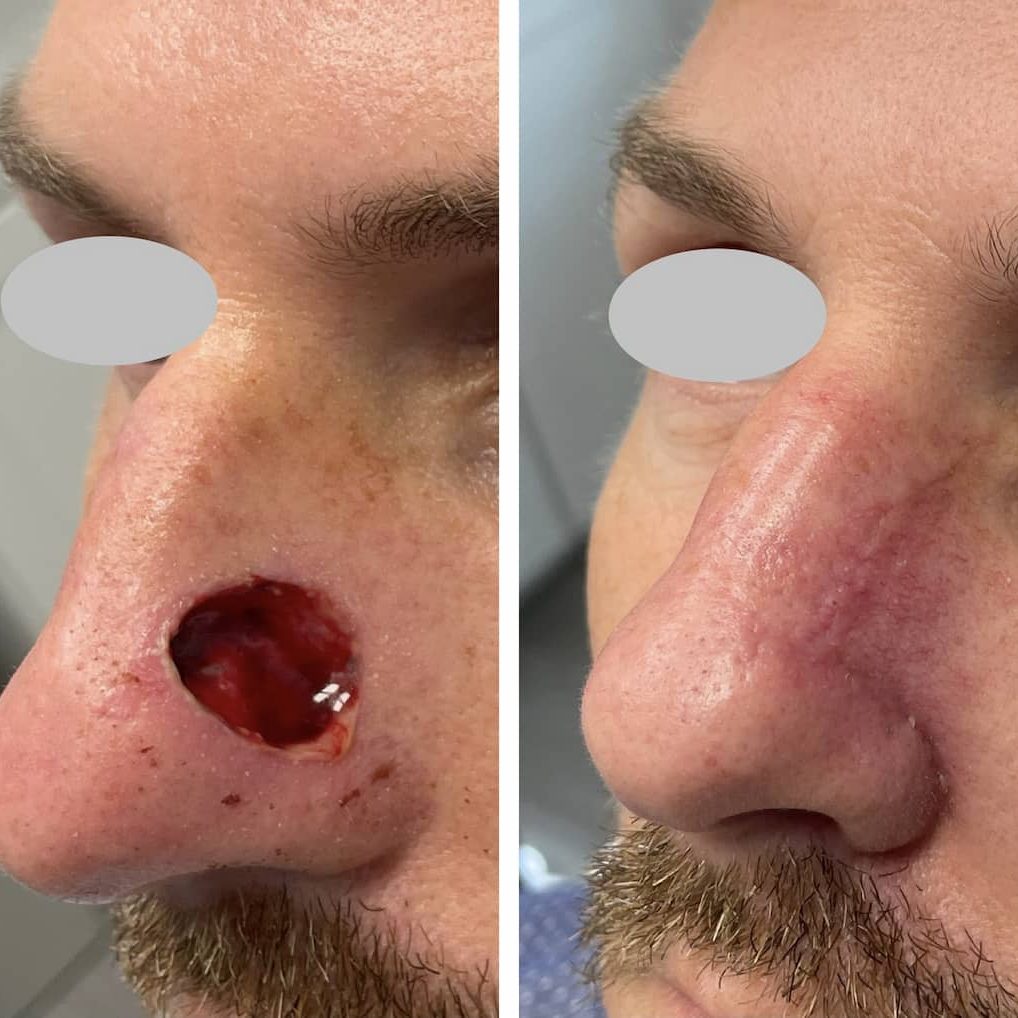
The nose is a common site for skin cancer and one of the most complex areas to reconstruct due to its structural and cosmetic importance.
Nasal reconstruction focuses on:
- Maintaining airflow and support
- Preserving natural contour and symmetry
- Using staged techniques when appropriate
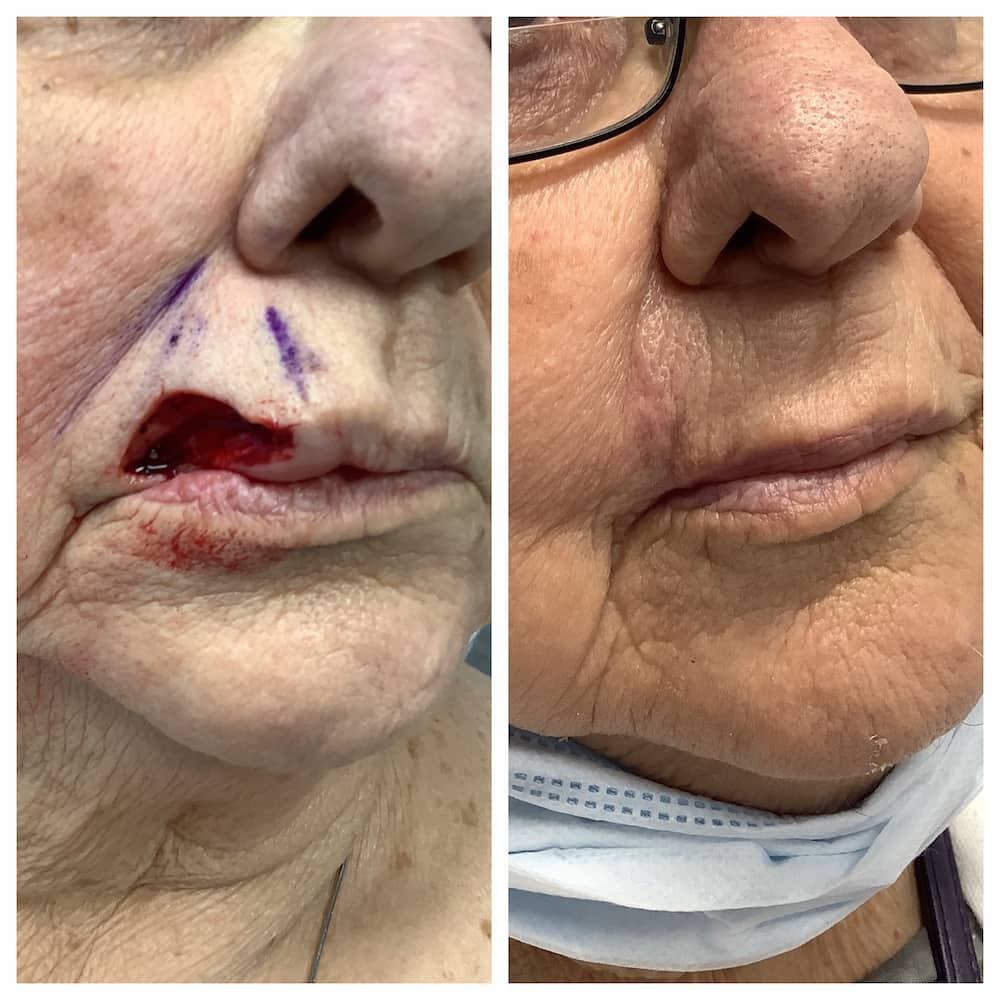
Lip Reconstruction
The lips are essential for speech, eating, and expression. Reconstruction requires attention to both appearance and movement.
Lip reconstruction may involve:
- Restoring oral competence
- Preserving sensation when possible
- Aligning the vermilion border (lip margin)
Temple Reconstruction
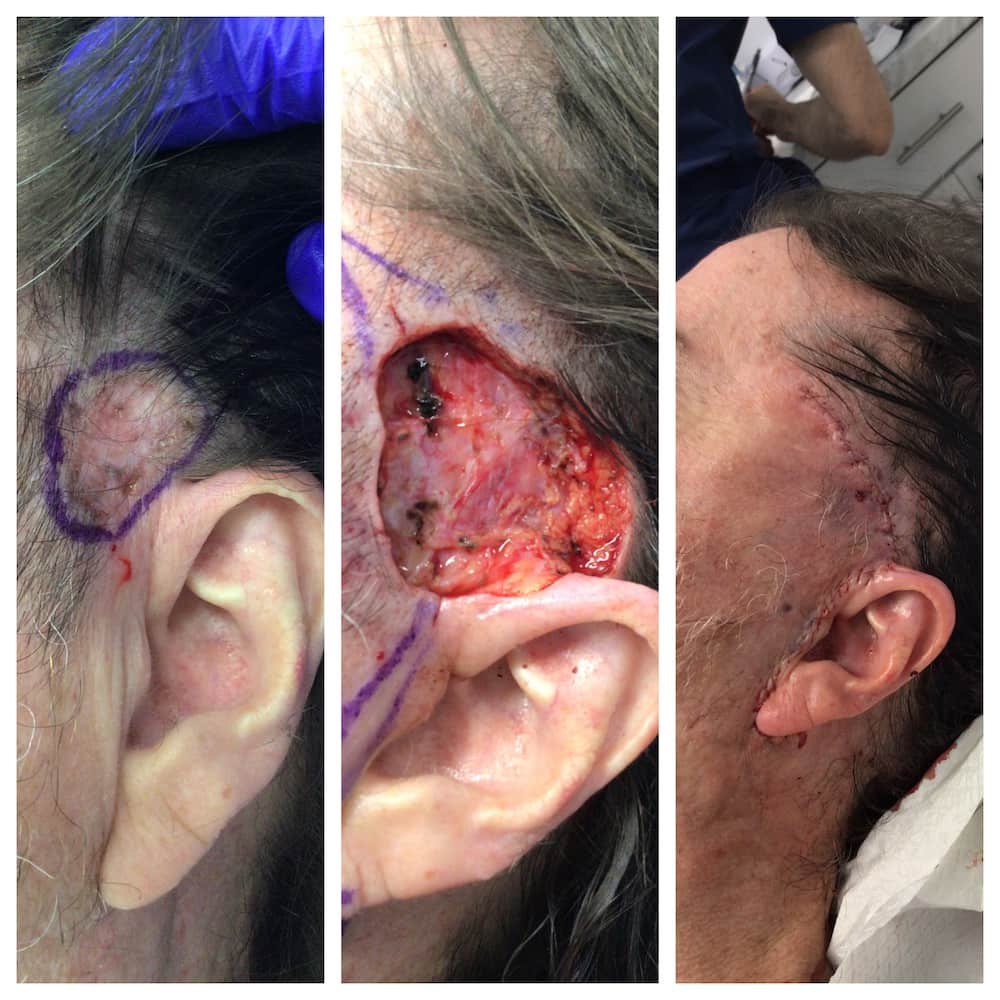
The temple region has thin skin and limited tissue flexibility. Reconstruction in this area focuses on smooth contour and minimizing visible scarring.
Chin Reconstruction
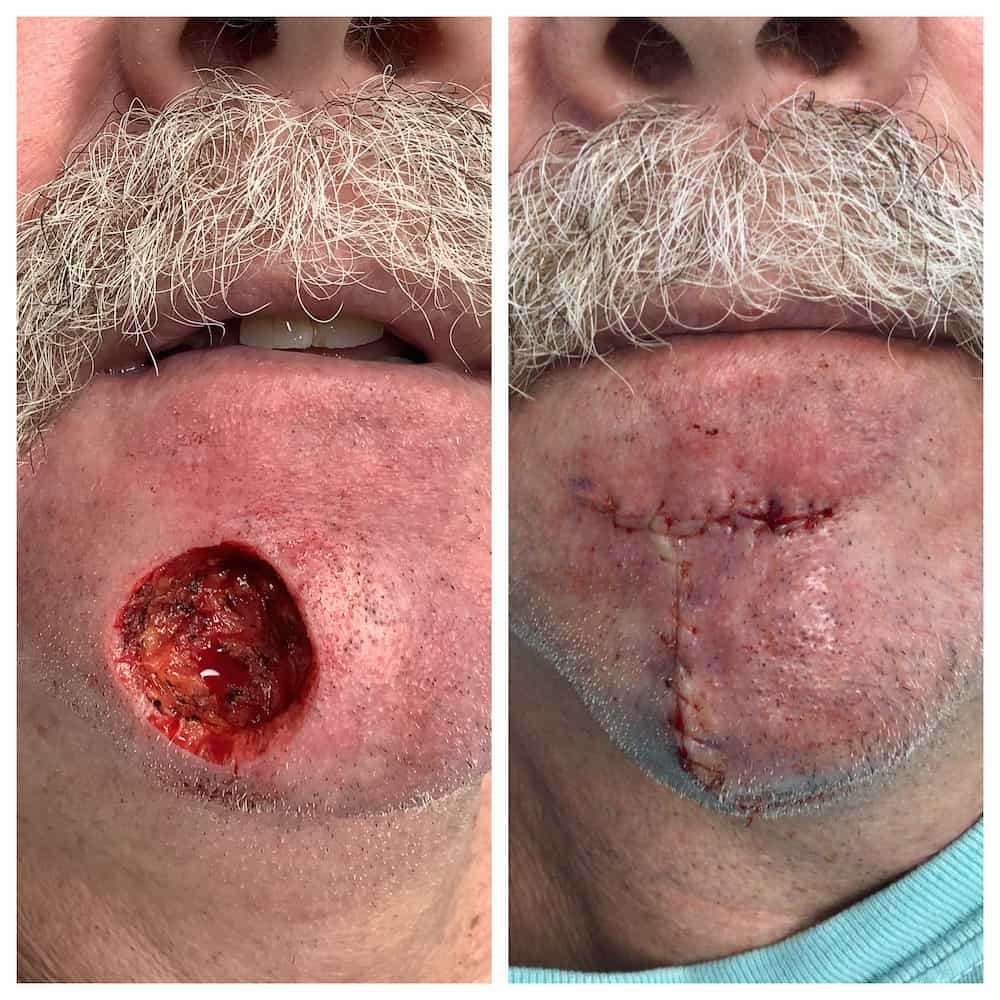
The chin plays a role in lower facial balance. Reconstruction aims to maintain natural contour while supporting proper wound healing.
Cheek Reconstruction
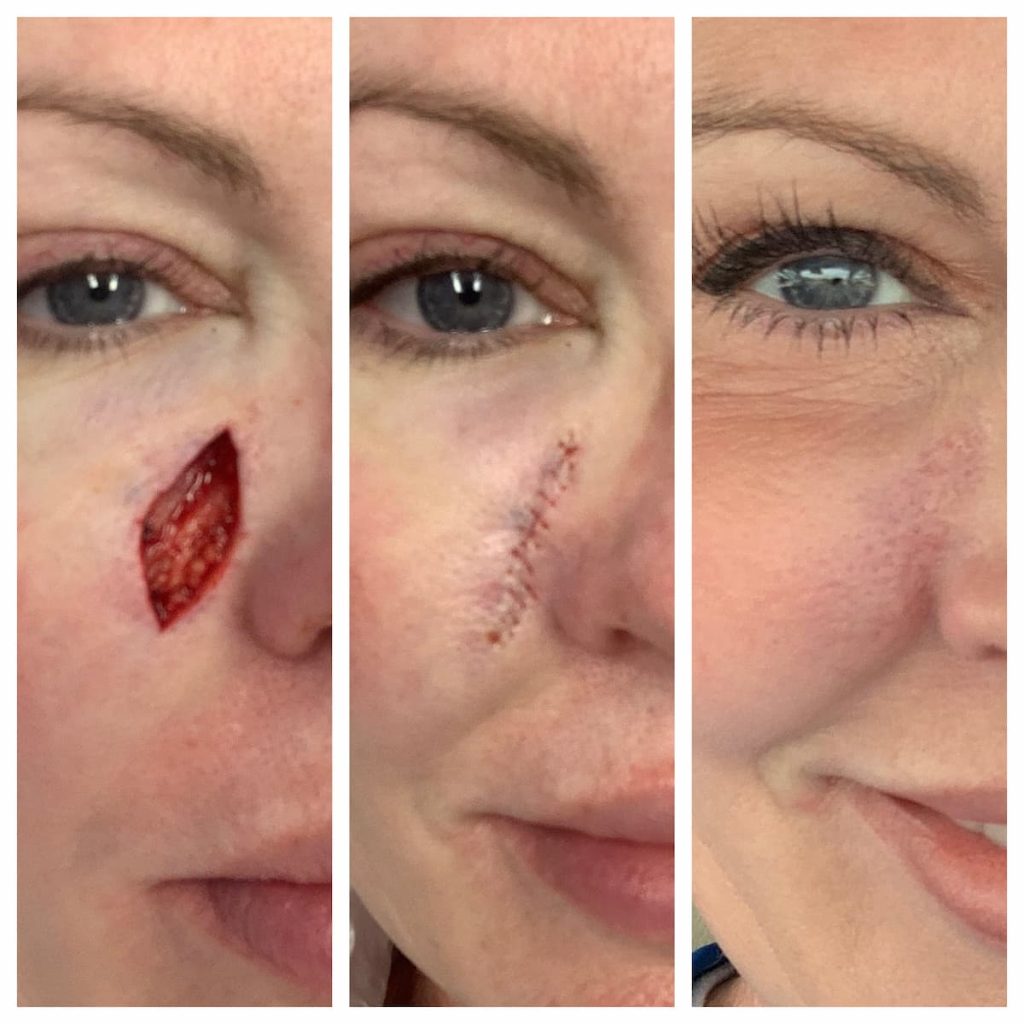
Cheek reconstruction often involves larger surface areas and must account for facial movement and symmetry.
Approaches may include:
- Local tissue rearrangement
- Flaps designed to blend with natural facial lines
Facial Reconstructive Surgery in Troy, Missouri
If you require facial reconstruction following skin cancer treatment or another medical condition, a consultation can help determine the safest and most appropriate plan. At St. Louis Dermatology & Cosmetic Surgery, facial reconstructive procedures are guided by advanced training, careful planning, and a commitment to patient-centered care.
Contact us today by calling (314) 834-1400 or by filling out our contact form.
GET IN TOUCH