Actinic Keratosis: A Warning Sign of Sun Damage

sun-damage

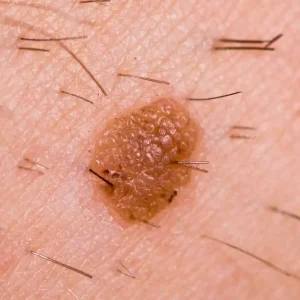
Actinic keratosis is a precancerous sign of sun damage. Learn symptoms, treatment options, and when to schedule a skin exam in Troy, MO. If you’ve noticed a rough, scaly patch on your skin that won’t go away, it could be more than just dry skin. Actinic keratosis (AK) is a common precancerous skin condition caused … Read more

Can Crepey Skin Be Prevented?

crepey-skin-treatment

Crepey skin is a common concern with aging, often described as thin, finely wrinkled skin resembling crepe paper. A common question patients ask is whether crepey skin can be prevented—or if it is simply an inevitable part of aging. The answer is nuanced. While crepey skin cannot always be fully prevented, there are evidence-based steps … Read more

What Is Actinic Keratosis and When Should It Be Treated?

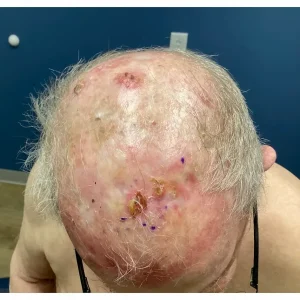
Actinic Keratosis Before and After

Actinic keratosis is a common sun-related skin condition. Learn when treatment is indicated and why monitoring is important. Actinic keratosis is a common skin condition caused by long-term sun exposure. It often appears as rough, scaly patches on sun-exposed areas of skin, such as the face, scalp, ears, hands, and forearms. While actinic keratosis is … Read more

What Is an Intense Pulsed Light (IPL) Treatment?

intense-pulsed-light-treatment

Learn what Intense Pulsed Light (IPL) treatment is, how it works, what it treats, and who may benefit from IPL skin therapy. Intense Pulsed Light (IPL) treatment is a non-surgical, in-office dermatologic procedure used to improve a variety of common skin concerns caused by sun exposure, aging, and uneven pigmentation. IPL is often recommended for … Read more

Are Sun Spots Permanent? Understanding Pigmentation Damage

sun-spots

Sun spots are not necessarily permanent, but they do indicate lasting sun damage that should be addressed both cosmetically and medically. Many people notice brown or tan spots appearing on their skin — often on the face, hands, shoulders, or chest — after years of sun exposure. These spots, commonly called sun spots or age … Read more